Plumbing business management software is revolutionizing how modern plumbing companies operate, moving beyond traditional methods to embrace efficiency and growth. This comprehensive exploration delves into the essential functionalities, customer relationship impacts, financial management capabilities, mobile accessibility, and strategic data analytics that define these powerful solutions.
Understanding the foundational needs of a modern plumbing business in its daily operations is paramount. Core functionalities such as streamlined task management, reduced administrative burdens, and enhanced scheduling and dispatching are critical for boosting field technician productivity. Effective inventory management prevents stockouts and minimizes waste, while a hypothetical workflow demonstrates the seamless transition of customer requests from initial contact to job completion, all facilitated by robust software.
Understanding the foundational needs of a modern plumbing business in its daily operations.
The landscape of modern business operations, particularly within service-oriented industries like plumbing, has been profoundly reshaped by technology. For plumbing businesses to thrive and remain competitive, adopting robust management software is no longer a luxury but a fundamental necessity. This software acts as the central nervous system, orchestrating everything from initial customer contact to the final invoice, ensuring efficiency, accuracy, and client satisfaction.
It’s about moving beyond manual processes that are prone to errors and delays, and embracing a streamlined, integrated approach that empowers every aspect of the business.The core functionalities that any plumbing business management software must possess are designed to address the inherent complexities and demands of daily operations. At its heart, the software needs to provide a comprehensive customer relationship management (CRM) system.
This involves storing detailed client information, service history, contact preferences, and any specific notes about their properties. This allows for personalized service and quicker recall of past issues, fostering stronger customer loyalty. Beyond CRM, robust scheduling and dispatching capabilities are paramount. This feature needs to allow for easy creation, modification, and assignment of jobs to technicians, considering their availability, skills, and location.
Real-time updates and GPS tracking for field staff are crucial for efficient dispatching and to provide accurate ETAs to customers.Furthermore, the software must integrate seamlessly with invoicing and payment processing. This means generating professional invoices quickly after job completion, offering various payment options, and tracking payment statuses. A well-designed system will also incorporate essential financial management tools, such as expense tracking, payroll integration, and basic reporting to give owners a clear financial overview.
Mobile accessibility is non-negotiable; technicians need to access job details, update statuses, capture photos, and even collect payments directly from their mobile devices in the field. Finally, robust reporting and analytics features are vital for identifying trends, measuring performance, and making informed business decisions. This includes reports on job profitability, technician efficiency, customer acquisition costs, and inventory turnover.
Reducing Administrative Burdens
The administrative workload in a plumbing business can be substantial, often diverting valuable time and resources away from core service delivery and customer engagement. Plumbing business management software significantly alleviates this burden by automating many repetitive and time-consuming tasks. Imagine the hours saved by eliminating manual appointment booking, paper-based work orders, and the subsequent manual data entry into accounting systems.
With software, a customer’s initial call can be logged directly into the system, automatically creating a job record. This record can then be populated with all relevant details, including customer information, the nature of the problem, and any specific instructions.Dispatching, which traditionally involved phone calls and paper slips, becomes a digital process. Schedulers can view technician availability and job statuses at a glance, assigning new jobs with a few clicks.
Technicians receive job details directly on their mobile devices, eliminating the need for them to return to the office for paperwork. This not only saves travel time but also ensures they have all the necessary information, from customer history to equipment requirements, right at their fingertips. Invoicing is another area where significant administrative relief is found. Once a job is marked as complete in the field, the software can automatically generate a professional invoice, which can then be emailed to the customer or even processed for immediate payment.
This drastically reduces the time spent on billing and chasing payments, freeing up office staff to focus on more strategic tasks like marketing, customer service follow-ups, or supplier negotiations. Moreover, features like automated reminders for upcoming appointments or service checks reduce the need for manual follow-up calls, further streamlining administrative processes and enhancing customer experience.
Enhancing Field Technician Productivity through Scheduling and Dispatching
Effective scheduling and dispatching features within plumbing business management software are instrumental in maximizing the productivity of field technicians, transforming them from reactive problem-solvers into proactively managed assets. The core of this enhancement lies in intelligent job assignment. Instead of relying on gut feeling or who answers the phone first, software can utilize algorithms to assign jobs based on crucial factors such as technician proximity to the job site, specialized skills required for the task, and current workload.
This geographical optimization minimizes travel time between appointments, a significant drain on technician hours and company fuel costs. For instance, if a technician is completing a job in the north of the city, the system can prioritize assigning the next job to another technician already in that vicinity, rather than sending someone from across town.Real-time visibility into technician locations and job statuses is another critical component.
Dispatchers can monitor where their team is at any given moment, allowing them to make informed decisions about re-routing or addressing urgent call-outs without delay. This also empowers technicians, as they can update their status (e.g., en route, on-site, job complete) directly from their mobile devices, providing immediate feedback to the office and enabling accurate customer communication regarding arrival times.
This transparency reduces idle time and ensures technicians are continuously engaged with billable work. Furthermore, well-organized schedules prevent overbooking and underutilization. Technicians are provided with a clear, optimized daily or weekly schedule, allowing them to prepare for their tasks and manage their time effectively. This structured approach minimizes confusion, reduces the chances of missed appointments or double bookings, and ultimately allows technicians to complete more jobs within their working hours, directly contributing to increased revenue and operational efficiency.
Inventory Management for Preventing Stockouts and Minimizing Waste
Effective inventory management, integrated within plumbing business management software, is a critical component that directly impacts profitability and operational smoothness by preventing costly stockouts and minimizing wasteful practices. The software allows for a centralized, real-time view of all parts and materials. This means that at any given moment, a business owner or dispatcher can see exactly what is in stock, where it is located (whether in the warehouse, a van, or at a specific technician’s location), and its current value.
For descriptions on additional topics like best software for human resource management, please visit the available best software for human resource management.
This visibility is crucial for preventing stockouts. When a technician needs a specific part for a job, the system can immediately check availability. If the part is low or out of stock, the software can trigger an alert, prompting a reorder or suggesting an alternative if available. This proactive approach ensures that jobs are not delayed or cancelled due to missing components, a common and frustrating scenario in plumbing.Beyond preventing stockouts, intelligent inventory management also tackles waste.
The software can track parts based on their purchase date and usage, enabling businesses to implement a “first-in, first-out” (FIFO) system. This is particularly important for items with a shelf life or those that might become obsolete. By prioritizing the use of older stock, businesses reduce the risk of materials expiring or becoming unusable, thereby minimizing financial loss. Furthermore, by analyzing usage patterns and historical data, the software can help businesses forecast demand more accurately.
This means ordering parts in quantities that align with anticipated needs, rather than overstocking. Overstocking ties up capital that could be used elsewhere, increases storage costs, and heightens the risk of obsolescence and damage. For example, a business might notice through the software’s reports that a particular type of pipe fitting is used frequently in a specific season or for certain types of installations.
This data allows them to adjust their purchasing orders accordingly, ensuring they have enough of what they need without having excessive amounts of unused inventory. This data-driven approach to inventory management transforms it from a logistical challenge into a strategic advantage, directly contributing to improved cash flow and reduced operational expenses.
Hypothetical Workflow: From Customer Request to Job Completion
Consider a typical customer request scenario that showcases the seamless transition facilitated by plumbing management software. The process begins when a homeowner, Ms. Eleanor Vance, calls “Reliable Plumbing Services” with a leaky faucet.
1. Initial Contact & Job Creation
Ms. Vance speaks with a customer service representative (CSR) who uses the plumbing software. The CSR quickly accesses Ms. Vance’s existing customer profile, noting her address, contact details, and past service history. If she’s a new customer, a new profile is created instantly.
The CSR logs the issue – “leaky kitchen faucet” – and assigns a priority level. A new job record is automatically generated in the system, with a unique job ID.
2. Scheduling & Dispatching
The software presents the CSR with a real-time view of available technicians. Based on Ms. Vance’s location and the nature of the repair (standard faucet repair), the system suggests technicians within a reasonable travel radius who are available this afternoon. The CSR selects Mark, a technician who is currently finishing a job a few blocks away. Mark receives an instant notification on his mobile app about the new assignment, including Ms.
Vance’s address, contact number, and a brief description of the problem.
3. Field Operations & Real-time Updates
Mark travels to Ms. Vance’s home. Upon arrival, he updates his status to “On-site” via the app. He examines the faucet, diagnoses the issue (worn-out washer), and checks his van’s inventory via the app to confirm he has the correct replacement part. He adds the part to the job’s materials list within the app.
He then completes the repair.
4. Job Completion & Invoicing
Once the repair is finished, Mark marks the job as “Complete” in his app. The software automatically compiles the service details, labor time, and used parts into a draft invoice. Mark can then generate a professional invoice directly from his tablet, detailing the work performed and the cost. Ms. Vance can review and approve the invoice on the spot.
Enhance your insight with the methods and methods of hris small business.
5. Payment & Follow-up
Ms. Vance chooses to pay via credit card, which Mark processes securely through the integrated payment gateway on his device. The payment is instantly recorded in the system, and Ms. Vance receives an email confirmation and a digital copy of her paid invoice. The software automatically schedules a follow-up reminder for Reliable Plumbing Services to check in with Ms.
Vance in a week to ensure her satisfaction. This entire workflow, from the initial call to a satisfied customer and a closed, paid invoice, is managed within a few hours, demonstrating the power of integrated plumbing business management software in streamlining operations and enhancing customer experience.
Exploring the impact of integrated customer relationship management on plumbing service growth.

In today’s competitive landscape, plumbing businesses need more than just skilled technicians; they require a robust strategy for managing customer interactions. Integrated Customer Relationship Management (CRM) software is no longer a luxury but a fundamental necessity for plumbing businesses aiming for sustainable growth and a superior customer experience. By centralizing customer data and automating key processes, CRM empowers plumbing companies to build stronger relationships, personalize their services, and ultimately drive significant business expansion.
This approach moves beyond transactional service to foster long-term customer loyalty and advocacy.The strategic implementation of CRM within a plumbing business transforms how services are delivered and how customers perceive the brand. It shifts the focus from reactive problem-solving to proactive engagement and relationship building. This evolution is critical for differentiating a business in a crowded market and ensuring consistent, high-quality service delivery that resonates with client needs and expectations.
Customer History Enhancement for Personalized Service and Loyalty
Maintaining detailed customer histories within plumbing business management software is a cornerstone of delivering personalized service and fostering deep customer loyalty. This historical data acts as a rich repository of information, offering insights into a customer’s past interactions, service needs, property specifics, and even their communication preferences. When a customer calls, the technician or dispatcher can instantly access this comprehensive profile.
This allows for immediate recognition of the client, a quick understanding of their previous issues, and the context of their current situation. For instance, knowing a customer has a history of a specific type of pipe leak or has had a particular water heater installed and serviced previously enables the service professional to arrive prepared with the right tools, parts, and knowledge.
This preparedness not only saves time and reduces diagnostic guesswork but also demonstrates to the customer that their business is valued and remembered.Personalization extends beyond just technical preparedness. The CRM can flag preferences such as preferred contact methods (text, email, phone call), specific times for service appointments, or even if they have pets that require special handling during a visit.
This level of attention to detail makes the customer feel understood and cared for, moving beyond a purely transactional relationship to one built on trust and convenience. When a plumbing business consistently provides this tailored experience, customers are far more likely to return for future needs and recommend the service to others. Loyalty is cultivated through consistent, positive, and personalized interactions, where the customer feels like an individual with unique needs rather than just another job number.
This detailed history is the foundation upon which such personalized service is built, turning routine service calls into opportunities to strengthen the customer bond and drive repeat business, a key indicator of sustainable growth.
Advantages of Automated Communication for Customer Engagement
Automated communication features within plumbing business management software are transformative for enhancing customer engagement and ensuring a seamless service experience. These features take the burden of manual outreach off the shoulders of staff, freeing them to focus on core service delivery, while simultaneously keeping customers informed and engaged. Appointment reminders, for example, are crucial for reducing no-shows, which represent lost time and revenue for the business.
Automated SMS or email notifications sent a day or a few hours before a scheduled service can significantly decrease the rate of missed appointments. This not only benefits the business by optimizing technician schedules but also shows respect for the customer’s time and commitment.Beyond reminders, automated service follow-ups are instrumental in nurturing customer relationships post-service. A well-timed email or text message asking for feedback or confirming satisfaction with the completed work demonstrates a commitment to quality and customer care.
This proactive approach can catch potential issues early, before they escalate into complaints, and provides an opportunity to address any lingering concerns. Furthermore, automated communication can be used for proactive maintenance reminders, such as suggesting annual water heater inspections or drain cleaning services based on the customer’s service history and typical usage patterns. This not only generates recurring revenue but also positions the plumbing business as a helpful partner in maintaining their home’s infrastructure.
The consistent, timely, and relevant communication facilitated by automation builds trust, enhances the perception of professionalism, and keeps the business top-of-mind for future needs, directly contributing to customer retention and organic growth.
Specific Data Points for Understanding Customer Preferences and Service Trends
Plumbing business management software is capable of collecting and analyzing a wealth of specific data points that offer invaluable insights into customer preferences and service trends, thereby enabling more informed business decisions and targeted strategies. Key data points include the type of service requested, such as emergency repairs, routine maintenance, or installations. This allows businesses to identify which services are most in-demand and allocate resources accordingly.
The frequency of service requests from individual customers can highlight loyalty or indicate recurring issues that might require a more comprehensive solution. The type of equipment serviced or installed, such as specific brands of water heaters, toilets, or sump pumps, can reveal popular choices among the customer base and inform inventory management and supplier relationships.Geographic data, such as the location of service calls, can be analyzed to identify high-density service areas, optimize routing for technicians, and tailor marketing efforts to specific neighborhoods.
The time of day or day of the week when services are most frequently requested can influence staffing schedules and emergency response planning. Furthermore, data on the source of leads—whether from online searches, referrals, or advertising—is critical for understanding the effectiveness of marketing channels and optimizing marketing spend. The average service ticket value associated with different customer segments or service types provides insight into revenue drivers.
Analyzing customer feedback, including ratings and comments, offers qualitative data on customer satisfaction, pain points, and areas for improvement. By diligently collecting and interpreting these data points, plumbing businesses can gain a sophisticated understanding of their clientele, anticipate future needs, and proactively adapt their service offerings and operational strategies for enhanced efficiency and customer satisfaction.
Proactive Customer Service: Turning Complaints into Positive Experiences
A powerful narrative of proactive customer service, fueled by insights from plumbing business management software, can dramatically shift a potentially negative customer interaction into a positive one, solidifying loyalty and enhancing reputation. Imagine a scenario where a customer, Mrs. Gable, reports a recurring issue with her low water pressure, which had been addressed twice before by the company. Without a robust CRM, this might be seen as a persistent problem, leading to customer frustration and a potential complaint.
However, with integrated software, the service manager can access Mrs. Gable’s complete service history. The system flags that this is the third service call for low water pressure in six months.The software also reveals that the previous technicians noted the age of her main water line and recommended a future replacement, but this recommendation was not acted upon by Mrs.
Gable at the time. Armed with this information, the service manager doesn’t just dispatch another technician to perform the same diagnostic. Instead, they call Mrs. Gable proactively. The manager acknowledges the inconvenience she’s experienced and, referencing her history, explains that the software suggests the recurring issue is likely due to the aging main water line, a common problem for homes of her age.
They then offer a specialized diagnostic assessment of the water line, perhaps at a reduced rate or as part of a proactive service package, explaining that a full replacement would permanently resolve the issue and prevent future disruptions.This proactive approach, driven by data, demonstrates foresight and genuine concern. Mrs. Gable feels heard, understood, and that the company is taking ownership of the problem.
Instead of lodging a complaint, she appreciates the company’s initiative. The proposed solution, backed by historical data and a clear explanation, instills confidence. The company then proceeds with the water line replacement, turning a potential lost customer into a highly satisfied one who now trusts the business for its expertise and commitment to long-term solutions. This scenario illustrates how software insights empower businesses to anticipate needs, communicate effectively, and transform challenges into opportunities for demonstrating exceptional customer care, ultimately fostering advocacy and driving growth.
Role of Customer Feedback Mechanisms in Driving Service Improvements
Integrated customer feedback mechanisms within plumbing business management software play a pivotal role in driving continuous service improvements and ensuring that a business remains responsive to its clientele’s evolving needs and expectations. By systematically collecting feedback, plumbing companies gain direct access to the voice of the customer, offering unfiltered insights into what is working well and, more importantly, where improvements are needed.
This feedback can be gathered through various channels integrated into the software, such as post-service satisfaction surveys sent via email or SMS, rating prompts after a job is completed, or even dedicated feedback forms accessible through a customer portal. The crucial aspect is the ease with which this feedback can be submitted and then centrally stored and analyzed within the CRM.This collected data is not merely anecdotal; it becomes actionable intelligence.
For example, if multiple customers consistently rate a particular technician lower for punctuality, the management can identify this as a training opportunity or an issue with scheduling. Conversely, if a specific service or process receives overwhelmingly positive reviews, this can be highlighted as a strength to be maintained and potentially replicated. The software can aggregate feedback by technician, service type, or even geographic area, allowing for granular analysis.
This enables businesses to pinpoint specific areas of excellence to reinforce and specific areas of weakness to address proactively.Furthermore, the ability to track feedback trends over time provides a clear barometer of service quality. A decline in overall satisfaction scores, for instance, can serve as an early warning sign that requires immediate attention. Conversely, an upward trend indicates that implemented changes are having a positive impact.
This iterative process of collecting feedback, analyzing it, implementing changes, and then measuring the impact of those changes is the engine of continuous improvement. By making customer feedback a core component of their operational strategy, plumbing businesses demonstrate a commitment to customer satisfaction, adapt more effectively to market demands, and build a reputation for reliable, high-quality service, which is essential for long-term growth and competitiveness.
Evaluating the financial management capabilities of plumbing business management solutions.: Plumbing Business Management Software
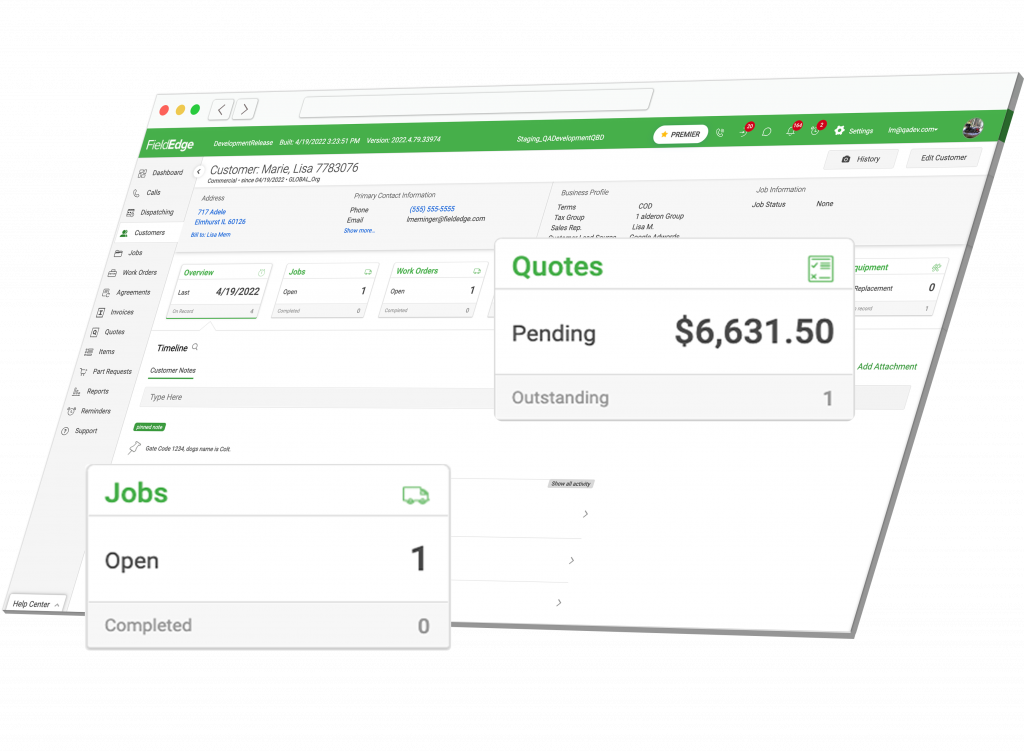
Effective financial management is the bedrock of any thriving business, and plumbing companies are no exception. Modern plumbing business management software offers robust tools designed to streamline financial operations, enhance accuracy, and ultimately boost profitability. Moving beyond traditional, often cumbersome, manual accounting methods, these solutions provide real-time insights and automated processes that are crucial for staying competitive in today’s fast-paced market.This section delves into the core financial management features that modern plumbing business management software provides, examining how they address the critical needs of plumbing companies in managing their finances efficiently and strategically.
Essential invoicing and payment processing features contributing to improved cash flow.
The lifeblood of any service-based business, including plumbing, is consistent and timely cash flow. Invoicing and payment processing are the primary touchpoints where this flow is generated, and sophisticated software solutions are indispensable for optimizing these processes. The ability to generate professional, accurate invoices rapidly after service completion is paramount. Features such as automated invoice generation based on completed job details, including labor, materials, and any agreed-upon markups, significantly reduce the time technicians spend on administrative tasks and minimize the risk of errors.
This speed ensures that clients receive their bills promptly, encouraging quicker payment.Furthermore, integrated payment processing options are a game-changer. Offering multiple convenient payment methods, such as credit card payments directly through the invoice, online payment portals, or even mobile payment options for technicians in the field, dramatically shortens the payment cycle. This convenience for the customer often translates into immediate payment, directly improving cash flow.
Automated payment reminders, both for outstanding invoices and upcoming due dates, are also critical. These gentle nudges can prevent late payments and reduce the administrative burden of chasing down overdue accounts. The ability to set up recurring invoices for maintenance contracts or regular service agreements further ensures a predictable revenue stream. Advanced software can also handle partial payments and payment plans, offering flexibility to clients while still facilitating revenue collection.
“Timely invoicing and diversified payment options are not just conveniences; they are strategic tools for accelerating cash conversion cycles and ensuring operational solvency.”
The impact of these features on cash flow is profound. Reduced time to invoice means money starts coming in sooner. Increased payment options mean fewer payment barriers for customers. Automated reminders and flexible payment structures mean fewer late payments and a more consistent inflow of funds. This improved cash flow provides the necessary capital for operational expenses, investment in new equipment, marketing initiatives, and employee salaries, all of which are vital for business growth and stability.
Without these integrated features, plumbing companies often face prolonged payment cycles, leading to cash flow gaps that can hinder their ability to operate effectively and seize growth opportunities.
Job costing functionalities enabling accurate pricing and profitability analysis.
Accurate job costing is fundamental to understanding the true profitability of every service performed by a plumbing company. Modern software solutions excel in this area by providing detailed breakdowns of costs associated with each individual job. This goes far beyond simply recording the final invoice amount. Job costing functionalities allow businesses to meticulously track and allocate all direct and indirect costs related to a specific project.
This includes labor hours spent by technicians, the exact cost of materials used (including any markups), equipment rental or usage fees, travel expenses, and even a portion of overhead costs like vehicle maintenance or insurance.By capturing this granular data for each job, plumbing companies can gain unparalleled insight into where their money is being spent and how much profit is actually being generated.
This detailed analysis enables more accurate pricing strategies. Instead of relying on guesswork or historical averages that may no longer reflect current costs, businesses can set prices that are directly informed by the real expenses incurred for similar services. This ensures that pricing is not only competitive but also profitable, covering all associated costs and contributing to the company’s bottom line.The profitability analysis aspect is equally critical.
Job costing software allows for the comparison of estimated costs against actual costs for each job. This variance analysis highlights areas where costs might be exceeding expectations, prompting an investigation into potential inefficiencies, material waste, or excessive labor hours. Conversely, it can also reveal areas where jobs came in under budget, offering opportunities to refine estimates for future work. Ultimately, this data empowers business owners to make informed decisions about service offerings, technician training, pricing adjustments, and operational improvements, all aimed at maximizing profitability across the board.
Benefits of real-time financial reporting versus traditional manual accounting methods.
The shift from traditional manual accounting methods to real-time financial reporting through plumbing business management software offers a transformative advantage. Manual accounting, often relying on spreadsheets, ledgers, and periodic reconciliations, is inherently time-consuming and prone to human error. Data entry is laborious, and generating reports can take days or even weeks, by which time the information is often outdated and less relevant for decision-making.
This lag means that business owners are frequently operating with a historical perspective, making it difficult to react swiftly to changing financial conditions or identify emerging issues.In stark contrast, real-time financial reporting provides an up-to-the-minute snapshot of a plumbing company’s financial health. As soon as a transaction is recorded – an invoice is sent, a payment is received, an expense is logged – the financial reports are updated automatically.
This immediate access to accurate data allows for proactive management. Business owners can monitor key performance indicators (KPIs) like cash flow, accounts receivable, outstanding invoices, and project profitability on a daily or even hourly basis. This allows for immediate identification of potential problems, such as a sudden drop in revenue or an unexpected surge in expenses, enabling swift corrective actions.The benefits extend to improved accuracy, enhanced efficiency, and better strategic planning.
Real-time data reduces the risk of errors that can plague manual systems, leading to more reliable financial statements. The automation of report generation frees up valuable time for business owners and administrative staff, allowing them to focus on higher-value activities. Furthermore, with instant access to comprehensive financial data, strategic decisions regarding pricing, resource allocation, and investment can be made with greater confidence and precision.
This agility and informed decision-making capability are crucial for sustained growth and competitiveness in the dynamic plumbing industry, a stark contrast to the reactive and often delayed insights provided by traditional methods.
Practical approaches for using software to track expenses, manage payroll, and prepare for tax season.
Leveraging plumbing business management software for expense tracking, payroll, and tax preparation significantly simplifies these often-complex tasks. For expense tracking, the process begins with consistent data entry. Encourage all team members, especially field technicians, to accurately record every expenditure, no matter how small. This can be facilitated through mobile apps that allow for immediate expense logging, including attaching digital receipts via photos.
Categorizing expenses accurately within the software – such as for materials, fuel, vehicle maintenance, tools, or insurance – is crucial. This granular categorization not only helps in monitoring spending patterns but also directly aids in tax preparation by providing clear breakdowns of deductible expenses.Managing payroll becomes far more streamlined. The software can integrate with time-tracking systems, ensuring that technician hours are accurately captured.
Based on employee pay rates, overtime rules, and any applicable deductions (like benefits or taxes), the software can automatically calculate net pay. Features for direct deposit or electronic check generation further simplify the disbursement process. Setting up tax withholdings correctly within the system, based on employee W-4 information, ensures compliance and accurate remittance to tax authorities. Regular payroll runs can be scheduled, and the software can generate detailed payroll reports for each pay period, which are invaluable for auditing and record-keeping.Preparing for tax season is where the consolidated financial data truly shines.
By maintaining meticulous expense records and accurate payroll data throughout the year, the software essentially pre-compiles much of the necessary information. Reports can be generated to show total deductible expenses by category, total wages paid, and taxes withheld. This makes it significantly easier to provide the required documentation to an accountant or to fill out tax forms directly. Many software solutions also offer features that can generate year-end summaries of income and expenses, providing a clear overview for tax filing.
Furthermore, the ability to track sales tax collected and remitted simplifies compliance with sales tax regulations.
“Consistent data input is the cornerstone of effective software utilization; garbage in, garbage out applies as much to financial management as it does to any other aspect of business.”
Practical approaches include establishing clear protocols for expense submission and approval, conducting regular audits of expense entries to ensure accuracy, and performing periodic payroll reviews to confirm that all calculations and deductions are correct. For tax preparation, designating a point person or working closely with an accountant who is familiar with the software can maximize its utility.
Sample report structure for a comprehensive overview of a plumbing business’s financial health.
A well-structured financial report generated by plumbing business management software provides a holistic view of a company’s performance and standing. The ideal report structure should offer clarity, conciseness, and actionable insights. It typically begins with an executive summary, offering a high-level overview of key financial metrics and trends. This is followed by detailed sections that break down specific areas of financial performance.The following is a sample report structure that software can generate to provide a comprehensive overview:
- Executive Summary:
- Key Financial Highlights (e.g., Net Profit, Revenue Growth, Cash Balance)
- Overall Financial Trend Analysis (e.g., positive, negative, stable)
- Brief commentary on significant variances or achievements.
- Income Statement (Profit and Loss):
- Revenue: Detailed breakdown by service type, location, or technician.
- Cost of Goods Sold (COGS): Direct costs associated with services, including materials and direct labor.
- Gross Profit: Revenue minus COGS, indicating profitability before operating expenses.
- Operating Expenses: Categorized breakdown of all other business expenses (e.g., marketing, administrative salaries, vehicle expenses, insurance, rent).
- Net Operating Income: Gross Profit minus Operating Expenses.
- Other Income/Expenses: Interest income, loan interest, etc.
- Net Income (Profit): The final profit after all expenses and income.
- Balance Sheet:
- Assets:
- Current Assets (e.g., Cash, Accounts Receivable, Inventory)
- Fixed Assets (e.g., Vehicles, Equipment, Property)
- Liabilities:
- Current Liabilities (e.g., Accounts Payable, Short-Term Loans)
- Long-Term Liabilities (e.g., Mortgages, Long-Term Loans)
- Equity: Owner’s Equity or Shareholder’s Equity.
- Assets:
- Cash Flow Statement:
- Cash Flow from Operating Activities (e.g., from sales, payments to suppliers)
- Cash Flow from Investing Activities (e.g., purchase or sale of assets)
- Cash Flow from Financing Activities (e.g., debt issuance or repayment, equity transactions)
- Net Change in Cash.
- Accounts Receivable Aging Report:
- Categorizes outstanding invoices by age (e.g., 0-30 days, 31-60 days, 61-90 days, 90+ days).
- Highlights potential collection issues and overdue payments.
- Job Costing Summary:
- Profitability analysis for individual jobs or service types.
- Comparison of estimated vs. actual costs and revenue per job.
- Expense Breakdown Report:
- Detailed listing and categorization of all business expenses over a specified period.
This structured approach ensures that all critical financial aspects are covered, from daily operational profitability to long-term asset management and liquidity.
Investigating the role of mobile accessibility and field service automation in plumbing operations.
The modern plumbing business thrives on efficiency and responsiveness, especially when it comes to the critical work performed in the field. Mobile accessibility and field service automation are no longer just conveniences; they are fundamental pillars supporting streamlined operations, enhanced customer satisfaction, and ultimately, business growth. This section delves into how these technological advancements are transforming the day-to-day realities for plumbing technicians and the businesses they represent.Mobile applications have revolutionized how plumbing technicians interact with job information and manage their tasks.
Gone are the days of relying solely on paper invoices and handwritten notes. Modern mobile software provides technicians with immediate access to a wealth of crucial data directly on their smartphones or tablets. This includes comprehensive job details, such as the service address, customer contact information, the nature of the plumbing issue, and any specific instructions or preferences noted by the client.
Furthermore, access to past service histories is invaluable. Technicians can quickly review previous work performed at a customer’s location, understand recurring problems, and identify potential related issues. This historical context allows for more informed diagnoses, proactive problem-solving, and a personalized service experience that builds customer trust and loyalty. The ability to reference diagrams, manuals, or even video tutorials directly from the job site further empowers technicians, enabling them to tackle complex tasks with greater confidence and accuracy.
This on-demand access to information minimizes the need for callbacks or trips back to the office, saving precious time and resources.The efficiency gains realized through digital work orders and the elimination of paper-based documentation in the field are substantial and multifaceted. Transitioning from paper to digital work orders dramatically reduces administrative overhead. Technicians can create, send, and manage work orders directly from their mobile devices, capturing all necessary details in real-time.
This eliminates the time-consuming process of manually filling out paper forms, which are prone to errors, smudges, and illegibility. Once a job is completed, the digital work order can be instantly transmitted to the office, allowing for immediate invoicing and payment processing. This acceleration of the billing cycle directly impacts cash flow and reduces the likelihood of lost or forgotten paperwork.
Moreover, digital records are far more organized and searchable than their paper counterparts. This not only simplifies record-keeping but also provides valuable data for analysis, such as identifying common service issues, tracking parts usage, and monitoring technician performance. The environmental benefit of reducing paper consumption is also a positive side effect.GPS tracking and route optimization features within plumbing business management software offer tangible improvements in technician efficiency and a significant reduction in travel time.
These intelligent systems leverage real-time location data to provide technicians with the most efficient routes to their scheduled jobs. By analyzing traffic conditions, job locations, and technician availability, the software can dynamically adjust routes, ensuring that technicians spend less time in transit and more time serving customers. This not only increases the number of jobs a technician can complete in a day but also reduces fuel consumption and vehicle wear and tear, leading to considerable cost savings for the business.
For instance, a technician scheduled for multiple appointments across a city can be guided along the most logical sequence of stops, avoiding congested areas and unnecessary detours. This proactive approach to scheduling and navigation minimizes wasted mileage and allows for more predictable arrival times, which in turn enhances customer satisfaction.The types of service reports that can be generated directly from mobile devices are comprehensive and designed to capture all necessary job data efficiently.
Do not overlook explore the latest data about hr system for small business.
These reports go far beyond simple completion notes. Technicians can input details about the specific problem diagnosed, the parts used, the labor time spent, and the resolution provided. They can also attach photos or videos of the work performed, offering visual proof of the service delivered and any issues encountered.
- Pre- and Post-Service Photos: Documenting the condition of the work area before and after the service.
- Parts Used: A detailed list of all components replaced or installed, including part numbers and quantities.
- Labor Time Tracking: Accurate logging of the time spent on each task, crucial for billing and performance analysis.
- Customer Signatures: Digital capture of customer approval for the work performed and associated costs.
- Diagnostic Findings: Detailed notes on the identified issues and the steps taken to diagnose them.
- Recommendations: Any suggested future maintenance or repairs for the customer.
A scenario showcasing how real-time updates from the field to the office, facilitated by mobile software, enhance overall operational awareness can be vividly illustrated. Imagine a busy Tuesday morning. A plumbing technician, Sarah, is dispatched to a residential client experiencing a burst pipe. Using her mobile app, she receives the job details, including the address and the customer’s emergency contact.
As she drives to the location, she can update her status to “En Route,” which is immediately reflected in the office’s dispatch dashboard. Upon arrival, Sarah accesses the customer’s service history and notes a previous water heater repair. She quickly diagnoses the burst pipe, which appears to be a consequence of an aging pipe system. She takes photos of the damaged area and sends them to the office along with a proposed solution, including the estimated cost for parts and labor.
The office manager, John, receives Sarah’s update and the attached photos instantly. He can then review the information, cross-reference it with the customer’s account, and approve the repair proposal within minutes, all without Sarah needing to call in. He can then update the job status to “In Progress” and notify the customer via automated text message that the technician is working on the repair.
If another urgent call comes in for a different technician, John has a clear, real-time overview of all ongoing jobs, technician locations, and current statuses, allowing him to make informed dispatching decisions and manage his team’s workload effectively. This seamless flow of information ensures that the office is always aware of what’s happening in the field, enabling faster decision-making, improved resource allocation, and a more agile response to customer needs.
Assessing the strategic advantages of data analytics and reporting for plumbing business expansion.
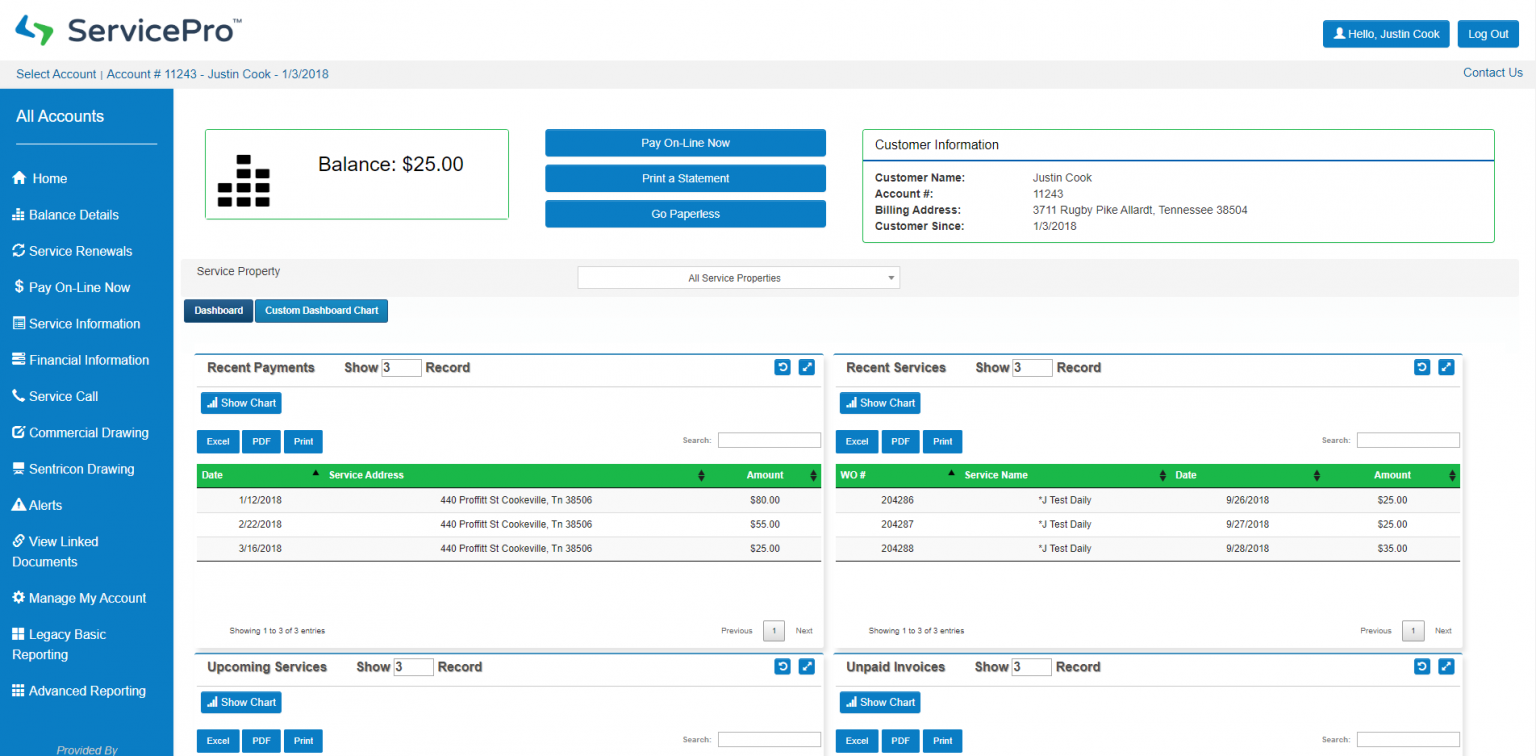
In today’s competitive landscape, plumbing businesses can unlock significant growth and efficiency by harnessing the power of data analytics and robust reporting. Modern plumbing business management software moves beyond simple scheduling and invoicing; it becomes a central hub for actionable intelligence. By systematically collecting and analyzing operational data, businesses can gain profound insights into their performance, identify hidden inefficiencies, and make informed strategic decisions that drive expansion and profitability.
This approach transforms raw operational data into a strategic asset, guiding every facet of the business from day-to-day operations to long-term planning.
Performance Metric Analysis for Operational Improvement
Analyzing performance metrics within plumbing business management software is crucial for pinpointing operational bottlenecks and identifying areas ripe for improvement. Software platforms can track a multitude of key performance indicators (KPIs) that, when examined closely, paint a clear picture of how the business is functioning. For instance, tracking the average time to complete a service call, broken down by technician, job type, or even geographical area, can reveal if certain technicians are consistently slower or if specific types of jobs are taking longer than anticipated.
This data might highlight a need for additional training for certain technicians, a review of the standard operating procedures for particular services, or even an issue with the dispatching system leading to longer travel times.Furthermore, analyzing metrics like first-time fix rates is invaluable. A low first-time fix rate across the board, or for specific technicians, suggests underlying issues that need addressing.
This could stem from inadequate diagnostic tools, insufficient parts inventory, or a lack of specialized training for complex repairs. The software can also track customer wait times for appointments. If these times are consistently increasing, it signals a capacity issue, either with the number of technicians available or their efficiency. Examining the number of repeat calls for the same issue is another critical metric.
High numbers here often point to a fundamental problem with the initial repair or the quality of parts used, leading to wasted resources and customer dissatisfaction.The software can also provide insights into equipment utilization. By tracking how often specific tools or vehicles are used, businesses can identify underutilized assets that might be costing money in maintenance and depreciation without providing adequate return.
Conversely, it can highlight overloaded resources, indicating a need for investment in more equipment or personnel. Analyzing customer feedback data, often integrated into the management software, can also reveal recurring complaints about specific services or technicians, providing direct feedback for improvement. Ultimately, by diligently reviewing these metrics, plumbing businesses can move from reactive problem-solving to proactive optimization, ensuring smoother operations, higher customer satisfaction, and a more efficient use of resources.
Informing Marketing Strategies with Historical Service Data, Plumbing business management software
Historical service data, meticulously captured and organized by plumbing business management software, offers a goldmine of information that can profoundly shape and refine marketing strategies. By understanding past customer interactions, service requests, and job histories, businesses can move beyond generic marketing efforts and adopt highly targeted campaigns. For example, analyzing which services are most frequently requested in specific neighborhoods can inform localized advertising efforts, ensuring marketing spend is directed where it’s most likely to yield results.
If data shows a high volume of water heater replacements in a particular zip code over the past five years, targeted mailers or online ads for water heater services in that area become a logical and effective strategy.This historical data is also instrumental in identifying opportunities for upselling and cross-selling. If a customer has repeatedly called for drain cleaning services, the software might reveal that they haven’t had a preventative maintenance check on their sewer lines in several years.
This presents a clear opportunity to proactively market a sewer line inspection or a preventative maintenance package. Similarly, if a customer recently had a significant plumbing repair, such as a pipe burst, the software can flag them for future marketing campaigns related to leak detection systems or water damage restoration services, anticipating potential future needs.Moreover, understanding the customer lifecycle, as tracked by the software, can inform retention strategies.
By identifying customers who haven’t used services for an extended period, targeted re-engagement campaigns can be launched, perhaps with special offers or reminders about preventative maintenance. The software can also help segment the customer base based on service history, value, or frequency of use, allowing for personalized marketing messages. For instance, high-value customers might receive exclusive offers or priority scheduling, fostering loyalty.
The insights derived from this data allow marketing efforts to be more relevant, timely, and ultimately, more successful in acquiring new customers and deepening relationships with existing ones.
Predictive Analytics for Demand Forecasting and Resource Management
The capabilities of modern plumbing business management software extend to sophisticated predictive analytics, offering invaluable foresight into future business needs. These tools leverage historical data, combined with external factors, to forecast demand, optimize resource allocation, and proactively address potential challenges. One key area is demand forecasting. By analyzing patterns in service requests based on seasonality, weather events, and even local demographic trends, the software can predict periods of high and low service demand.
For instance, it can forecast an increase in calls for emergency plumbing services during extreme weather events like heatwaves (leading to AC issues, which are often linked to plumbing) or cold snaps (causing frozen pipes). This allows businesses to adjust staffing levels, order necessary supplies in advance, and schedule preventative maintenance during anticipated lulls.Resource management is significantly enhanced through predictive analytics.
Knowing when demand is likely to spike allows for better technician scheduling. If the software predicts a surge in emergency calls for a specific week, the business can schedule more technicians on call or ensure existing technicians are equipped to handle a wider range of urgent issues. This also extends to inventory management. By forecasting the demand for specific parts based on historical repair data and predicted service needs, businesses can ensure they have adequate stock, minimizing delays caused by missing components and avoiding the costs associated with overstocking.Furthermore, predictive analytics can help anticipate equipment needs.
If the software identifies a trend of increasing complex repairs requiring specialized tools, it can alert management to the need for investment in new equipment before it becomes a critical bottleneck. This proactive approach to resource allocation ensures that the business is always prepared to meet customer needs efficiently. The software can also forecast potential technician burnout by analyzing work schedules and historical performance data, allowing for proactive adjustments to workloads and time off.
In essence, predictive analytics transforms a plumbing business from a reactive entity into a forward-thinking organization, capable of anticipating challenges and capitalizing on opportunities before they fully materialize.
Leveraging Software-Generated Reports for Strategic Decision-Making
Software-generated reports are indispensable tools for plumbing businesses aiming to make informed strategic decisions regarding service offerings, pricing, and geographical expansion. These reports transform raw operational data into digestible, actionable insights that guide business evolution. For instance, reports on service profitability can reveal which services are most financially rewarding and which are perhaps less so, or even operating at a loss.
This data can inform decisions about whether to expand offerings in high-profit areas, re-evaluate pricing for underperforming services, or even discontinue services that are consistently unprofitable.When considering pricing adjustments, reports that analyze labor costs, material expenses, and average revenue per service are critical. By comparing these figures against industry benchmarks or competitor pricing (if available through market analysis integrated with the software), businesses can set competitive yet profitable rates.
For example, a report might show that the average profit margin on emergency repairs is significantly higher than routine maintenance. This insight could lead to a strategic decision to focus more marketing efforts on emergency services or to adjust the pricing structure for maintenance plans to improve their profitability.Geographical expansion decisions can also be heavily influenced by data analytics. Reports can detail service call volume, customer density, and revenue generated by specific service areas or zip codes.
If a particular region shows a high demand for plumbing services but is underserved by the company, it presents a clear opportunity for expansion. Conversely, if a current service area is showing declining demand or a high level of competition, it might prompt a strategic decision to reallocate resources or focus efforts elsewhere.Moreover, reports on customer acquisition cost versus customer lifetime value can inform marketing budgets and strategies.
If the cost to acquire a new customer in a certain area is high, but their lifetime value is also substantial, it might justify the investment. However, if acquisition costs are high and lifetime value is low, it signals a need to rethink marketing channels or target demographics. Ultimately, by consistently reviewing and acting upon the insights provided by these reports, plumbing businesses can navigate the complexities of growth with greater confidence and strategic clarity.
Enhancing Technician Training and Skill Development with Data-Driven Insights
Data-driven insights derived from plumbing business management software are instrumental in elevating technician training and skill development programs. By moving beyond anecdotal observations, businesses can leverage objective performance data to identify specific training needs and tailor development initiatives for maximum impact. For example, performance reports that track first-time fix rates, job completion times, and customer satisfaction scores for individual technicians can pinpoint areas where specific individuals or the team as a whole might require additional training.
If a particular technician consistently struggles with diagnosing complex electrical issues within HVAC-integrated plumbing systems, the software data can highlight this as a priority for advanced training.Analyzing reports on the types of services most frequently requested and performed can also inform training curriculum development. If the software indicates a growing demand for smart home plumbing installations or advanced water filtration systems, training programs can be proactively updated to equip technicians with the necessary skills for these emerging services.
This ensures the workforce remains relevant and competitive. Furthermore, data on the number of callbacks or repeat service calls for specific issues can reveal gaps in initial training or understanding. By addressing these recurring problems through targeted training modules, businesses can reduce wasted labor and improve customer trust.The software can also track the successful adoption of new techniques or technologies.
After implementing a new diagnostic tool or repair methodology, performance metrics can be monitored to assess how effectively technicians are utilizing it and whether it’s leading to improved efficiency or reduced error rates. This feedback loop allows for immediate adjustments to training or the provision of additional support if needed. Moreover, by analyzing the performance of technicians who have undergone specific training programs, businesses can evaluate the effectiveness of those programs and refine them for future iterations.
This data-driven approach to training ensures that resources are allocated efficiently, that development efforts are focused on areas of greatest need, and that the overall skill level and performance of the technician team are continuously enhanced, directly contributing to the business’s operational excellence and expansion.
Closure
In conclusion, plumbing business management software is not merely a tool but a transformative asset for plumbing companies. By integrating core operations, enhancing customer relationships, optimizing financial management, leveraging mobile accessibility, and harnessing the power of data analytics, these solutions empower businesses to operate more efficiently, serve customers better, and achieve sustainable growth in a competitive market.
Query Resolution
What is the average cost of plumbing business management software?
The cost varies widely based on features, user count, and vendor, but can range from $50 to $500+ per month for subscription-based models. Some may offer one-time purchase options.
Can plumbing business management software integrate with accounting software like QuickBooks?
Yes, many modern plumbing business management software solutions offer seamless integrations with popular accounting platforms, simplifying financial tracking and reporting.
How does plumbing business management software help with marketing?
It can help by segmenting customer lists for targeted campaigns, tracking marketing ROI, and providing insights into customer preferences that inform service offerings and promotions.
Is specialized training required to use plumbing business management software?
While some learning curve is expected, most user-friendly software comes with tutorials, documentation, and customer support to facilitate adoption. Many offer onboarding assistance.
Can this software handle multiple plumbing service locations?
Yes, most comprehensive solutions are designed to manage operations across multiple locations, allowing for centralized oversight and localized management.