Pest control management software is revolutionizing how businesses approach pest eradication and prevention. This comprehensive system offers a robust framework for managing every facet of pest control operations, from initial client contact and scheduling to detailed reporting and inventory control. By leveraging advanced technology, these solutions empower pest control companies to operate more efficiently, enhance customer satisfaction, and achieve greater profitability.
This guide delves into the core principles, operational advantages, strategic implications, security considerations, and selection processes associated with implementing effective pest control management software. We will explore the essential functionalities, data tracking capabilities, technological underpinnings, and comparative analyses that highlight the significant benefits of adopting such sophisticated digital tools. Understanding these elements is crucial for any pest control business aiming to optimize its workflow and elevate its service offerings in today’s competitive market.
Uncover the foundational principles that guide the development and implementation of specialized software for managing pest control operations.
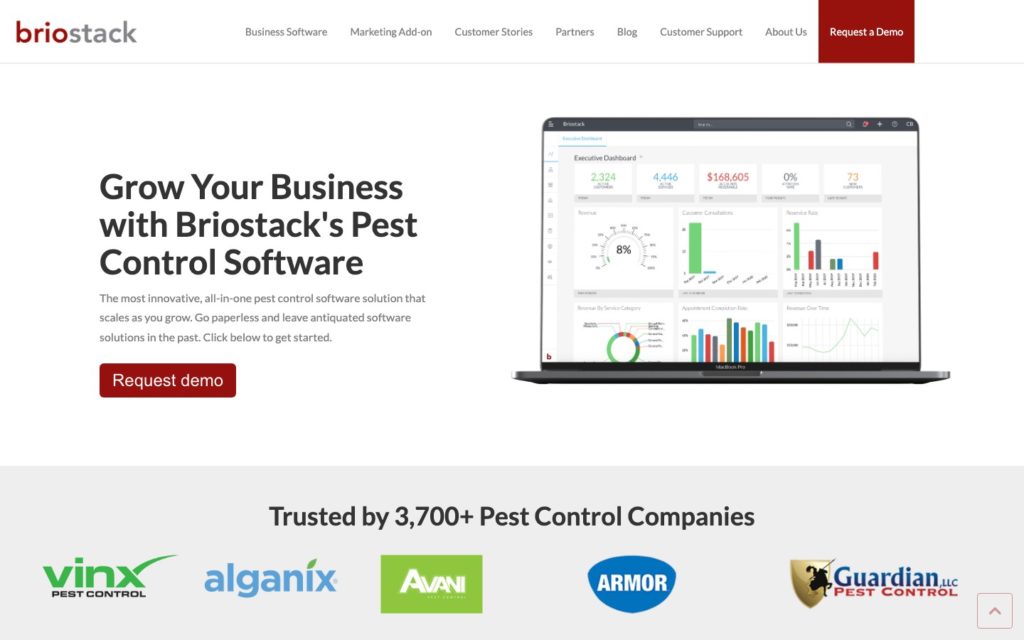
The development of specialized software for pest control management is not merely about digitizing existing processes; it’s about fundamentally enhancing efficiency, accuracy, and client satisfaction through intelligent design and robust functionality. The core principles guiding this endeavor are rooted in understanding the unique challenges faced by pest control businesses, from the field technician’s daily tasks to the administrative oversight required for compliance and profitability.
This software aims to bridge the gap between operational demands and strategic business goals, providing a centralized platform for all aspects of pest management. It prioritizes data integrity, streamlined workflows, and actionable insights to empower businesses to deliver superior service while optimizing resource allocation. The ultimate objective is to transform a traditionally labor-intensive and often reactive industry into a proactive, data-driven, and highly organized sector.The foundation of any effective pest control management software rests on a suite of core functionalities designed to address the multifaceted nature of the industry.
These functionalities are critical for both field operations and administrative tasks, ensuring a seamless flow of information and efficient execution of services. At its heart, the software must facilitate robust client and property management, allowing for detailed profiles that include contact information, property specifics, service history, and any special instructions. Scheduling and dispatch are paramount; the system needs to enable efficient assignment of technicians to jobs based on location, expertise, and availability, with features for real-time updates and route optimization.
Core Functionalities for Effective Pest Control Management Software
A comprehensive pest control management software is defined by its ability to streamline operations from initial contact to final reporting. The core functionalities must cover every stage of the service lifecycle.
- Client and Property Management: This includes creating detailed client profiles, storing contact information, billing details, and service agreements. For each property, it’s crucial to record address, type of property (residential, commercial, industrial), specific areas of concern, structural details, and any previous pest issues or treatments. This ensures technicians arrive with all necessary context.
- Scheduling and Dispatch: Efficiently assigning jobs to technicians is a cornerstone. The software should offer visual calendars, drag-and-drop scheduling, and the ability to assign recurring services. Real-time dispatching capabilities, including mobile access for technicians, allow for immediate job assignments and updates, minimizing downtime and travel.
- Service Ticketing and Work Order Management: Each service visit should generate a digital work order. This includes details about the pest issue, inspection findings, treatment methods used, products applied, safety precautions taken, and recommendations for the client. Digital signatures can be captured directly on the device for confirmation.
- Inventory and Chemical Management: Tracking the usage of pesticides and other treatment materials is vital for cost control, regulatory compliance, and safety. The software should monitor stock levels, record which chemicals are used for which job, and maintain expiration dates.
- Reporting and Analytics: Generating insightful reports is key for business growth and operational improvement. This includes reports on service frequency, technician performance, revenue by service type or client, inventory usage, and compliance data.
- Mobile Accessibility: Empowering field technicians with a mobile application is non-negotiable. This app should allow them to access client information, view schedules, update work orders in real-time, record findings, capture photos, and submit reports from the field, significantly reducing administrative burden back at the office.
- Invoicing and Billing: Seamless integration with invoicing processes ensures timely billing and improved cash flow. The system should be able to generate invoices based on completed work orders, apply service agreements, and track payment status.
- Compliance and Safety Documentation: Pest control is heavily regulated. The software must facilitate the recording and storage of safety data sheets (SDS), technician certifications, and ensure that treatments adhere to all relevant environmental and health regulations.
Essential Data Points for Comprehensive Record-Keeping
To ensure comprehensive record-keeping and deliver exceptional service, pest control management software must meticulously track a wide array of data points across clients, properties, and individual pest issues. This detailed information forms the backbone of informed decision-making, regulatory compliance, and personalized service delivery.For each client, the essential data includes:
- Contact Information: Full name, company name (if applicable), primary phone number, secondary phone numbers, email addresses, and billing address.
- Service Agreements: Details of the contracted services, including frequency, scope, specific pests covered, duration of the agreement, and renewal dates.
- Billing and Payment History: Invoices issued, amounts paid, outstanding balances, payment methods, and any special payment terms.
- Communication Log: Records of all interactions with the client, including phone calls, emails, and notes from in-person discussions, providing a complete communication trail.
- Referral Source: How the client originally found the business, useful for marketing analysis.
For each property associated with a client, the software needs to capture:
- Property Address: Including street, city, state, zip code, and any specific unit or suite numbers.
- Property Type: Categorization such as residential, commercial, industrial, retail, healthcare, hospitality, etc.
- Property Details: Square footage, number of rooms, building materials, and specific architectural features that might impact pest activity or treatment.
- Access Instructions: Gate codes, alarm codes, preferred entry points, and any specific instructions for accessing the property, especially if the client is not present.
- Site Map/Layout: Visual representations or detailed descriptions of areas within the property, such as basements, attics, crawl spaces, kitchens, storage areas, and exterior grounds, highlighting potential pest harborage sites.
- Service History for Property: A chronological record of all services performed at this specific location, including dates, technicians, and outcomes.
For each pest issue encountered, the following data points are critical:
- Pest Identification: Accurate identification of the pest(s) involved (e.g., German cockroaches, subterranean termites, common house mouse).
- Location of Infestation: Precise areas within the property where the pest activity was observed or reported (e.g., kitchen cabinets, attic eaves, foundation perimeter).
- Severity of Infestation: A qualitative or quantitative assessment of the extent of the pest problem.
- Date of Observation/Report: When the pest issue was first identified or reported by the client.
- Treatment Details: Specific methods used, including baits, sprays, traps, exclusion techniques, and any integrated pest management (IPM) strategies employed.
- Products Used: Brand name, active ingredient, concentration, and quantity of all pesticides or chemicals applied. This is crucial for safety and regulatory tracking.
- Application Method and Area: How and where the products were applied (e.g., crack and crevice treatment, broadcast spray, bait station placement).
- Technician Notes: Observations, recommendations for the client (e.g., sanitation improvements, structural repairs), and any challenges encountered.
- Follow-up Actions: Scheduled return visits or recommended next steps.
- Photos/Evidence: Visual documentation of pest activity, damage, or treatment application.
This granular data allows for trend analysis, personalized treatment plans, and demonstration of thoroughness to clients and regulatory bodies.
Conceptual Framework for Seamless Module Interaction
The effectiveness of pest control management software hinges on the synergistic interaction of its various modules. A well-designed conceptual framework ensures that data flows seamlessly, tasks are automated where possible, and users can access the information they need without redundant data entry. This interconnectedness optimizes workflow from the initial customer inquiry to the final financial reconciliation.The framework can be visualized as a central data hub supported by interconnected modules, each performing specialized functions but drawing from and contributing to the central repository.
- Customer Relationship Management (CRM) Module: This is often the entry point for new leads and existing client information. When a new inquiry comes in, it’s logged here. If it converts to a client, their information is passed to the Client and Property Management module. Communication logs within the CRM update the client’s overall history.
- Scheduling and Dispatch Module: This module interfaces directly with the Client and Property Management module to pull property details and service history. When a job is scheduled, it pulls available technician data from the Human Resources/Technician module. Once a job is assigned, it creates a work order in the Service Ticketing module and pushes it to the technician’s mobile device. It also communicates with the Inventory module to ensure necessary chemicals are available.
- Service Ticketing and Work Order Module: This module is the operational core for field activities. It receives job details from Scheduling, allows technicians to record findings, treatments, and product usage. Data entered here directly updates the Client and Property history, the Inventory module (for consumed items), and provides the basis for invoicing in the Billing module. It also logs critical data for the Reporting module.
- Inventory and Chemical Management Module: This module tracks stock levels of all pesticides, baits, traps, and application equipment. It receives data from the Service Ticketing module on products used and automatically updates inventory counts. It can trigger reorder alerts when stock is low and provides data for cost analysis in the Reporting module.
- Reporting and Analytics Module: This module acts as a dashboard and data analysis engine. It pulls data from all other modules – client history from CRM, service completion rates from Scheduling, treatment details from Service Ticketing, and inventory costs from Inventory. It generates performance reports, financial summaries, compliance audits, and trend analyses.
- Billing and Invoicing Module: This module receives completed work order data from the Service Ticketing module. It uses client and service agreement details from the CRM and Client Management modules to generate accurate invoices. It then tracks payment status and interfaces with accounting software if applicable.
- Mobile Application: This is the field technician’s primary interface. It synchronizes with Scheduling to display assigned jobs, pulls client and property data from CRM/Client Management, allows for real-time updates to work orders in the Service Ticketing module, and communicates inventory usage back to the Inventory module. It can also capture photos and signatures, which are stored centrally.
The seamless interaction means that when a technician completes a work order on their mobile device, marking specific chemicals as used, the Inventory module automatically deducts those items, the Client history is updated, and the Billing module is primed to generate an invoice. This eliminates manual data entry, reduces errors, and ensures that all stakeholders have access to the most current information.
Critical Technological Considerations in Software Creation
The successful development of pest control management software necessitates careful consideration of underlying technological aspects, from how data is stored and accessed to how users interact with the system. These choices directly impact the software’s performance, scalability, security, and overall user experience.Database structures are foundational. A relational database management system (RDBMS) like PostgreSQL or MySQL is typically ideal. These systems allow for structured storage of data, with clear relationships between tables (e.g., clients, properties, services, technicians).
Key considerations include:
- Normalization: Designing tables to minimize data redundancy and improve data integrity. For instance, client information should be in one table, property information in another, and linked via a client ID.
- Indexing: Implementing appropriate indexes on frequently queried columns (e.g., client name, property address, service date) to ensure fast data retrieval, which is critical for real-time operations and reporting.
- Scalability: Choosing a database that can handle a growing volume of data as the business expands, potentially involving partitioning or sharding strategies for very large datasets.
- Data Types: Using appropriate data types for fields (e.g., date/time for service records, decimal for chemical quantities, boolean for status flags) to ensure accuracy and efficient storage.
User interface (UI) and user experience (UX) design principles are paramount for adoption and efficiency. The software must be intuitive and easy to use, especially for field technicians who may have varying levels of technical proficiency.
- Simplicity and Clarity: Interfaces should be uncluttered, with clear labels and logical navigation. Critical information should be readily accessible.
- Mobile-First Design: Given the reliance on field technicians, the mobile application should be designed with a mobile-first approach, prioritizing essential functions and touch-friendly controls.
- Consistency: Maintaining a consistent design language across all modules and platforms (web and mobile) reduces the learning curve.
- Feedback Mechanisms: Providing clear visual or textual feedback for user actions (e.g., confirmation messages for saved data, error notifications) enhances usability.
- Accessibility: Considering accessibility standards to ensure the software can be used by individuals with disabilities.
Potential integration points with other business systems are vital for a holistic operational view.
- Accounting Software: Seamless integration with platforms like QuickBooks, Xero, or Sage can automate invoicing, expense tracking, and financial reporting, reducing manual data entry and potential errors. For example, completed work orders can automatically generate invoices in the accounting system.
- Mapping and GPS Services: Integration with services like Google Maps or Mapbox can provide real-time route optimization for technicians, accurate location tracking, and visual representation of service areas. This can lead to significant time and fuel savings.
- CRM Systems (if separate): If a business uses a dedicated CRM for sales and marketing, integration can ensure lead information flows smoothly into the pest control management system once a prospect becomes a client.
- Payment Gateways: Direct integration with payment processors (e.g., Stripe, PayPal) allows clients to pay invoices online, improving cash flow and customer convenience.
- SMS/Email Notification Services: Automated appointment reminders, service completion notifications, and marketing messages can be sent directly from the software, enhancing customer communication and engagement.
These technological considerations, when addressed thoughtfully, create a robust, user-friendly, and integrated software solution that drives efficiency and competitive advantage in the pest control industry.
Illuminate the diverse operational advantages gained by businesses that adopt sophisticated digital solutions for their pest management endeavors.

The landscape of pest control management is rapidly evolving, and businesses that embrace sophisticated digital solutions are poised to experience significant operational advantages. These advancements move beyond simple record-keeping, offering integrated platforms that streamline processes, enhance customer relations, and ultimately boost profitability. By digitizing core functions, pest management companies can unlock new levels of efficiency and effectiveness, setting themselves apart in a competitive market.Sophisticated digital solutions provide a comprehensive ecosystem for managing all facets of a pest control business.
From the initial scheduling of services to the final delivery of reports and invoices, every step can be optimized through technology. This holistic approach allows for better resource allocation, improved communication, and data-driven decision-making, all of which contribute to a more robust and resilient business model. The benefits are multifaceted, impacting everything from daily field operations to long-term strategic planning.
Comparative Analysis of Manual Versus Software-Assisted Scheduling
The transition from manual scheduling methods to software-assisted systems represents a monumental leap in operational efficiency for pest control businesses. Historically, scheduling relied on physical calendars, whiteboards, and a significant amount of human coordination, often leading to inefficiencies and errors. Manual scheduling is prone to oversights, such as double-booking technicians, assigning them to routes with excessive travel time, or failing to account for the specific requirements of each pest control job.
This can result in wasted time, increased fuel costs, and frustrated technicians and clients.Software-assisted scheduling, on the other hand, leverages intelligent algorithms and real-time data to optimize technician routes and assignments. These systems can factor in numerous variables simultaneously, including technician availability, skill sets, proximity to job sites, estimated job duration, and even traffic conditions. The efficiency gains are substantial; a technician’s day can be planned with routes that minimize travel time and maximize billable hours.
For instance, a software system might group appointments geographically, ensuring a technician covers a specific neighborhood efficiently, rather than crisscrossing town multiple times. This not only saves time but also reduces fuel consumption and vehicle wear and tear. Error reduction is another critical advantage. Automated systems virtually eliminate the possibility of double-bookings or missed appointments due to clerical errors. If a job is rescheduled, the software can instantly update the technician’s schedule and, if integrated, notify the client.
Furthermore, software can flag potential scheduling conflicts, such as a technician being assigned too many complex jobs in a single day, prompting a review and adjustment. This proactive approach prevents the cascade of problems that can arise from a poorly planned schedule. The ability to quickly reassign a technician in case of an emergency or unforeseen circumstance is also significantly enhanced with software, allowing for swift adjustments without the chaos often associated with manual rescheduling.
The overall impact is a more predictable, efficient, and less error-prone scheduling process, freeing up administrative staff to focus on more strategic tasks.
Automated Customer Communication Features for Enhanced Client Satisfaction and Reduced Administrative Overhead
The integration of automated customer communication features within pest management software revolutionizes how businesses interact with their clients, leading to significantly enhanced satisfaction and a notable reduction in administrative burden. In a service-based industry like pest control, clear, timely, and consistent communication is paramount for building trust and loyalty. Manual communication, often involving phone calls and individual emails, is time-consuming and susceptible to delays or omissions.
This can leave clients feeling uninformed or undervalued, potentially leading to dissatisfaction and churn.Automated systems can manage a wide range of communications seamlessly. This includes sending appointment confirmations immediately after booking, dispatch notifications when a technician is en route, and post-service follow-up messages to ensure satisfaction and gather feedback. For example, a client who has booked a quarterly termite inspection can automatically receive a reminder email a week before the scheduled service, followed by an SMS notification on the morning of the appointment stating the technician’s estimated arrival time.
This proactive approach not only manages client expectations but also reduces the number of “no-shows” and last-minute cancellations, which are costly for businesses. Beyond appointment-related communications, automated systems can also be used for proactive outreach, such as sending seasonal pest prevention tips or special offers to existing clients. This keeps the business top-of-mind and fosters ongoing relationships. The administrative overhead reduction is equally significant.
Instead of dedicating staff hours to making reminder calls or sending individual emails, the software handles these repetitive tasks automatically. This frees up administrative personnel to handle more complex customer inquiries, manage service issues, or focus on business development. Furthermore, automated communication systems can be personalized, using client data to tailor messages, making them more relevant and impactful. This personalization, combined with the promptness of automated delivery, creates a professional and customer-centric experience that directly contributes to higher client retention rates and positive word-of-mouth referrals.
Inventory Management Modules for Cost Savings and Prevention of Stockouts
Effective inventory management is a cornerstone of profitability for any pest control business, and specialized software modules offer a powerful solution for achieving cost savings and preventing critical stockouts. Without a systematic approach, managing the stock of pesticides, baits, traps, and application equipment can become a chaotic and expensive endeavor. Businesses might over-order materials, leading to spoilage or obsolescence, or under-order, resulting in delays in service delivery and dissatisfied customers.
The costs associated with inefficient inventory management can include wasted product, emergency rush orders, and lost revenue due to an inability to perform scheduled services.Inventory management modules within pest control software provide real-time visibility into stock levels across all locations or warehouses. This allows businesses to track the usage of each product, monitor expiration dates, and set reorder points based on historical consumption data and projected demand.
For instance, a module can be configured to automatically generate a purchase order when the stock of a particular insecticide drops below a predetermined threshold, ensuring that a new order is placed well in advance of a potential shortage. This prevents stockouts, which can have a domino effect, leading to missed appointments, customer complaints, and the need for expensive expedited shipping for emergency supplies.
The cost savings are realized in several ways. Firstly, by having accurate data on product usage, businesses can negotiate better bulk purchasing discounts with suppliers. Secondly, minimizing overstocking reduces the risk of product expiration and waste. Thirdly, preventing stockouts means avoiding the premium prices often associated with rush orders and maintaining a consistent service schedule, thereby protecting revenue streams. Moreover, these modules can help identify slow-moving or underutilized inventory, allowing management to make informed decisions about future purchasing or to implement strategies for clearing out excess stock.
By providing a clear, data-driven overview of inventory, these modules empower pest control businesses to operate more leanly, reduce waste, and ensure that technicians always have the necessary materials on hand to perform their jobs effectively and efficiently.
Generating Detailed Service Reports and Invoices for Billing Accuracy and Client Transparency
The process of generating detailed service reports and invoices is significantly streamlined and improved through the adoption of specialized pest control management software, leading to enhanced billing accuracy and unparalleled client transparency. Traditionally, creating these documents involved manual data entry, often from handwritten technician notes, which was a time-consuming and error-prone process. This could lead to discrepancies between the services performed and what was billed, causing disputes with clients and financial losses for the business.With software-driven reporting and invoicing, technicians can input service details directly into a mobile application in the field, often using predefined service checklists, capturing images of issues, and noting the exact products and quantities used.
This real-time data capture ensures that all relevant information is recorded accurately at the point of service. Once the technician submits their report, the software can automatically generate a comprehensive service report that details the pest issue, the treatment applied, the technician’s findings, and any recommendations. This report serves as a clear record of the work performed. Following the service report, the software can seamlessly generate an invoice, pulling all necessary information directly from the service report.
This eliminates manual data entry for billing purposes, drastically reducing the chances of errors in service descriptions, quantities, or pricing. The benefits for billing accuracy are immense; clients receive invoices that precisely reflect the services rendered, minimizing billing disputes and accelerating payment cycles. Client transparency is also greatly enhanced. Clients can receive digital copies of their service reports and invoices, providing them with a clear and detailed understanding of the work done and the charges incurred.
Many systems also offer client portals where customers can log in to view their service history, upcoming appointments, and outstanding invoices, fostering a sense of trust and professionalism. This level of transparency not only builds stronger client relationships but also positions the pest control business as organized, reliable, and efficient.
A Day in the Life of a Pest Control Technician Utilizing Software in the Field
The morning begins for Alex, a pest control technician, not with a stack of paper work orders, but with a glance at his tablet. The pest control management software has already synced his schedule for the day. The first job is a recurring residential service for termite monitoring at the Johnson residence. The software displays the client’s address, contact information, the service history, and specific notes from the last visit, including a minor concern about a small ant trail near the back patio.
Alex navigates to the location using the integrated GPS, which also provides real-time traffic updates to ensure he arrives on time. Upon arrival, he accesses the Johnson’s file on his tablet. He uses the pre-programmed checklist for termite monitoring, ticking off each inspection point, and notes the ant trail with a quick photo upload directly into the system. He then selects the ant bait he used from the digital inventory list, ensuring the system accurately deducts it from his truck’s stock.
Before leaving, he generates a brief service summary on his tablet for Mrs. Johnson to review and sign electronically, confirming the services rendered and the product used.The second appointment is a commercial property, a restaurant experiencing a rodent issue. The software flags this as a priority job. Alex arrives and uses the software’s detailed inspection module to map out potential entry points and evidence of rodent activity.
He documents his findings with photos and videos, attaching them to the service report. The software suggests specific baiting strategies based on the type and extent of the infestation, drawing from a knowledge base of best practices. He records the placement of each bait station and trap, including the product name and serial number for traceability. After completing the rodent treatment, he schedules a follow-up visit for the following week, which the software automatically adds to his calendar and sends a confirmation to the restaurant manager.
The final job of the day is a new residential client reporting a bed bug infestation. The software provides a comprehensive treatment plan template for bed bugs, which Alex customizes based on his assessment. He meticulously records the application of all treatments, including the precise locations and dosages, as per industry regulations and the software’s guidance. As the day winds down, Alex is not burdened with piles of paperwork.
He can review his day’s work, submit his reports, and check his schedule for tomorrow, all from his tablet. The software has not only guided his work but also ensured all data is captured accurately, ready for seamless invoicing and reporting back at the office. This integrated approach allows Alex to focus on what he does best – effective pest management – while the software handles the administrative complexities.
Exploring the Strategic Implications of Advanced Digital Tools in Pest Management
Sophisticated pest control management software is no longer just a tool for scheduling and invoicing; it’s a strategic asset that profoundly impacts customer relationships and opens doors to expanded service offerings. By embracing these digital solutions, pest management businesses can move beyond reactive problem-solving to proactive, client-centric service delivery, fostering deeper loyalty and driving revenue growth. This shift requires a comprehensive understanding of how these tools can be leveraged to personalize experiences, solidify recurring revenue streams, and inform forward-thinking service strategies.
Personalized Service Plans Tailored to Client Needs
Pest control software empowers technicians and managers to move away from one-size-fits-all approaches and embrace highly personalized service plans. This is achieved through the meticulous capture and organization of detailed client and property information. Upon initial assessment or during recurring visits, the software allows for the recording of specific pest pressures, environmental factors, structural characteristics of the property, and even client preferences.
For instance, a residential client with young children and pets might require treatment plans that prioritize non-toxic or low-toxicity solutions and scheduled treatments during times when children and pets are less likely to be present. Conversely, a commercial kitchen might necessitate stringent, scheduled treatments with detailed documentation of every application for health code compliance. The software acts as a central repository for this data, enabling technicians to access a client’s complete history, including past issues, successful treatments, and any unique sensitivities or requirements, directly from their mobile devices in the field.
Do not overlook the opportunity to discover more about the subject of fishbowl warehouse management.
This real-time access ensures that every interaction is informed and tailored. Furthermore, the ability to upload property schematics, photos of pest evidence, and even notes on potential harborage areas allows for a truly granular understanding of each client’s situation. This detailed digital footprint enables the creation of customized treatment protocols, specifying the exact products, application methods, and frequencies that are most effective and appropriate for that particular environment.
The outcome is not only more effective pest elimination but also a heightened sense of security and satisfaction for the client, who feels understood and well-cared for. This personalized approach directly contributes to improved pest management outcomes by addressing the root causes and specific vulnerabilities of each unique situation, rather than applying generic solutions.
Fostering Long-Term Client Loyalty through Recurring Service Agreements
The ability of pest control software to support the creation and management of recurring service agreements is fundamental to building enduring client loyalty and ensuring a stable revenue stream. These agreements, often structured as monthly, quarterly, or annual contracts, provide clients with peace of mind knowing their pest concerns are being proactively managed. The software streamlines the entire lifecycle of these agreements, from initial setup to ongoing management and renewal.
It allows businesses to define various service tiers, pricing structures, and service frequencies, which can be easily configured for individual clients. Once a recurring service agreement is established, the software automatically generates schedules for technicians, ensuring timely visits without manual intervention. This automation reduces the risk of missed appointments and ensures consistent service delivery, which is a cornerstone of client satisfaction.
Furthermore, the software can be configured to send automated reminders to clients about upcoming appointments, reinforcing the value of the service and maintaining engagement. Beyond scheduling, the software facilitates comprehensive documentation of each service visit. Technicians can record the services performed, areas treated, products used, and any observations made during the visit, all of which are linked to the client’s account and their recurring service agreement.
This detailed record-keeping provides transparency and accountability, assuring clients that their investment is yielding tangible results. When it comes time for renewal, the software can generate renewal proposals based on historical data and service performance, making the process efficient and informed. By consistently delivering scheduled, documented, and effective services, businesses build trust and demonstrate their commitment to the client’s long-term well-being, significantly reducing churn and fostering deep-seated loyalty.
Data Analytics for Identifying Emerging Pest Trends and Proactive Strategies
The analytical capabilities embedded within advanced pest control management software offer a powerful lens through which businesses can identify emerging pest trends and inform proactive service strategies for their clients. The software collects a vast amount of data from every service interaction, including the types of pests encountered, geographic locations, property types, time of year, and even weather patterns that might influence pest activity.
By aggregating and analyzing this data, businesses can begin to spot patterns and predict future pest outbreaks before they become widespread problems. For example, a software analysis might reveal a significant increase in ant sightings in a particular suburban neighborhood during the early spring months, correlating with unusually warm temperatures. Armed with this insight, a pest control company can proactively reach out to clients in that area with targeted preventative treatment offers or educational materials on ant prevention.
Similarly, data might indicate a rise in bed bug reports within a specific commercial sector, such as hotels or apartment complexes. This allows for the development of specialized service packages and targeted marketing campaigns aimed at businesses in that sector, offering early detection and eradication services. The software’s reporting tools can visualize these trends through charts and graphs, making complex data easily understandable for management.
This predictive capability shifts the pest control paradigm from reactive extermination to proactive management. By understanding the “when,” “where,” and “why” of pest activity, businesses can optimize their resource allocation, ensuring technicians are deployed to areas where they are most needed and that appropriate preventative measures are in place. This not only enhances the effectiveness of pest control but also positions the business as a knowledgeable and forward-thinking partner for its clients, safeguarding their properties and reputations.
Hypothetical Scenario: Upselling Additional Services Through Data Insights
Imagine “Apex Pest Solutions,” a mid-sized pest control company that has fully integrated a sophisticated management software into its operations. A property manager for a large multi-unit residential complex, “Oakwood Apartments,” is a long-standing client with a recurring general pest control agreement. Apex’s software, “PestPro Elite,” has been meticulously tracking Oakwood’s service history for five years. The data reveals a consistent pattern: while general pests are well-managed, there’s a recurring, albeit minor, issue with carpenter ants in specific units during the late summer months, always concentrated on the north-facing side of the buildings.
Furthermore, the software flags that Oakwood Apartments has not had a comprehensive rodent inspection in over two years, despite the software’s internal alerts recommending such checks based on industry best practices for properties of this size and age.Leveraging PestPro Elite’s analytical dashboards, Apex’s account manager, Sarah, notices these trends. She also sees that Oakwood Apartments has a high tenant satisfaction rating, indicating a proactive and responsive management team.
Sarah uses the software to generate a report detailing the historical carpenter ant activity, including the specific units and seasonal timing, and cross-references this with a property assessment note from a technician indicating potential entry points near wooden fascia on the north side. Concurrently, the software highlights the lack of recent rodent service and potential risks associated with prolonged neglect, such as structural damage and health hazards, even if no major infestations have been reported.Sarah then uses PestPro Elite to create a customized proposal.
The proposal first reiterates the success of their general pest control services, referencing positive feedback metrics. It then presents a targeted “Enhanced Carpenter Ant Prevention Program” specifically for the north-facing units, outlining the proactive treatment strategy and its benefits in preventing seasonal issues. Crucially, the proposal also introduces a “Comprehensive Rodent Exclusion and Monitoring Service,” detailing the importance of preventative measures, the software’s role in tracking any potential activity, and the long-term cost savings associated with avoiding major infestations.
The software allows Sarah to easily integrate photos of past ant evidence and diagrams of potential rodent entry points from previous technician reports into the proposal. By presenting these data-driven insights and tailored solutions, Apex Pest Solutions is not just selling services; they are demonstrating their deep understanding of Oakwood Apartments’ specific needs and offering proactive solutions that directly address identified risks and recurring minor issues, thereby creating clear opportunities for upselling.
Showcasing Treatment Effectiveness to Build Trust and Reinforce Value
The reporting capabilities of modern pest control management software are instrumental in demonstrating the tangible effectiveness of treatments to clients, thereby building profound trust and reinforcing the value proposition of the services provided. Clients invest in pest control not just for the immediate elimination of pests but for the assurance of a pest-free environment and the protection of their property and well-being.
Sophisticated software allows for the generation of comprehensive, professional, and easily understandable reports that go far beyond a simple invoice. These reports can be customized to include a wealth of information, such as:
- A clear summary of the pest issues identified during the service visit.
- Detailed descriptions of the treatment methods and products used, including safety information and application rates, ensuring transparency.
- Geographic mapping of treated areas within the property, particularly useful for larger commercial spaces or multi-unit residential buildings.
- Photographic evidence of pest activity before and after treatment, providing undeniable visual proof of success.
- Data on the reduction in pest sightings or activity levels, often captured through technician logs or even client feedback mechanisms integrated into the software.
- Recommendations for ongoing preventative measures that the client can implement, empowering them and fostering a collaborative approach.
- A clear overview of the services covered under any ongoing service agreements, reinforcing the commitment to continuous protection.
For example, a restaurant owner can receive a report detailing the precise areas treated for cockroaches, the specific baits and sprays used, and crucially, a log of reduced cockroach sightings reported by their staff over the subsequent weeks, directly correlated with the treatment dates. This visual and data-driven evidence is far more persuasive than a verbal assurance. Similarly, a homeowner dealing with a termite issue can be presented with reports showcasing the effectiveness of baiting systems, including diagrams of bait placement and evidence of termite activity reduction within the baits themselves.
This level of detailed reporting not only validates the investment made by the client but also educates them on the efficacy of the chosen pest control strategies. It transforms a service transaction into a partnership, where the client feels informed, secure, and confident in the ongoing protection provided by the pest control company. This consistent demonstration of value is a powerful driver of client retention and positive word-of-mouth referrals.
Examine the critical security and compliance considerations that are paramount when implementing and operating pest control management software solutions.
The effective and ethical operation of pest control management software hinges on a robust understanding and implementation of security and compliance protocols. In an industry that handles sensitive client data and operates under specific regulatory frameworks, neglecting these aspects can lead to severe legal repercussions, reputational damage, and a loss of client trust. Therefore, a proactive and comprehensive approach to security and compliance is not merely a best practice but an absolute necessity for any pest control business leveraging digital tools.
This section delves into the crucial elements that ensure the integrity, privacy, and lawful operation of such software.
Industry-Specific Regulations and Data Privacy Laws Across Geographies
Pest control management software operates within a complex web of regulations that vary significantly by region, all designed to protect consumer data and ensure fair business practices. In the United States, the Health Insurance Portability and Accountability Act (HIPAA) might seem unrelated at first glance, but if a pest control company services healthcare facilities, sensitive patient information indirectly linked to treatment areas could fall under its purview, requiring stringent data handling and security measures.
More broadly applicable are state-level data breach notification laws, such as California’s Consumer Privacy Act (CCPA) and its successor, the California Privacy Rights Act (CPRA), which grant consumers rights over their personal information and impose obligations on businesses regarding data collection, use, and protection. These laws mandate transparency about data practices, the right to opt-out of data sales, and require businesses to implement reasonable security measures.
Investigate the pros of accepting plumbing business management software in your business strategies.
In Europe, the General Data Protection Regulation (GDPR) sets a high bar for data privacy, applying to any business processing the personal data of EU residents, regardless of the business’s location. GDPR emphasizes principles like data minimization, purpose limitation, and the explicit consent of data subjects. For a pest control software, this means carefully managing client addresses, contact details, and any notes related to property conditions, ensuring they are only used for legitimate service purposes and are adequately protected.
Furthermore, many countries have specific regulations pertaining to the handling of chemical usage records and client treatment histories, which are often considered sensitive. For instance, in Australia, the Privacy Act 1988, along with state-specific health records legislation, would apply. Companies must ensure their software facilitates compliance with these diverse mandates, which often include requirements for secure data storage, clear consent mechanisms, and robust procedures for handling data subject access requests.
The constant evolution of these laws necessitates ongoing vigilance and adaptation of software functionalities to maintain compliance across all operational territories.
Security Protocols for Protecting Sensitive Client Information
The cornerstone of trustworthy pest control management software lies in its ability to safeguard the sensitive data it collects and processes. This includes a wide array of personal and property-specific information, such as client names, phone numbers, email addresses, precise property addresses, details about pest infestations, types of treatments applied, dates of service, and any associated payment information. To protect this data, robust security protocols are essential.
Encryption is a fundamental layer, both in transit and at rest. Data transmitted between the user’s device and the software’s servers should be secured using Transport Layer Security (TLS) protocols, ensuring that any intercepted information is unreadable. Similarly, sensitive data stored within the database should be encrypted using strong algorithms like AES-256, making it inaccessible even if the underlying storage is compromised.
Notice hris small business for recommendations and other broad suggestions.
Access control mechanisms are critical, ensuring that only authorized personnel can view or modify specific data. This involves implementing role-based access control (RBAC), where user permissions are assigned based on their job function and responsibilities. For example, a field technician might only need access to their assigned service tickets and client addresses, while a manager might require access to billing information and overall service history.
Multi-factor authentication (MFA) should be a standard requirement for all user logins, adding an extra layer of security beyond just a password, such as a code sent to a mobile device or a biometric scan. Regular security audits and vulnerability assessments are also vital. These proactive measures help identify and address potential weaknesses in the software and its infrastructure before they can be exploited by malicious actors.
The principle of least privilege should be applied across all user accounts and system processes, granting only the minimum necessary permissions for each entity to perform its function. Furthermore, secure coding practices must be embedded in the software development lifecycle to prevent common vulnerabilities like SQL injection or cross-site scripting (XSS).
Methods for Ensuring Data Integrity and Preventing Unauthorized Access or Modification
Maintaining the integrity of data within a pest control management system is as crucial as protecting its confidentiality. Data integrity ensures that information is accurate, complete, and has not been altered in an unauthorized or accidental manner. Several methods are employed to achieve this. Hashing algorithms, such as SHA-256, play a significant role. By generating a unique digital fingerprint for each data record, any modification, however small, will result in a different hash, immediately signaling that the data has been tampered with.
This is particularly important for treatment logs, service reports, and billing records. Access control, as mentioned previously, is also a key component of data integrity. By strictly defining who can access and modify data, the likelihood of unauthorized changes is significantly reduced. Role-based access control ensures that users only have permissions to perform actions relevant to their job. For instance, a receptionist might be able to update client contact information but not modify treatment outcomes.
Validation rules within the software are another critical layer. These rules enforce data consistency and accuracy at the point of entry. For example, a date field might only accept valid date formats, or a chemical dosage field might have a defined range to prevent illogical entries. Transaction logging, often part of database management systems, records every operation performed on the data, providing a clear audit trail of all changes.
This allows for the identification of when, by whom, and what changes were made. Digital signatures can also be employed for critical documents, such as final service reports, providing an undeniable attestation to the document’s authenticity and integrity. Regular integrity checks of the database, using checksums or other verification methods, should be performed to detect any corruption or unauthorized modifications that might have bypassed other security layers.
Procedures for Conducting Regular Data Backups and Disaster Recovery Planning, Pest control management software
The unpredictable nature of business operations and the potential for catastrophic events, such as hardware failures, cyberattacks, or natural disasters, necessitate robust data backup and disaster recovery (DR) planning. For pest control management software, losing client history, service records, or billing information can have devastating consequences. Regular data backups are the first line of defense. These backups should be performed frequently, with the frequency determined by the criticality of the data and the acceptable data loss tolerance (Recovery Point Objective – RPO).
For instance, daily backups might be sufficient for most operational data, while critical financial transactions might require more frequent backups, perhaps even near real-time replication. The 3-2-1 backup rule is a widely recommended strategy: at least three copies of the data, stored on two different types of media, with at least one copy stored off-site. Off-site backups are crucial for protecting against site-specific disasters like fires or floods.
Cloud-based backup solutions offer an accessible and often cost-effective way to achieve this off-site storage. Beyond simple backups, a comprehensive disaster recovery plan Artikels the steps to restore operations after a significant disruption. This plan should clearly define RTOs (Recovery Time Objectives) – the maximum acceptable downtime for critical systems. It should include detailed procedures for restoring data from backups, reconfiguring systems, and resuming normal business operations.
Regular testing of the DR plan is paramount. Conducting simulated disaster scenarios allows the team to identify any gaps or inefficiencies in the plan and ensure that personnel are familiar with their roles and responsibilities during an emergency. This testing should include restoring data from backups and verifying its integrity, as well as testing the functionality of the restored systems.
Documentation of the DR plan, including contact information for key personnel and vendors, is also vital and should be readily accessible, perhaps even in hard copy off-site.
Importance of Audit Trails and User Access Controls
Audit trails and user access controls are indispensable components for ensuring accountability, transparency, and security within any pest control management software system. An audit trail is essentially a chronological record of all activities that occur within the software. This includes who logged in, when they logged in, what actions they performed (e.g., creating a new client record, modifying a service report, deleting an invoice), and when these actions took place.
This detailed logging provides an irrefutable history of system usage, which is invaluable for several reasons. Firstly, it acts as a powerful deterrent against malicious or accidental misuse of the system, as users know their actions are being recorded. Secondly, in the event of a security incident or data discrepancy, audit trails are critical for forensic analysis, helping to pinpoint the source of the problem and understand the extent of any damage.
They enable investigators to reconstruct events leading up to and following an incident. User access controls, as previously discussed, work in tandem with audit trails. By implementing granular permissions and roles, businesses can restrict access to sensitive data and functionalities, thereby minimizing the attack surface and reducing the risk of unauthorized modifications or data breaches. For example, a pest control technician should not have the ability to change pricing structures or access financial reports.
Role-based access control ensures that users only have the necessary permissions to perform their designated tasks. When combined with audit trails, these controls create a system of checks and balances. The audit trail will show who attempted to access or modify data they were not authorized to, and the access control mechanisms will prevent such actions from occurring in the first place.
Regular reviews of both audit logs and user access permissions are crucial. This helps identify any anomalies, such as unusual login patterns or attempts to access restricted areas, and ensures that user permissions remain appropriate as roles and responsibilities evolve within the organization. This proactive approach to monitoring and control is fundamental to maintaining a secure and compliant pest control management system.
Closing Summary
In conclusion, the adoption of pest control management software represents a pivotal step for businesses seeking to modernize and excel in the pest management industry. From optimizing technician schedules and automating client communications to ensuring meticulous record-keeping and fostering long-term customer loyalty through personalized service, the benefits are profound. The strategic use of data analytics and robust reporting capabilities further empowers companies to identify trends, upsell services, and demonstrate value, ultimately building stronger client relationships and driving business growth.
By carefully considering security, compliance, and implementation, businesses can successfully integrate these powerful tools to achieve unparalleled operational efficiency and customer satisfaction.
Frequently Asked Questions
What are the key benefits of using pest control management software?
Key benefits include improved efficiency through automated scheduling and route optimization, enhanced customer satisfaction via better communication and personalized service, reduced operational costs through better inventory management, and increased accuracy in billing and reporting. It also provides valuable data insights for strategic decision-making.
How does pest control management software help with customer communication?
The software typically automates sending appointment reminders, service confirmations, follow-up notifications, and personalized service reports to clients. This reduces administrative burden and ensures clients are consistently informed, leading to higher satisfaction and fewer missed appointments.
Can this software help with legal compliance and regulations?
Yes, robust pest control management software is designed to help businesses comply with industry-specific regulations and data privacy laws. It facilitates accurate record-keeping of treatments, chemicals used, and client information, which is crucial for audits and legal adherence.
Is pest control management software suitable for small businesses?
Absolutely. Many solutions offer scalable plans that are perfect for small businesses, providing them with the tools to compete with larger companies by improving efficiency, professionalism, and customer service from the outset.
How does the software assist in managing inventory for pest control materials?
Inventory management modules track stock levels of pesticides, baits, traps, and other supplies. They can alert users when stock is low, automate reorder requests, and help manage usage per job, preventing stockouts and reducing waste, ultimately leading to cost savings.