HVAC business management software is revolutionizing how service companies operate, offering a centralized platform for all critical functions. This comprehensive solution streamlines operations from initial customer contact through to final payment, empowering businesses to achieve greater efficiency and profitability. By integrating various modules, it addresses the unique challenges faced by HVAC professionals, ensuring no detail is overlooked in delivering top-tier service.
The landscape of HVAC operations is complex, demanding meticulous attention to scheduling, customer interactions, service delivery, and financial oversight. Specialized management software provides the tools necessary to navigate this complexity, transforming day-to-day tasks into a seamless and efficient process. From managing a technician’s daily route to ensuring accurate invoicing and fostering lasting customer relationships, these platforms are indispensable for modern HVAC businesses seeking to thrive.
Uncover the foundational elements of specialized software designed for managing HVAC operations.
Specialized HVAC business management software is the backbone of any modern, efficient HVAC company. It’s designed to take the complexity out of running a service-based business, automating many of the tasks that can bog down operations and detract from customer service. At its core, this software aims to provide a centralized platform where all aspects of the business, from initial customer contact to final payment, can be managed seamlessly.
This not only improves internal efficiency but also enhances the customer experience, leading to greater satisfaction and loyalty. The transition from manual processes or generic business tools to dedicated HVAC software is a significant step towards scalability and profitability.The effectiveness of HVAC business management software is primarily defined by its core functionalities. These modules work in concert to create a streamlined workflow, ensuring that no detail falls through the cracks.
At the forefront is scheduling and dispatching, which allows for the efficient allocation of technicians to service calls. This involves real-time visibility into technician availability, location, and skill sets, enabling managers to assign the right person to the right job at the optimal time. Invoicing and payment processing are equally critical, automating the creation of detailed invoices, tracking payments, and integrating with accounting systems to simplify financial management.
Furthermore, customer relationship management (CRM) is a cornerstone, providing a comprehensive database of customer information, service history, and communication logs. This allows for personalized service, proactive maintenance reminders, and targeted marketing efforts, fostering stronger customer relationships. Other vital modules often include inventory management, ensuring that parts and supplies are readily available, and reporting and analytics, which offer insights into business performance, profitability, and operational efficiency.
Core Functionalities Defining Effective HVAC Business Management Software
Effective HVAC business management software is built around a suite of core functionalities designed to optimize every stage of the service lifecycle. These modules are not isolated features but rather interconnected components that create a cohesive operational ecosystem.The scheduling and dispatching module is arguably the heart of daily operations. It provides dispatchers with a visual overview of all upcoming appointments, technician availability, and job statuses.
Advanced systems allow for drag-and-drop scheduling, automatic assignment based on proximity or skill, and real-time GPS tracking of technicians in the field. This ensures that appointments are met on time, reduces travel time, and maximizes the number of jobs a technician can complete in a day. For example, a dispatcher can quickly identify an available technician within a five-mile radius of a new emergency service request, significantly reducing response time.
Invoicing and payment processing streamline the financial aspects of the business. This functionality automates the generation of professional invoices, often populated with details from the service work order, including parts used, labor hours, and agreed-upon rates. It supports various payment methods, including online payments, credit card processing, and integration with accounting software like QuickBooks or Xero, which dramatically reduces manual data entry and the potential for errors.
Automated payment reminders can also be set up to improve cash flow and reduce outstanding receivables. Customer Relationship Management (CRM) is crucial for building and maintaining a loyal customer base. This module acts as a central repository for all customer information, including contact details, property addresses, equipment history, past service records, and communication logs. This detailed history allows technicians to arrive at a job well-informed about the customer’s specific needs and the history of their HVAC systems.
It also enables proactive service, such as sending out automated maintenance reminders based on service intervals or equipment age, preventing future issues and increasing customer satisfaction.Other essential functionalities include inventory management, which tracks the stock levels of parts and equipment, helping to prevent costly stockouts or overstocking, and reporting and analytics. These reports provide valuable insights into key performance indicators (KPIs) such as revenue per technician, job profitability, customer acquisition cost, and customer retention rates, enabling informed business decisions.
Essential Data Points for Streamlining HVAC Operations
The efficacy of HVAC business management software hinges on its ability to capture, process, and leverage critical data points. These data elements are the fuel that drives efficiency, accuracy, and informed decision-making for both field technicians and office staff. Without this comprehensive data, the software remains a collection of tools rather than a powerful operational engine.For the office staff, the software must meticulously track customer information.
This includes full contact details (names, phone numbers, email addresses), billing addresses, and service addresses, which may differ. Crucially, it needs to house a detailed customer history, encompassing all past service calls, dates of service, types of work performed, technicians involved, and any specific notes or recommendations made. This historical data is invaluable for understanding customer needs, anticipating future service requirements, and personalizing communication.
Financial data points are also paramount, including invoice generation details, payment status, outstanding balances, payment history, and tax information. Furthermore, details regarding service agreements and warranties are essential for tracking coverage, renewal dates, and associated customer entitlements.For HVAC technicians in the field, the software needs to provide immediate access to job-specific information. This includes the customer’s contact details, the service address, and a clear description of the reported issue.
Importantly, it should also include the equipment details at the customer’s location, such as make, model, serial number, and installation date, especially if this information is linked to past services or warranty data. Technicians need to be able to record work performed, including diagnostic findings, parts replaced, labor hours, and any recommended follow-up actions. This data is then used to generate accurate invoices and update the customer’s service history.
Inventory tracking at the technician level, allowing them to record parts used from their truck stock, is also vital for inventory management and job costing. Mobile access to this data, often via a tablet or smartphone app, is a non-negotiable requirement for real-time updates and offline capabilities.
Comparative Overview of Basic versus Advanced HVAC Management Solutions
The market offers a spectrum of HVAC management solutions, ranging from basic tools that offer fundamental functionalities to advanced platforms that provide comprehensive, integrated capabilities. Understanding these differences is key to selecting software that aligns with a company’s current needs and future growth aspirations.Here’s a comparative overview illustrating the typical features found in basic versus advanced HVAC management solutions:
| Feature Category | Basic HVAC Management Solutions | Advanced HVAC Management Solutions |
|---|---|---|
| Scheduling & Dispatching | Manual calendar-based scheduling, basic technician availability tracking. Limited real-time updates. | Visual drag-and-drop scheduling, real-time technician GPS tracking, automated route optimization, skill-based dispatching, mobile alerts for new jobs. |
| Customer Management (CRM) | Contact information storage, basic service history log. | Comprehensive customer profiles, detailed service history with equipment details, automated service reminders, communication tracking, marketing campaign integration. |
| Invoicing & Payments | Manual invoice creation, basic payment tracking. Limited integration. | Automated invoice generation from work orders, multiple payment gateway integrations (online, mobile, credit card), recurring invoicing, automated payment reminders, integration with accounting software. |
| Mobile Field Operations | Limited or no mobile access. Data entry may be delayed. | Dedicated mobile app for technicians, real-time work order updates, digital signature capture, photo attachments, offline mode with automatic syncing, parts usage tracking. |
| Inventory Management | Basic manual tracking of parts. | Real-time inventory tracking across multiple locations/trucks, automated reorder points, purchase order generation, cost tracking per job. |
| Reporting & Analytics | Basic reports on revenue and number of jobs. | In-depth performance dashboards, customizable reports on profitability, technician efficiency, customer retention, sales forecasting, marketing ROI. |
| Estimating & Quoting | Basic price list functionality. | Sophisticated estimating tools with pre-built kits and services, digital proposal generation, approval workflows, integration with scheduling. |
| Service Agreements | Manual tracking of agreement dates. | Automated management of service contracts, renewal notifications, scheduled maintenance planning, profitability analysis per agreement. |
Basic solutions are often suitable for very small operations or those just starting out, providing a step up from spreadsheets. However, as a business grows and complexity increases, the limitations of basic systems become apparent. Advanced solutions, while representing a larger investment, offer the automation, integration, and insights necessary to scale efficiently, improve customer satisfaction, and maximize profitability. For instance, a company using a basic system might spend hours manually compiling end-of-month reports, whereas a company with an advanced system can access real-time, detailed performance metrics with a few clicks.
Explore the transformative impact of integrated customer management within HVAC operational platforms.
In the fast-paced world of HVAC services, building and maintaining strong customer relationships is paramount to sustained success. Specialized HVAC management software offers a powerful solution by integrating robust customer management capabilities, moving beyond simple contact lists to create a dynamic and comprehensive customer profile. This integration fundamentally transforms how HVAC businesses interact with their clients, enabling a level of personalized service that fosters loyalty and drives repeat business.
By centralizing all customer-related information, these platforms empower technicians and administrative staff with the insights needed to deliver exceptional experiences at every touchpoint, from initial contact to post-service follow-up.The true power of integrated customer management lies in its ability to transform raw data into actionable intelligence. When an HVAC system goes down, customers expect a swift and efficient resolution. With a well-managed customer database, an HVAC company can instantly access a client’s complete service history, including details of previous installations, repairs, maintenance schedules, and any specific equipment quirks.
This allows technicians to arrive on-site better prepared, potentially diagnosing issues faster and avoiding unnecessary repeat visits or calls. Furthermore, capturing customer contact preferences, such as preferred communication channels (email, SMS, phone calls) and times, ensures that outreach is not only timely but also respectful of the customer’s convenience. This level of detail enables personalized communication, such as sending reminders for preventative maintenance tailored to the specific equipment in their home or business, or proactively informing them about upcoming service specials relevant to their installed systems.
This tailored approach demonstrates a deep understanding of the customer’s needs and history, fostering a sense of value and trust that is difficult to replicate through generic interactions.
Enhancing Personalized Service Delivery through Robust Customer Data Management
Robust customer data management, encompassing detailed service history and contact preferences, is the bedrock of personalized service delivery in the HVAC industry. Imagine a scenario where a long-standing customer calls with an issue. Instead of starting from scratch, the HVAC technician, armed with the integrated management system, can instantly review the customer’s file. This file might reveal that the customer has a 10-year-old furnace that has had minor electrical issues in the past, and that they prefer email communication for non-urgent matters.
This allows the technician to approach the situation with pre-existing knowledge, perhaps suggesting a diagnostic approach based on past problems. They can then communicate with the customer via email, confirming appointment details and providing an estimated arrival window, adhering to the customer’s stated preference. This proactive and informed approach significantly elevates the customer experience, making them feel understood and valued rather than just another ticket number.The benefits extend beyond individual service calls.
By tracking the age and type of equipment installed in a customer’s home or business, HVAC companies can proactively offer timely upgrade or replacement recommendations. For instance, if a customer’s air conditioning unit is approaching the end of its typical lifespan, the system can flag this for follow-up. The company can then reach out with information on energy-efficient new models, financing options, and potential rebates, all tailored to that specific customer’s situation.
This predictive and personalized approach transforms the HVAC provider from a reactive repair service into a trusted advisor, guiding customers through important decisions about their home comfort systems. Moreover, by noting specific preferences, such as a customer’s sensitivity to certain cleaning products or a need for quiet operation times due to a home office, service calls can be executed with greater consideration, further enhancing satisfaction and reducing the likelihood of complaints.
This meticulous attention to detail, powered by comprehensive customer data, is what differentiates exceptional HVAC service providers in a competitive market.
Procedural Steps for Migrating Existing Customer Information into a New HVAC Management System
Migrating existing customer information into a new HVAC management system is a critical undertaking that requires careful planning and execution to ensure data integrity and a smooth transition. The first imperative step is comprehensive data assessment and planning. This involves identifying all existing sources of customer data, which could include spreadsheets, legacy databases, paper files, and even individual technician notes.
Understanding the scope and format of this data is crucial for mapping it to the fields within the new system. Following this, a thorough data cleansing and standardization process must be initiated. This is arguably the most time-consuming yet vital phase. It involves identifying and rectifying inaccuracies, duplicates, and incomplete entries. For instance, standardizing address formats (e.g., ensuring consistency in abbreviations like ‘St.’ vs.
‘Street’), correcting misspelled names, and verifying phone numbers and email addresses are essential.The next procedural step involves data mapping and transformation. Once the data is cleansed, it needs to be mapped to the corresponding fields in the new HVAC management system. This might involve creating custom fields in the new system if the legacy data contains unique information not covered by default fields.
Data transformation may be necessary to convert data formats, such as dates or numerical values, to align with the requirements of the new platform. Following this, a pilot migration is highly recommended. This involves importing a small subset of the cleansed and mapped data into the new system to test the process, identify any unforeseen issues, and validate the accuracy of the imported data.
This pilot phase allows for adjustments to be made before a full-scale migration, saving significant time and effort.Once the pilot migration proves successful, the full data migration can commence. This should ideally be performed during a period of low operational activity to minimize disruption. After the migration, a comprehensive data validation process is essential. This involves cross-referencing records in the new system against the original data sources to confirm that all information has been transferred accurately and completely.
It’s also important to involve key personnel, such as customer service representatives and technicians, in this validation process, as they can identify subtle discrepancies or missing information that might be overlooked by IT staff. Finally, a robust backup of the original data should be maintained for a designated period after the migration, providing a safety net in case any issues arise with the new system.
Strategic Advantages of Maintaining a Centralized, Accessible Customer Database
Maintaining a centralized, accessible customer database within an HVAC operational platform offers a wealth of strategic advantages that directly contribute to improved customer retention and the generation of highly effective, targeted marketing campaigns. At its core, a centralized database eliminates data silos, ensuring that all employees have access to the same, up-to-date customer information. This uniformity fosters consistency in customer interactions and reduces the likelihood of miscommunication or duplicated efforts.
For customer retention, this means that every touchpoint, from a phone call to a service visit, is informed by a complete understanding of the customer’s history, preferences, and past interactions. This allows for proactive problem-solving, personalized service, and the anticipation of needs, all of which are critical in building long-term loyalty. When customers feel consistently understood and well-cared for, their inclination to seek services elsewhere diminishes significantly.Furthermore, a centralized database serves as an invaluable asset for targeted marketing.
Instead of broad, generic campaigns, HVAC businesses can leverage the rich data within their system to segment their customer base and deliver highly relevant offers. This not only increases the effectiveness of marketing efforts but also reduces wasted resources on marketing to uninterested individuals. The ability to segment customers based on various criteria, such as equipment type, service history, geographic location, or even purchase history, opens up a myriad of possibilities for personalized outreach.
This data-driven approach allows for campaigns that resonate more deeply with specific customer needs and interests, leading to higher engagement rates and conversion.Here are some strategic advantages and campaign ideas derived from a centralized, accessible customer database:
- Enhanced Customer Understanding: Gain deep insights into customer behavior, preferences, and needs, enabling proactive service and tailored communication.
- Improved Service Efficiency: Technicians arrive better prepared, reducing diagnostic time and repeat visits by having immediate access to service history and equipment details.
- Proactive Maintenance Programs: Identify customers due for preventative maintenance based on equipment age and service intervals, reducing emergency calls and extending equipment life.
- Targeted Upselling and Cross-selling: Offer relevant upgrades or complementary services based on past purchases and installed equipment.
- Personalized Communication: Send appointment reminders, service updates, and follow-up messages via preferred channels, increasing engagement and satisfaction.
- Loyalty Programs: Reward long-term customers with exclusive discounts or priority service, fostering a sense of appreciation.
- Data-Driven Marketing Campaigns:
- Seasonal Tune-Up Specials: Target customers who haven’t had a tune-up in the last 12 months with personalized email or SMS reminders.
- New Equipment Upgrade Offers: Identify customers with older, less energy-efficient systems and present them with information on newer models, including potential energy savings and rebates.
- Referral Programs: Encourage satisfied customers to refer friends and family by offering incentives to both the referrer and the new customer.
- Geographic-Targeted Promotions: For businesses with multiple service areas, offer localized discounts or promotions based on customer location.
- “First Service” Discount: Offer a special discount to new customers who have recently moved into a serviced area or are new to the company’s services.
- Post-Installation Follow-Up: Send a personalized thank-you note and offer a discount on their first maintenance check-up to customers who recently had new equipment installed.
Designing a Comprehensive Workflow for Service Call Management Using Advanced HVAC Operational Tools
Effective service call management is the backbone of a successful HVAC business. It ensures that customer needs are met promptly and efficiently, leading to higher satisfaction rates and repeat business. Specialized HVAC management software transforms this critical process from a reactive scramble into a proactive, streamlined operation. By integrating various stages of a service request, these tools provide unparalleled visibility and control, allowing businesses to optimize resource allocation, improve technician performance, and enhance the overall customer experience.
This section delves into the detailed lifecycle of a service call and the optimal strategies for technician dispatch and work order generation within such advanced systems.The typical lifecycle of a service request within an HVAC operational platform is a meticulously orchestrated journey designed for maximum efficiency and customer satisfaction. It begins the moment a customer reaches out, whether through a phone call, email, or a web portal.
The software immediately logs this initial contact, creating a new service ticket. Key information such as customer contact details, location, equipment details (if known), and a description of the issue are captured. This data forms the foundation of the service call. Once the ticket is created, it enters a triage phase where it’s assessed for urgency and complexity. The system can even be configured to automatically categorize requests based on s or customer history.
Following assessment, the service call is scheduled. This involves selecting an appropriate time slot based on customer availability and technician capacity. The software often provides a visual calendar or dispatch board for this purpose. Upon scheduling, the customer receives an automated confirmation, often with an estimated arrival window. As the scheduled time approaches, the technician assigned to the call receives all the relevant details directly on their mobile device, including customer history, previous service records, and the current issue description.
During the service visit, the technician uses the software to record their findings, parts used, labor hours, and any diagnostic notes. This real-time data entry ensures accuracy and immediate updates to the service ticket. Once the work is completed, the technician can generate a service report and, in many cases, an invoice directly from the field. The customer can then approve the work and make payment, often electronically.
Finally, the software facilitates post-service follow-up, such as sending satisfaction surveys or scheduling routine maintenance reminders, thereby closing the loop and nurturing the customer relationship.
Optimizing Technician Assignment to Service Calls
The efficient assignment of technicians to service calls is paramount to minimizing response times, reducing travel costs, and ensuring that the right expertise is deployed for each job. Advanced HVAC operational tools automate this complex process by considering a multitude of critical factors, thereby moving beyond simple first-come, first-served dispatch. The software acts as an intelligent dispatch hub, constantly analyzing incoming requests and available technician resources.
Find out about how hr management software for small business can deliver the best answers for your issues.
This intelligent assignment ensures that customer downtime is minimized and that technicians are utilized to their full potential, directly impacting profitability and customer loyalty.The optimal process for assigning technicians to jobs is a dynamic and data-driven approach facilitated by specialized software. The system continuously monitors the real-time location and status of all field technicians. When a new service call is logged and prioritized, the software cross-references this information with a comprehensive technician database.
This database includes detailed profiles for each technician, encompassing their skill sets, certifications, specialized training (e.g., for specific brands or complex equipment), and even their typical service areas. Availability is a primary consideration; the software flags technicians who are currently on another job, en route, or clocked out. Beyond basic availability, the system can factor in the technician’s proximity to the job site, using GPS data to calculate estimated travel times.
This minimizes drive time and fuel consumption. Crucially, the software matches the technical requirements of the service call with the technician’s expertise. For instance, a call requiring complex refrigeration diagnostics would automatically be prioritized for a technician with advanced certification in that area, rather than being assigned to a general service technician. The system can also consider customer preferences, such as a request for a specific technician if they have a history of positive interactions.
Furthermore, load balancing can be implemented, preventing certain technicians from being consistently overloaded while others have lighter schedules. By automating these considerations, HVAC businesses can achieve faster dispatch times, higher first-time fix rates, and more equitable workload distribution among their field staff, leading to significant operational efficiencies.
Generating and Managing Work Orders within the System
The work order is the central document that authorizes and details the work to be performed on a service call. Within advanced HVAC operational tools, the generation and management of work orders are highly structured and integrated processes, ensuring accuracy, accountability, and efficient tracking of resources. This procedural approach transforms a potentially paper-heavy and error-prone task into a digital, streamlined operation, providing a clear record of all activities and costs associated with each service engagement.Here is a step-by-step guide for generating and managing work orders within the system:
- Initiate Work Order Creation:
- From an existing service ticket or by directly creating a new one, select the option to “Create Work Order.”
- The system will automatically populate the work order with customer information, service address, and the issue description from the service ticket.
- Assign Technician(s):
- Based on the optimized assignment process, select the designated technician(s) for the job. The system may pre-select the most suitable technician based on skills and availability.
- Confirm the assigned technician(s) and their role (e.g., lead technician, assistant).
- Detail Job Requirements:
- Parts Requirements: Add specific parts needed for the repair. The software can access an inventory database, suggesting available parts and their costs. For parts not in stock, a request for procurement can be initiated directly from the work order.
- Labor Estimation: Input estimated labor hours based on the complexity of the task and standard repair times. This forms the basis for billing and technician performance tracking.
- Service Notes and Instructions: Include detailed instructions for the technician, such as specific diagnostic steps, safety precautions, or manufacturer guidelines. This section is crucial for ensuring the job is performed correctly and consistently.
- Equipment Details: Link the work order to specific equipment at the customer’s location, including make, model, serial number, and installation date, if available.
- Review and Approve Work Order:
- A supervisor or dispatcher reviews the complete work order for accuracy, completeness, and appropriate resource allocation.
- Once approved, the work order status is updated, and it becomes accessible to the assigned technician via their mobile device.
- Technician Execution and Updates:
- The technician accesses the work order on their mobile device, reviews all details, and begins work.
- Throughout the service call, the technician updates the work order in real-time with:
- Actual labor hours spent.
- Parts used from their van inventory or ordered.
- Diagnostic findings and observations.
- Completion of specific tasks.
- The system automatically updates the work order status as progress is made.
- Finalize and Invoice:
- Upon completion of the service, the technician finalizes the work order, confirming all tasks are done and costs are accounted for.
- The system generates a service report and can automatically create an invoice based on the labor hours and parts recorded on the work order.
- This invoice can be sent to the customer electronically for review and payment.
- Record Keeping and Analysis:
- The completed work order, along with all associated data, is archived in the system for future reference, historical analysis, and warranty tracking.
- This data provides valuable insights into job profitability, technician efficiency, and common repair issues.
Illuminate the critical role of financial tracking and reporting in HVAC business optimization.
For any HVAC business aiming for sustained growth and profitability, robust financial tracking and reporting are not just beneficial; they are absolutely essential. Specialized HVAC management software provides the backbone for understanding the financial health of your operations, enabling informed decision-making and strategic planning. Without a clear view of where money is coming from and where it’s going, it’s impossible to identify areas for improvement, manage cash flow effectively, or set realistic financial goals.
This software transforms raw financial data into actionable intelligence, allowing business owners to steer their company towards greater success.The comprehensive nature of HVAC management software extends deeply into the financial intricacies of the business. It’s designed to capture and analyze every financial transaction related to service calls, installations, maintenance agreements, and administrative overhead. This detailed approach allows for a granular understanding of project profitability and overall business performance.
By automating many of these tracking processes, the software reduces the likelihood of human error and frees up valuable time for owners and managers to focus on strategic initiatives rather than manual data entry. The integration of various financial modules ensures a cohesive and accurate financial picture, which is paramount for making sound business decisions.
Comprehensive Financial Aspects Tracked by HVAC Management Software
A robust HVAC management software solution is equipped to meticulously track a wide array of financial elements critical to business health. This detailed tracking forms the foundation for accurate reporting and informed decision-making, ensuring that every dollar spent and earned is accounted for. The software moves beyond simple invoicing to provide deep insights into the financial performance of individual jobs, service agreements, and the business as a whole.The core of financial tracking lies in detailed job costing.
This involves meticulously recording all direct and indirect costs associated with each service call or installation project. Direct costs typically include labor hours spent by technicians, parts and materials used, and any subcontracted labor. Indirect costs, often harder to allocate but equally important, can include a portion of vehicle expenses, tool depreciation, and administrative time related to managing the job.
By accurately costing each job, HVAC businesses can determine their true profitability on a per-project basis, identify which types of jobs are most lucrative, and understand where costs might be exceeding expectations. This data is invaluable for pricing future services and negotiating contracts.Accounts receivable management is another vital component. The software tracks all invoices issued, payments received, and outstanding balances.
It can automate invoice generation, send payment reminders to clients, and flag overdue accounts, significantly improving cash flow. Features like payment processing integration, whether for credit cards or online bank transfers, streamline the collection process and enhance customer convenience. Understanding the aging of receivables is crucial for forecasting cash inflows and managing operational expenses.Payroll integration is also a key financial aspect.
The software can connect with or include payroll processing capabilities, accurately calculating wages based on hours worked, overtime, commissions, and any applicable bonuses. This ensures that technician compensation is correctly recorded and reflected in job costing, providing a clear picture of labor expenses. Seamless integration prevents discrepancies between time tracking, payroll, and job profitability reports, offering a unified view of labor costs.Furthermore, the software should track inventory costs, including the purchase price of parts and materials, and their consumption on various jobs.
It can also manage fixed assets, track expenses related to vehicle fleets, tools, and equipment, and monitor overhead costs such as rent, utilities, and insurance. The ability to categorize and allocate these expenses accurately is fundamental to understanding the overall financial health of the business. By providing a centralized platform for all these financial data points, HVAC management software empowers businesses to gain unparalleled control and insight into their monetary operations.
Actionable Insights from Timely and Accurate Financial Reports
The true power of specialized HVAC management software lies not just in its ability to collect financial data, but in its capacity to transform that data into insightful, actionable reports. Generating these reports on a regular and timely basis provides business owners and managers with a clear, up-to-date understanding of their company’s performance, enabling them to make strategic decisions that drive profitability and growth.
Without this analytical capability, financial data remains just numbers, offering little practical guidance.Timely reports allow for proactive problem-solving. If a report highlights that a particular service offering is consistently underperforming financially, management can investigate the root causes – perhaps inefficient technician scheduling, rising parts costs, or inadequate pricing – and implement corrective measures before the issue significantly impacts the bottom line.
Understand how the union of hr management systems for small business can improve efficiency and productivity.
Similarly, identifying highly profitable services or customer segments allows for a strategic focus on expanding those areas. The speed at which these insights are generated is crucial; waiting weeks or months for a report can mean missed opportunities or unaddressed problems.Accuracy in financial reporting is non-negotiable. Inaccurate data leads to flawed analysis and, consequently, poor decision-making. This can manifest as overspending in certain areas, underpricing services, or misjudging the financial viability of new ventures.
HVAC management software, with its integrated systems and automated data capture, significantly enhances accuracy by minimizing manual input errors and ensuring consistency across different financial modules. This reliability builds confidence in the reported figures, allowing for bolder and more strategic business moves.Moreover, these reports provide a crucial benchmark for performance. By tracking key financial metrics over time, businesses can identify trends, measure progress against financial goals, and assess the effectiveness of implemented strategies.
For instance, a consistent increase in gross profit margin across all service types might indicate successful cost control measures or improved pricing strategies. Conversely, a decline might signal a need to re-evaluate operational efficiency or market competitiveness. The software facilitates this comparative analysis, offering a historical perspective that is vital for long-term business planning and forecasting. Ultimately, well-generated financial reports are the compass that guides an HVAC business through the complexities of the market, pointing towards sustainable success and optimized profitability.
Key Financial Reports for HVAC Business Optimization
To effectively manage and grow an HVAC business, leveraging specific financial reports generated by specialized software is paramount. These reports provide a detailed snapshot of financial performance, highlighting areas of strength and identifying opportunities for improvement. They transform raw financial data into strategic intelligence, enabling informed decision-making. Here are some of the most commonly utilized and strategically important financial reports:
-
Profit and Loss (P&L) Statement (also known as Income Statement): This report provides a summary of a company’s revenues, expenses, and profits over a specific period (e.g., monthly, quarterly, annually). It details all income generated from services, parts sales, and maintenance contracts, offset by all operational costs, including labor, materials, overhead, and administrative expenses.
Strategic Importance: The P&L statement is fundamental for understanding the overall profitability of the business. It helps in assessing revenue growth, managing operating costs, and identifying trends in financial performance. A consistently healthy P&L indicates efficient operations and strong market positioning.
-
Job Costing Report: This report breaks down the profitability of individual service calls, installation projects, or maintenance contracts. It details the direct costs incurred (labor, parts, materials) and often allocates indirect costs against each job, comparing these against the revenue generated by that specific job.
Strategic Importance: Crucial for accurate pricing and service evaluation. It allows business owners to identify which types of jobs are most profitable, which may be losing money, and where cost overruns are occurring. This insight enables adjustments to pricing strategies, improved quoting accuracy, and better resource allocation.
-
Accounts Receivable Aging Report: This report categorizes outstanding invoices based on how long they have been due (e.g., 0-30 days, 31-60 days, 61-90 days, over 90 days). It lists each customer with an outstanding balance and the total amount owed.
Strategic Importance: Essential for managing cash flow. By understanding which invoices are overdue and by how much, businesses can prioritize collection efforts, identify potential bad debts, and forecast incoming revenue more accurately. Proactive management of receivables ensures the business has sufficient liquidity to meet its financial obligations.
-
Accounts Payable Report: This report details all outstanding bills owed to vendors and suppliers. It typically lists the vendor, the amount owed, and the due date for each payment.
Strategic Importance: Helps in managing outgoing cash flow and maintaining good relationships with suppliers. By tracking payables, businesses can schedule payments strategically to take advantage of early payment discounts, avoid late fees, and ensure a steady supply of necessary parts and materials. It also aids in budgeting and financial forecasting.
-
Cash Flow Statement: This report tracks the movement of cash into and out of the business over a specific period. It differentiates between cash generated from operating activities, investing activities, and financing activities.
Strategic Importance: Vital for understanding the business’s ability to generate cash, meet its short-term obligations, and fund its operations and investments. A healthy cash flow statement indicates financial stability and the capacity for growth, even if profitability is temporarily affected by non-cash expenses.
-
Balance Sheet: This report provides a snapshot of the company’s financial position at a specific point in time, detailing its assets (what it owns), liabilities (what it owes), and equity (the owners’ stake).
Strategic Importance: Offers a comprehensive view of the company’s financial health and structure. It is crucial for assessing solvency, liquidity, and the overall financial strength of the business. Lenders and investors often rely heavily on the balance sheet to evaluate a company’s financial stability and risk.
Chart the integration capabilities of HVAC management platforms with other essential business applications.: Hvac Business Management Software
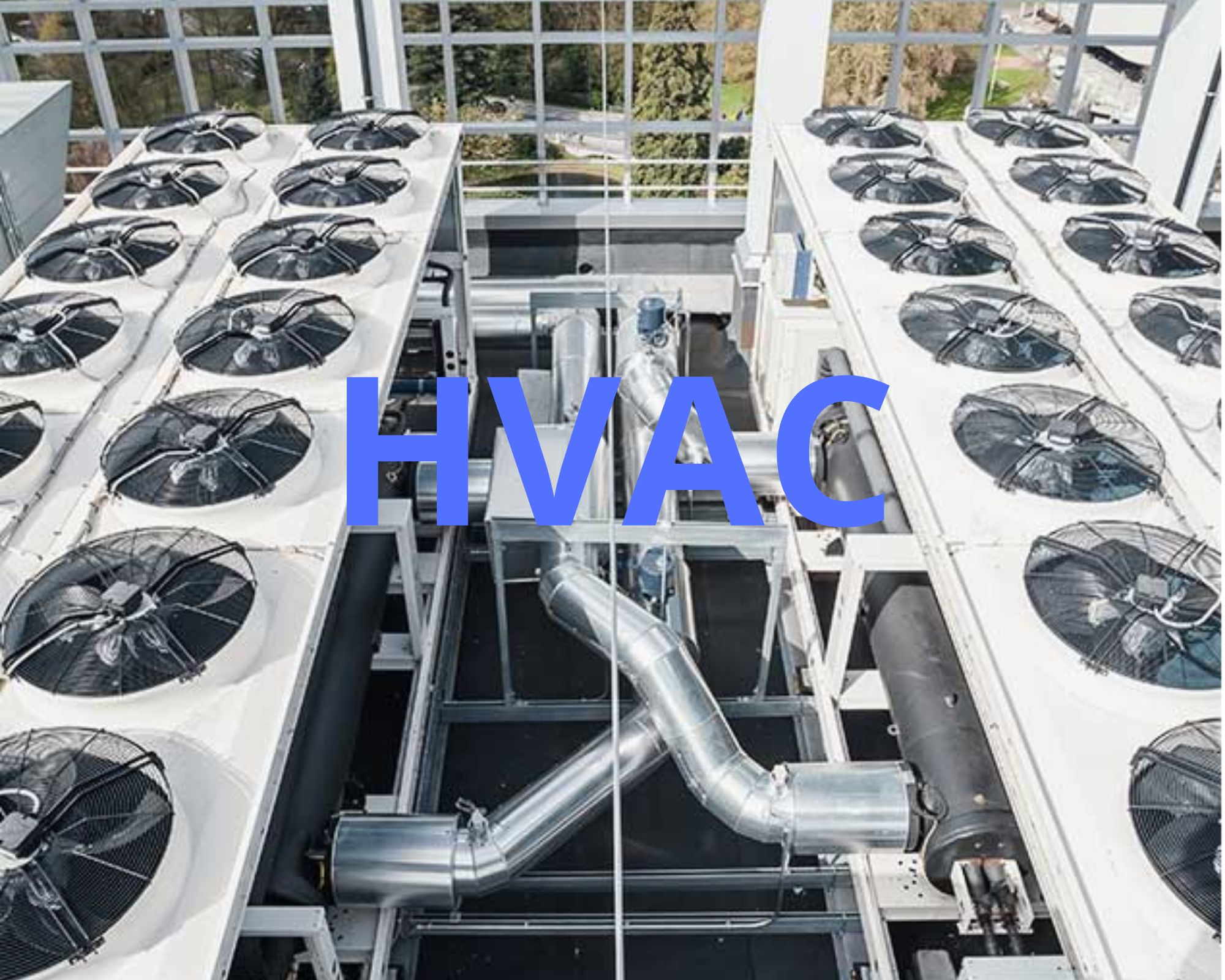
In today’s interconnected business environment, the power of HVAC management software is amplified when it seamlessly integrates with other critical business applications. This synergy not only streamlines operations but also unlocks new levels of efficiency and data-driven decision-making. Understanding these integration capabilities is key to maximizing the return on investment for your HVAC business management platform.
Connecting HVAC Management Software with Accounting Platforms
The integration of HVAC management software with established accounting platforms such as QuickBooks or Xero represents a fundamental step towards operational excellence and financial integrity. Manual data transfer between systems is a notorious bottleneck, prone to errors and time-consuming. When these platforms are linked, the flow of financial information becomes automated, significantly reducing the risk of duplicate data entry. Imagine a service technician completing a job and submitting an invoice directly from the HVAC management app.
Without integration, this invoice data would need to be manually re-entered into the accounting software, a process that could lead to typos, incorrect amounts, or missed entries. With integration, the invoice data is automatically pushed to QuickBooks or Xero, ensuring that billing and revenue recognition are up-to-date and accurate.This automation directly translates into improved financial accuracy. Discrepancies between what’s billed in the field and what’s recorded in the books are minimized.
This is crucial for accurate financial reporting, tax preparation, and overall business health. For instance, real-time synchronization means that accounts receivable are always current, providing a clear picture of cash flow. Similarly, expense tracking becomes more robust, as purchase orders or material costs entered within the HVAC platform can be automatically reflected in the accounting system, providing a comprehensive view of job profitability.
This seamless flow of data eliminates the need for constant reconciliation, freeing up valuable administrative time and allowing finance teams to focus on strategic analysis rather than tedious data input. Furthermore, it provides a single source of truth for financial data, enhancing audit readiness and ensuring compliance with financial regulations. The benefits extend to payroll as well, where labor costs associated with specific jobs can be accurately tracked and transferred to the payroll module, ensuring correct wage distribution and labor cost allocation.
Enhancing HVAC Operations with Third-Party Applications
Beyond accounting, a wealth of third-party applications can significantly enhance HVAC operations when integrated with your core management platform. These specialized tools address specific pain points and introduce advanced functionalities that complement the core offerings of HVAC software. For example, an integrated inventory management system can revolutionize how HVAC businesses handle parts and supplies. Instead of relying on manual stock counts or separate spreadsheets, the HVAC management platform can communicate directly with the inventory system.
This means that as parts are used on a service call, the inventory levels are automatically updated in real-time. Technicians can even check stock availability from their mobile devices, preventing unnecessary trips back to the warehouse or delays due to missing components. This not only improves job efficiency but also minimizes the risk of overstocking or stockouts, optimizing working capital.Marketing automation tools offer another synergistic advantage.
By integrating with your HVAC management software, these tools can leverage customer data to create targeted marketing campaigns. For instance, you can automatically send out reminders for preventative maintenance based on service history logged in the HVAC platform. If a customer’s AC unit is due for its annual check-up, the marketing automation tool can trigger an email or SMS message, encouraging proactive service and potentially preventing costly breakdowns.
This proactive approach not only enhances customer satisfaction but also creates a consistent revenue stream. Other valuable integrations include CRM systems for more in-depth customer relationship management, GPS tracking for fleet management and dispatch optimization, and even smart home device platforms to monitor system performance remotely. Each of these integrations creates a more intelligent, responsive, and customer-centric HVAC operation, turning disparate data points into actionable insights.
Evaluating Integration Needs and Selecting Compatible Software
To effectively leverage the power of integration, HVAC businesses need a systematic approach to evaluating their needs and selecting software that offers compatible connectivity. This process begins with a thorough assessment of current operational challenges and future growth aspirations. A crucial first step is to identify the core business processes that would benefit most from automation and data synchronization. This involves mapping out the existing workflows, from initial customer contact and scheduling to service delivery, invoicing, and financial reconciliation.
For each stage, consider what data is being manually handled and where errors or inefficiencies are most prevalent.A conceptual framework for evaluating integration needs can be structured around a checklist of key criteria. This checklist helps ensure that all critical aspects are considered before making a software investment.
- Business Process Analysis:
- Identify key operational bottlenecks (e.g., scheduling, dispatch, inventory, billing).
- Determine data points that are duplicated across different systems.
- Assess the time and resources currently spent on manual data entry and reconciliation.
- Define desired improvements in efficiency, accuracy, and customer service.
- Existing Technology Stack:
- List all current software applications used by the business (e.g., accounting, CRM, payroll).
- Research the integration capabilities of these existing applications.
- Understand the data formats and APIs supported by current systems.
- HVAC Management Software Capabilities:
- Prioritize essential features for your HVAC business.
- Investigate the specific integration options offered by potential HVAC software vendors.
- Look for standard integration protocols (e.g., REST APIs, Zapier, IFTTT) and pre-built connectors.
- Assess the vendor’s technical support and documentation for integrations.
- Data Security and Privacy:
- Understand how data will be transferred and stored between integrated systems.
- Ensure compliance with relevant data protection regulations (e.g., GDPR, CCPA).
- Verify the security measures implemented by both the HVAC software and the integrated applications.
- Scalability and Future-Proofing:
- Consider how the integration capabilities will support business growth.
- Evaluate if the chosen software can accommodate future integrations with emerging technologies.
- Assess the cost and complexity of setting up and maintaining integrations over time.
By systematically working through these criteria, HVAC businesses can gain clarity on their integration needs. This informed approach allows for the selection of HVAC management software that not only meets current demands but also provides a robust foundation for future technological advancements and operational efficiencies. For example, a business that heavily relies on QuickBooks for accounting and uses a popular CRM like HubSpot would prioritize an HVAC platform that offers direct, bi-directional synchronization with both.
This ensures that customer information and financial data are consistently updated across all platforms, eliminating silos and fostering a unified view of the business.
Foresee the future evolution of specialized software for HVAC enterprise management.
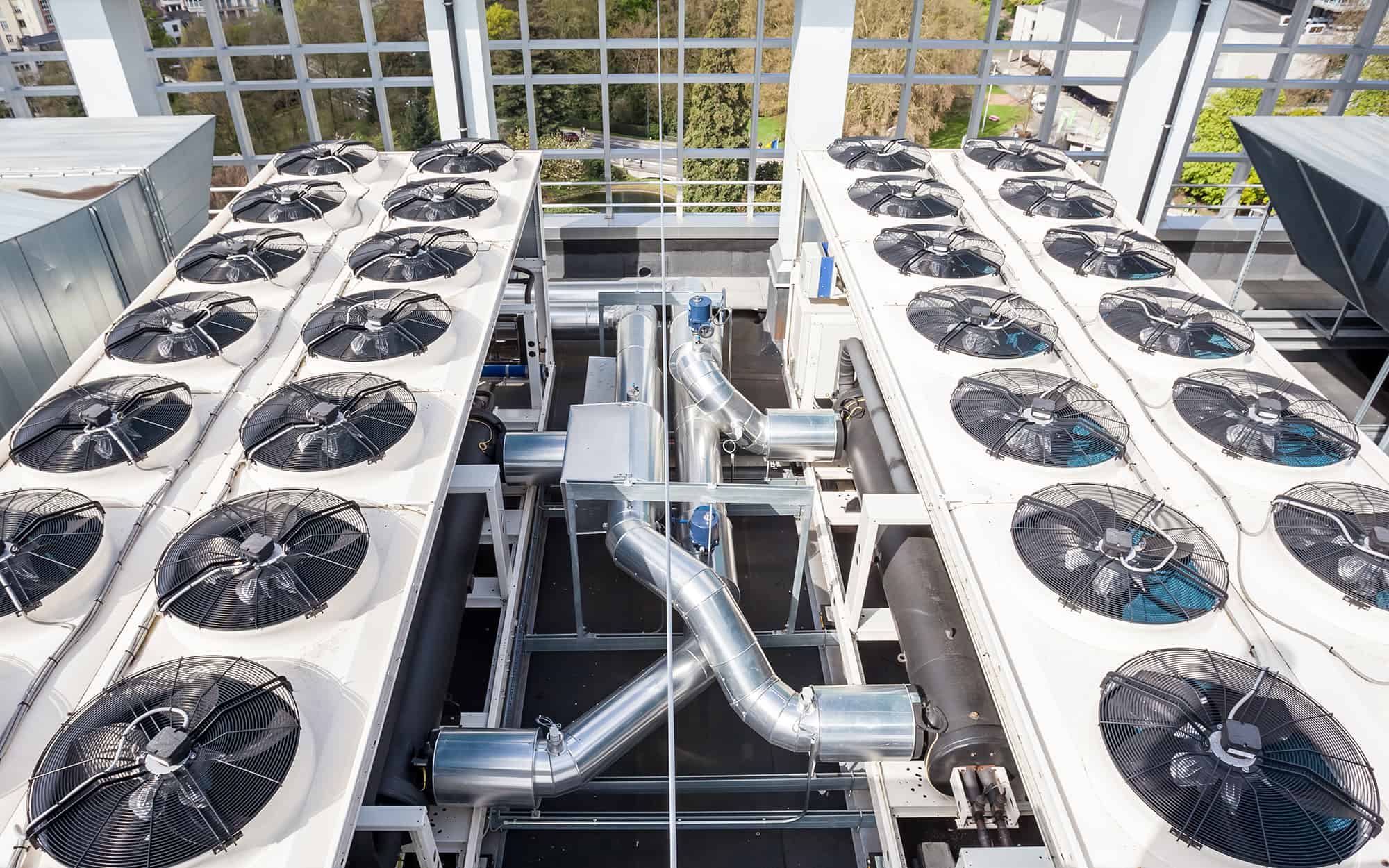
The landscape of HVAC business management is on the cusp of a significant technological revolution, driven by advancements that promise to redefine operational efficiency, customer engagement, and strategic decision-making. Specialized software, once primarily focused on scheduling and basic invoicing, is rapidly evolving into intelligent, proactive platforms. This evolution is not merely about adding more features; it’s about fundamentally changing how HVAC businesses operate by leveraging cutting-edge technologies and embracing more integrated, scalable, and data-driven approaches.
The future of HVAC enterprise management software will be characterized by predictive capabilities, ubiquitous accessibility, and a keen focus on sustainability and compliance.The integration of artificial intelligence (AI) and machine learning (ML) is poised to be a cornerstone of this transformation. These technologies are moving beyond theoretical applications and are becoming practical tools for enhancing predictive maintenance, optimizing resource allocation, and improving customer service.
AI algorithms can analyze vast datasets from sensor readings, historical maintenance records, and environmental conditions to identify patterns indicative of potential equipment failures long before they occur. This predictive capability allows HVAC companies to shift from reactive repairs to proactive servicing, minimizing downtime for clients and reducing costly emergency service calls. For instance, an AI model could learn that a specific compressor model in a particular climate, when exhibiting a certain vibration frequency and temperature fluctuation, is highly likely to fail within the next 30 days.
This allows for scheduled maintenance during off-peak hours, preventing business interruption for the client and ensuring a more predictable revenue stream for the service provider.Furthermore, AI and ML are set to revolutionize technician route optimization. By considering real-time traffic data, technician skill sets, job urgency, and geographical proximity, AI-powered systems can dynamically generate the most efficient daily schedules. This not only reduces travel time and fuel costs but also allows technicians to complete more service calls per day, directly impacting profitability.
Imagine a scenario where a critical service call arises in a busy urban area; an intelligent system could instantly re-route the nearest available technician, factoring in their current location, the estimated time to reach the new job, and any potential traffic congestion, while also rescheduling less urgent appointments seamlessly. This level of dynamic optimization was previously unimaginable with traditional scheduling methods.
The potential extends to predictive inventory management, where AI can forecast the demand for specific parts based on equipment types and historical failure rates, ensuring that necessary components are always in stock, thereby further reducing service delays. The insights derived from AI can also inform long-term strategic decisions, such as identifying equipment brands or models that consistently require more maintenance, guiding future purchasing recommendations for clients.
Cloud-Based Architectures: Enhancing Accessibility and Scalability, Hvac business management software
Cloud-based architectures are fundamentally reshaping the accessibility and scalability of HVAC management solutions, democratizing advanced technology for businesses of all sizes. The shift from on-premise installations to cloud hosting offers unparalleled flexibility, allowing HVAC companies to access their critical data and operational tools from any device with an internet connection. This eliminates the need for expensive, on-site servers and IT infrastructure, significantly reducing upfront costs and ongoing maintenance burdens.
For a small, owner-operated HVAC business, this means they can manage their entire operation – from scheduling and dispatch to customer communication and billing – from their smartphone or tablet while on the go.The scalability offered by cloud solutions is equally transformative. As an HVAC business grows, its software needs expand. Cloud platforms are designed to scale resources up or down automatically in response to demand.
This means a rapidly expanding company can effortlessly accommodate a growing team of technicians and an increasing volume of service calls without facing performance bottlenecks or requiring costly hardware upgrades. Conversely, a business experiencing seasonal fluctuations can scale down its resource usage during slower periods, optimizing costs. This elasticity is a significant advantage over traditional software, which often requires substantial investment and planning for capacity increases.
Furthermore, cloud-based systems facilitate seamless updates and new feature rollouts. Software providers can push updates and new functionalities to all users simultaneously, ensuring that every business is operating with the latest, most secure, and most efficient version of the software without any manual intervention on the client’s part. This constant evolution means HVAC businesses can always leverage the most advanced tools available, staying competitive and responsive to market changes.
The collaborative capabilities are also enhanced; multiple users, even in different locations, can access and update information in real-time, fostering better teamwork and reducing data silos. This interconnectedness is vital for efficient service delivery and informed management. The security of data is also a key benefit, as reputable cloud providers invest heavily in robust security measures and regular backups, often exceeding the capabilities of individual businesses.
Examine how fishbowl warehouse management can boost performance in your area.
Emerging Feature Sets for Evolving Industry Demands
The HVAC industry is constantly evolving, driven by stricter environmental regulations, a growing emphasis on energy efficiency, and increasing customer expectations for transparency and sustainability. Consequently, HVAC management software must adapt to incorporate new feature sets that address these evolving demands. These innovations will empower businesses to not only manage their daily operations more effectively but also to position themselves as leaders in responsible and efficient building services.Here are several potential new feature sets that could emerge:
- Enhanced Environmental Compliance Tracking: This feature set would go beyond basic refrigerant tracking. It could include modules for monitoring and reporting on a wider range of environmental regulations, such as those related to indoor air quality (IAQ) standards, greenhouse gas emissions from equipment, and waste disposal protocols for old units and materials. The software could automatically flag equipment nearing the end of its lifecycle based on refrigerant type and regulatory phase-out dates, prompting proactive replacement discussions with clients.
It could also generate compliance reports required by local, state, or federal agencies, simplifying a complex and often time-consuming administrative task. For example, a report could detail all refrigerants used across a client’s portfolio, their GWP (Global Warming Potential), and the projected timeline for mandated transitions.
- Advanced Energy Efficiency Diagnostics and Recommendations: Moving beyond simple energy consumption monitoring, this feature set would integrate sophisticated diagnostic tools. It could leverage AI to analyze historical energy usage patterns in conjunction with equipment performance data, weather forecasts, and building occupancy schedules to identify inefficiencies. The software could then generate personalized, actionable recommendations for improving energy efficiency, such as suggesting optimal thermostat settings, recommending upgrades to more efficient equipment, or identifying insulation gaps.
For instance, the system might detect that a specific zone in a commercial building consistently consumes more energy than expected, correlating it with specific HVAC equipment performance and suggesting a tune-up or a variable speed drive upgrade. This feature would allow HVAC businesses to offer valuable consulting services, becoming trusted partners in their clients’ sustainability efforts.
- Predictive Lifecycle Management for Equipment: This feature would extend the concept of predictive maintenance to the entire lifespan of HVAC equipment. By analyzing performance data, maintenance history, and manufacturer specifications, the software could predict the remaining useful life of individual components and entire systems. This would enable proactive replacement planning, helping clients avoid unexpected failures and budget effectively for future capital expenditures. It could also facilitate a more sustainable approach by identifying opportunities for repair and refurbishment over premature replacement.
For example, the system might forecast that a particular air handler unit has a 70% probability of requiring a major component replacement within the next two years, allowing the client to plan accordingly.
- Integrated Building Performance Simulation: This advanced feature would allow HVAC professionals to simulate the impact of different equipment choices, system configurations, and operational strategies on a building’s overall energy performance and occupant comfort before installation or during retrofits. Using digital twin technology, the software could create virtual models of buildings, allowing for “what-if” scenarios. This would empower technicians and sales teams to present clients with data-driven evidence of proposed solutions’ effectiveness, enhancing trust and sales conversions.
For instance, before recommending a new chiller system, the software could simulate its performance under various load conditions and its impact on the building’s energy bills compared to the existing system.
- Smart Inventory and Parts Management with IoT Integration: Beyond simple inventory tracking, this feature would leverage the Internet of Things (IoT) to monitor stock levels in real-time, potentially even in technician vans. When a part is used, the system automatically updates inventory. Furthermore, it could integrate with smart bins or sensors that alert the system when stock is low, automatically triggering reorder requests. This proactive approach minimizes the risk of technicians arriving at a job site without the necessary parts, significantly improving first-time fix rates and customer satisfaction.
For example, a van’s inventory system could detect a low stock of a specific capacitor and automatically add it to the technician’s next supply order.
Final Summary

In essence, HVAC business management software serves as the central nervous system for a modern HVAC company, driving efficiency, enhancing customer satisfaction, and bolstering financial health. By embracing these advanced tools, businesses can move beyond manual processes, gain critical insights, and position themselves for sustained growth and success in an increasingly competitive market. The future of HVAC operations is undeniably digital, and this software is the key to unlocking that potential.
General Inquiries
What are the primary benefits of using HVAC business management software?
The primary benefits include improved scheduling and dispatching, enhanced customer relationship management, streamlined invoicing and payment processing, better inventory control, accurate job costing, and valuable financial reporting for informed decision-making.
Can this software help with compliance and certifications?
Many advanced HVAC management systems can help track technician certifications, equipment maintenance schedules, and regulatory compliance, ensuring your business meets industry standards and legal requirements.
Is HVAC business management software suitable for small businesses?
Absolutely. Many solutions offer tiered pricing and scalable features, making them adaptable for small businesses looking to professionalize their operations and compete with larger companies.
How does this software improve customer retention?
By providing personalized service through access to detailed customer history, preferences, and timely follow-ups, the software helps build stronger customer loyalty and encourages repeat business.
What kind of training is typically required to use HVAC business management software?
Most modern software is designed with user-friendly interfaces. Initial training often involves onboarding sessions provided by the vendor, with ongoing support and online resources available for users.