HR software for small companies is revolutionizing how businesses manage their most valuable asset: their people. This shift from manual processes to integrated digital solutions is not just about efficiency; it’s about fostering growth, enhancing employee experience, and ensuring compliance in today’s dynamic business environment. As we delve into the core reasons behind this adoption, we’ll uncover how technology addresses common pain points, centralizes crucial data, and streamlines vital HR functions like onboarding and offboarding, ultimately proving more cost-effective than traditional methods.
Understanding the foundational motivations for small businesses to embrace dedicated HR technology is key. Manual HR processes, often burdened by paperwork and fragmented systems, lead to inefficiencies, errors, and missed opportunities. Technology steps in to automate repetitive tasks, reduce administrative overhead, and provide a single source of truth for employee information. Centralized data management ensures that critical details are accessible, secure, and up-to-date, empowering informed decision-making.
Furthermore, the seamless automation of onboarding and offboarding procedures not only saves time but also creates a positive first and last impression for employees. The economic advantages of implementing HR software are significant, offering a return on investment through reduced errors, improved productivity, and better resource allocation, making it a strategic imperative for small companies aiming for sustainable growth and operational excellence.
The Fundamental Reasons for Small Business HR Technology Adoption
In today’s fast-paced business environment, small companies are increasingly recognizing the strategic imperative of adopting dedicated human resources technology solutions. This shift is driven by a growing awareness that efficient HR management is not just an administrative task, but a critical component of sustainable growth and competitive advantage. As businesses scale, the complexities of managing their most valuable asset – their people – can quickly outstrip the capacity of manual processes, leading to inefficiencies, compliance risks, and a drag on productivity.
HR software offers a powerful antidote to these challenges, providing scalable, streamlined, and data-driven solutions tailored to the unique needs of smaller organizations.The adoption of HR technology by small businesses is fundamentally about overcoming operational bottlenecks and unlocking new levels of efficiency and strategic focus. Traditional, paper-based or spreadsheet-driven HR processes are prone to errors, time-consuming, and often lack the necessary controls to ensure compliance and data accuracy.
This can manifest in a myriad of issues, from missed deadlines for payroll processing to difficulties in tracking employee performance and managing benefits. HR software acts as a central nervous system for all HR-related activities, automating repetitive tasks, providing a single source of truth for employee information, and enabling better decision-making through insightful reporting and analytics. This technological empowerment allows small business owners and their limited HR staff to shift their focus from day-to-day administration to more strategic initiatives like talent development, employee engagement, and fostering a positive company culture.
Addressing Pain Points of Manual HR Processes
Small businesses often grapple with significant pain points stemming from their reliance on manual HR processes. These can include:
- Time Consumption and Inefficiency: Manual data entry, paper-based filing, and disconnected systems lead to an enormous drain on valuable time. Tasks like updating employee records, processing leave requests, and generating payroll reports can become a significant administrative burden, diverting resources from core business activities. For example, a small retail business with 20 employees might spend several hours each week manually calculating wages, tracking vacation days, and updating contact information.
- Data Inaccuracy and Compliance Risks: Manual processes are inherently prone to human error, leading to inaccuracies in employee records, payroll, and benefits administration. This can result in incorrect payments, missed tax filings, and non-compliance with labor laws, potentially leading to costly fines and legal issues. Imagine a startup miscalculating overtime pay due to manual tracking, leading to an audit and penalties.
- Lack of Centralized Information: Employee data is often scattered across various spreadsheets, physical files, and individual email inboxes. This fragmentation makes it difficult to access comprehensive employee information quickly, hindering effective decision-making, reporting, and employee support. A sales manager trying to assess team performance might struggle to gather all relevant data if performance reviews are stored in different locations.
- Poor Employee Experience: Cumbersome and slow HR processes can negatively impact the employee experience. Long wait times for leave approvals, unclear access to pay stubs, and difficulty in updating personal information can lead to frustration and disengagement.
HR software directly addresses these pain points by automating workflows, enforcing data validation, and providing a centralized, secure repository for all employee information.
Benefits of Centralized Employee Data Management, Hr software for small companies
Centralized employee data management, a core feature of HR software, offers substantial benefits for small organizations. Instead of information being siloed across various documents and systems, a dedicated HR platform consolidates all employee details into a single, accessible database. This includes personal information, contact details, employment history, payroll data, benefits enrollment, performance reviews, and training records.
“A single source of truth for employee data is crucial for operational efficiency and informed decision-making.”
The advantages of this centralization are manifold:
- Improved Data Accuracy and Consistency: By having one system of record, the risk of duplicate entries, conflicting information, and outdated data is significantly reduced. Updates made in one area automatically reflect across the system, ensuring consistency.
- Enhanced Accessibility and Security: Authorized personnel can quickly access the information they need from anywhere, at any time, often through secure cloud-based platforms. This also allows for better control over who can view and edit sensitive employee data, bolstering security and privacy.
- Streamlined Reporting and Analytics: Centralized data makes it far easier to generate reports on various HR metrics, such as headcount, turnover rates, salary benchmarks, and training completion. This data-driven insight is invaluable for strategic planning and identifying trends.
- Efficient Auditing and Compliance: Having all employee data in one place simplifies the process of audits and ensures compliance with regulatory requirements. It provides a clear trail of information, making it easier to demonstrate adherence to labor laws and other mandates.
For a small accounting firm, for instance, having all employee tax information, certifications, and professional development records in a centralized system drastically simplifies year-end tax preparations and compliance checks.
Streamlining Onboarding and Offboarding Procedures
The onboarding and offboarding processes are critical touchpoints for any employee, and HR software plays a pivotal role in making these transitions smooth and efficient for small businesses.
Onboarding New Hires
Traditional onboarding often involves a stack of paperwork, manual data entry, and disjointed communication. HR software streamlines this by:
- Digital Paperwork Completion: New hires can complete essential forms, such as W-4s, I-9s, and direct deposit information, electronically before their first day. This saves time for both the employee and the HR team, and reduces the risk of lost or incomplete forms.
- Automated Task Assignment: The system can automatically trigger tasks for relevant departments, such as IT for equipment setup, or a manager for assigning initial training modules.
- Centralized Access to Information: New employees can be granted access to company policies, employee handbooks, and training materials through a self-service portal, empowering them to get up to speed quickly.
Consider a small tech company using HR software. When a new developer is hired, the system automatically assigns IT to prepare their laptop, creates their email account, and sends them links to the company’s code of conduct and onboarding checklist, all before they even walk through the door.
Offboarding Departing Staff
Offboarding, when handled manually, can be equally cumbersome and prone to oversight, potentially leading to security risks or compliance issues. HR software helps by:
- Automated Termination Workflows: The system can initiate a pre-defined offboarding checklist, ensuring all necessary steps are taken, such as revoking system access, processing final paychecks, and managing benefits continuation.
- Exit Interview Management: HR software can facilitate the scheduling and collection of exit interview data, providing valuable feedback for improving employee retention.
- Secure Data Archiving: Departing employees’ data can be securely archived in compliance with retention policies, while access is promptly removed.
A small manufacturing company might use its HR software to automatically schedule the return of company property, generate a final payroll report with accrued vacation payout, and notify the IT department to disable all access to company systems on an employee’s last day, preventing potential data breaches.
Cost-Effectiveness of HR Software Implementation
While the initial investment in HR software might seem like an added expense for small businesses, it often proves to be a highly cost-effective solution in the long run compared to traditional methods. The cost savings are realized through several avenues:
- Reduced Administrative Overhead: Automating time-consuming tasks like payroll processing, leave management, and data entry frees up valuable staff hours. These hours can then be redirected to more productive or strategic activities, effectively increasing output without hiring additional personnel. For a small retail chain, automating their weekly payroll calculation, which previously took one person nearly a full day, can save thousands of dollars annually in labor costs.
- Minimized Errors and Compliance Penalties: The accuracy provided by HR software significantly reduces the likelihood of costly mistakes in payroll, tax filings, and benefits administration. This directly translates to avoiding potential fines, legal fees, and the cost of rectifying errors. A small consulting firm, by ensuring accurate tax withholdings through its HR software, can avoid the substantial penalties associated with incorrect filings.
- Improved Employee Retention: A positive employee experience, facilitated by efficient HR processes and better communication, can lead to higher retention rates. The cost of recruiting and training a new employee can be substantial, often several times their annual salary. Reducing turnover through better HR practices directly impacts the bottom line.
- Scalability: As a small business grows, HR software can scale with it. Instead of needing to hire more administrative staff to handle increased HR demands, the software can manage the growing workload. This flexibility prevents disproportionate increases in HR operational costs as the company expands.
Furthermore, many HR software providers offer tiered pricing models specifically designed for small businesses, making advanced HR capabilities accessible without a prohibitive upfront investment. The ROI is often realized through increased efficiency, reduced risk, and improved employee productivity.
Identifying the Essential Features of Effective Small Company HR Platforms: Hr Software For Small Companies
For small businesses, adopting HR technology isn’t just about keeping up with trends; it’s about unlocking efficiency, fostering growth, and ensuring compliance without the overhead of a dedicated HR department. The right HR platform acts as a central nervous system for managing your most valuable asset: your people. However, not all platforms are created equal, and for small companies, the key lies in identifying features that are not only robust but also adaptable and user-friendly.
The focus should be on solutions that streamline day-to-day operations, empower employees, and provide actionable insights, all while remaining cost-effective and scalable.The effectiveness of an HR platform for a small company hinges on its ability to address core operational needs with precision and flexibility. Without the luxury of specialized teams for each HR function, a single platform must deliver a comprehensive suite of tools.
This means looking beyond basic record-keeping to functionalities that actively contribute to business objectives. Customizable workflows are paramount, allowing a small business to tailor processes like onboarding or leave requests to its unique operational rhythm. Similarly, reporting capabilities should offer clear, concise insights into key HR metrics, enabling informed decision-making.
Core Functionalities for Small Business HR Platforms
A truly effective HR platform for a small business must provide a solid foundation of essential functionalities that cover the entire employee lifecycle. These core features are the bedrock upon which more advanced capabilities are built, ensuring that fundamental HR tasks are managed efficiently and accurately.The essential functionalities include:
- Payroll Processing: This is non-negotiable. The platform must accurately calculate wages, deductions, and taxes, ensuring timely and compliant payments to employees. It should handle various pay frequencies and methods, and ideally integrate with accounting software.
- Time and Attendance Tracking: Accurate tracking of employee work hours is crucial for payroll, labor cost management, and compliance with labor laws. Features like clock-in/clock-out options (web, mobile, or physical devices), automated overtime calculations, and leave request management are vital.
- Employee Self-Service Portals: Empowering employees to manage their own HR information reduces the administrative burden on the HR team. This includes access to pay stubs, personal information updates, leave requests, and company policies.
- HR Information System (HRIS): A centralized database for all employee data, including contact information, job history, compensation, and benefits enrollment. This ensures data accuracy and accessibility for reporting and analysis.
- Onboarding and Offboarding Management: Streamlining the process of bringing new employees into the company and managing their departure is critical for a positive employee experience and compliance. This can include digital document signing, task assignment, and automated checklists.
- Benefits Administration: Managing employee benefits, such as health insurance, retirement plans, and other perks, can be complex. The platform should simplify enrollment, track eligibility, and provide clear communication to employees.
Customizable Workflows and Reporting Capabilities
Small businesses often operate with unique processes and structures that differ significantly from larger enterprises. Therefore, an HR platform’s ability to adapt is a critical differentiator. Customizable workflows allow businesses to design and automate processes that align precisely with their operational needs, whether it’s a multi-step approval process for expense claims or a specific sequence for new hire documentation. This level of personalization prevents the platform from becoming a rigid constraint and instead makes it a flexible tool that supports business agility.Reporting capabilities are equally vital.
Beyond standard HR reports, small companies need the ability to generate custom reports that answer specific business questions. This might involve analyzing employee turnover by department, tracking training hours against project timelines, or understanding the cost of benefits per employee. The platform should offer intuitive reporting tools that allow users to create, schedule, and export reports in various formats, providing clear insights for strategic decision-making.
For instance, a small e-commerce business might need to track the productivity of its warehouse staff based on order fulfillment rates, a metric that a generic HR report might not readily provide.
Employee Performance Management Tools
Fostering growth within small teams is essential for both individual employee development and overall business success. Employee performance management tools within an HR platform play a crucial role in this. These tools facilitate setting clear goals, conducting regular performance reviews, and providing constructive feedback. For a small business, this might involve a simplified system for managers to document performance discussions, track progress against objectives, and identify areas for training or development.
Features like 360-degree feedback can also be valuable, allowing for a more holistic view of an employee’s contributions. The ability to link performance goals to individual development plans can help retain talent and build a skilled workforce. For example, a small marketing agency might use performance management tools to track the successful completion of client projects and the development of new campaign strategies by its team members, directly linking individual contributions to business outcomes.
Applicant Tracking System (ATS) Features for Recruitment Optimization
Recruitment can be a time-consuming and resource-intensive process for small businesses. An Applicant Tracking System (ATS) integrated into an HR platform can significantly optimize this. Key ATS features for small companies include:
- Job Posting and Distribution: The ability to easily create job descriptions and post them to multiple job boards and social media platforms directly from the HR system.
- Candidate Screening and Ranking: Tools to filter resumes based on s and qualifications, helping to quickly identify the most suitable candidates. This can save hours of manual review.
- Communication Management: Centralized communication with candidates, allowing for automated interview scheduling, sending rejection letters, and keeping candidates informed throughout the hiring process.
- Onboarding Integration: Seamless transition of selected candidates into the onboarding process within the HR platform, reducing duplicate data entry and ensuring a smooth start.
For instance, a small tech startup looking to hire a software developer could use an ATS to post the job on LinkedIn, Stack Overflow, and their company website simultaneously. The system could then automatically rank applicants based on their listed programming languages and years of experience, allowing the hiring manager to focus on the top 10-15 candidates for initial review.
This structured approach ensures that no promising candidate is overlooked and that the hiring process is efficient and effective, even with limited HR resources.
Navigating the Diverse Landscape of HR Software Options for Small Businesses
The HR software market for small businesses is far from monolithic; it’s a vibrant ecosystem with solutions catering to various needs, budgets, and technical proficiencies. Understanding the key differentiators among these platforms is crucial for making an informed decision that aligns with your company’s specific operational requirements and growth trajectory. This section will guide you through the essential aspects to consider when exploring these diverse offerings, from deployment models and pricing to integration capabilities and user experience.
Deployment Models: Cloud-Based vs. On-Premise Solutions
The choice between cloud-based and on-premise HR software significantly impacts a small business’s IT infrastructure, cost of ownership, and accessibility. For most small companies, the decision leans heavily towards cloud-based solutions due to their inherent advantages.On-premise solutions, while offering a perceived sense of greater control over data, require significant upfront investment in hardware, software licenses, and ongoing maintenance. This includes server management, regular software updates, and robust security protocols, all of which can be a substantial burden for a small business with limited IT resources and budget.
Furthermore, accessing on-premise systems remotely can be complex and may necessitate additional network infrastructure and security measures.Cloud-based HR software, often referred to as Software-as-a-Service (SaaS), operates on the vendor’s servers and is accessed via the internet. This model eliminates the need for substantial upfront hardware investment. The vendor manages all infrastructure, maintenance, security, and updates, providing a predictable subscription-based cost.
For small businesses, this translates to lower initial costs, scalability that can grow with the company, and the flexibility to access HR data from anywhere with an internet connection. This accessibility is particularly beneficial for businesses with remote employees or those that require on-the-go management. The vendor’s expertise in security and data backup also offers a significant advantage, often surpassing what a small business could manage independently.
For example, a small startup can quickly implement a cloud HR system without needing dedicated IT staff, allowing them to focus on core business activities.
Common Pricing Structures and Inclusions
The pricing of HR software for small businesses typically follows a few common models, each with varying inclusions. Understanding these structures helps in budgeting and evaluating the overall value proposition.The most prevalent pricing model is per-employee, per-month. This means the cost is directly proportional to the number of active employees the software manages. This is highly scalable for small businesses, as costs naturally increase as the company grows and decrease if employee numbers fluctuate.
This model often includes core HR functionalities such as employee record management, time and attendance tracking, and basic payroll processing.Another common structure is tiered pricing, where different feature sets are offered at distinct price points. Higher tiers typically unlock more advanced functionalities like performance management, applicant tracking systems (ATS), or sophisticated reporting and analytics. Small businesses can select a tier that matches their current needs, with the option to upgrade as their HR requirements become more complex.Some vendors may offer a base subscription fee that includes a certain number of employees, with additional charges for exceeding that threshold or for specific add-on modules.
It’s crucial to carefully examine what is included in each pricing tier or per-employee cost. This often covers software access, customer support, and regular updates. However, advanced features like onboarding workflows, benefits administration, or compliance reporting might be considered add-ons and incur extra charges. For instance, a basic plan might cost $4 per employee per month and cover essential HR functions, while a premium plan at $8 per employee per month could add robust recruitment tools and detailed analytics.
Significance of Integration Capabilities
In today’s interconnected business environment, the ability of HR software to integrate seamlessly with other critical business tools is no longer a luxury but a necessity. For small businesses, effective integration can streamline operations, reduce manual data entry, and provide a more holistic view of the business.Consider the synergy between HR software and accounting platforms. When HR systems can sync employee payroll data directly into accounting software like QuickBooks or Xero, it drastically reduces the risk of errors and saves significant administrative time.
This eliminates the need for duplicate data entry, ensuring that payroll expenses are accurately reflected in financial reports. Similarly, integrating with project management tools, such as Asana or Trello, can provide insights into employee workload, project contributions, and resource allocation, which can inform performance reviews and workforce planning.
“Seamless integration fosters a unified data ecosystem, empowering smarter business decisions.”
For example, an integrated system can automatically update an employee’s project assignments within the HR platform based on changes in the project management tool, or vice versa. This bidirectional flow of information ensures that all relevant departments have access to up-to-date information, leading to greater efficiency and fewer operational bottlenecks. This interconnectedness is particularly valuable for small teams where individuals often wear multiple hats and efficiency is paramount.
Importance of User-Friendly Interfaces and Intuitive Navigation
The most feature-rich HR software is ineffective if it’s difficult to use. For small business owners and their teams, who may not have dedicated HR professionals or extensive technical expertise, a user-friendly interface and intuitive navigation are paramount.A well-designed HR platform should present information clearly and logically, with easy-to-understand menus and workflows. This means that tasks like adding a new employee, requesting time off, or accessing employee data should be straightforward and require minimal training.
Complex processes should be broken down into simple, guided steps. The visual design also plays a role; a clean, uncluttered interface reduces cognitive load and makes it easier for users to find what they need quickly.For instance, imagine a small business owner needing to quickly access an employee’s contact information to resolve an urgent matter. If the HR software has a clear search function and presents employee profiles in an easily digestible format, this task can be completed in seconds.
Conversely, a system with confusing navigation or a dated interface could lead to frustration, errors, and a reluctance to utilize the software’s full potential. Intuitive dashboards that provide at-a-glance overviews of key HR metrics, such as employee count, upcoming leave, or onboarding status, are also highly beneficial for busy small business leaders. This immediate accessibility to vital information allows for proactive management and quicker decision-making.
Designing a Strategic Implementation Plan for Introducing HR Software into a Small Business Environment
Implementing new HR software in a small business isn’t just about picking a tool; it’s a strategic project that requires careful planning and execution to ensure maximum benefit and minimal disruption. A well-defined plan ensures that the transition is smooth, employees are on board, and the business can leverage the new technology to its full potential from day one. This structured approach helps mitigate common challenges and maximizes the return on investment in HR technology.The process of integrating HR software involves several critical stages, each requiring specific attention to detail.
From understanding the precise needs of the business to ensuring that data is transferred accurately and securely, a methodical approach is paramount. Furthermore, empowering employees with the knowledge to use the system effectively and establishing a reliable support network are key to successful adoption.
Selecting the Right HR Software
The journey to effective HR software adoption begins with a thorough needs assessment. This involves identifying the core HR functions that are currently causing bottlenecks or could be significantly improved with technology. For a small business, this might include streamlining payroll, managing employee time-off requests, simplifying onboarding, or enhancing performance tracking. It’s crucial to involve key stakeholders, including HR personnel (if any), department managers, and even a representative group of employees, to gather diverse perspectives on pain points and desired functionalities.Following the needs assessment, the next step is to research and evaluate potential vendors.
This stage involves creating a shortlist of HR software providers that align with the identified requirements and budget. A comprehensive vendor evaluation should include examining their feature sets, ease of use, scalability, customer support quality, and pricing models. Requesting demonstrations and free trials is essential to get a hands-on feel for the software. Pay close attention to user reviews and testimonials, particularly from other small businesses, to gauge real-world performance and satisfaction.
It’s also wise to inquire about the vendor’s experience with businesses of similar size and industry.
Data Migration and Security
Once the HR software is selected, the critical phase of data migration begins. This process involves transferring existing employee data, such as personal information, payroll details, and historical HR records, into the new system. Accuracy and security are non-negotiable during this transition. Before commencing migration, it’s imperative to clean and standardize existing data to avoid introducing errors into the new system.
A data mapping exercise, where fields in the old system are matched to corresponding fields in the new one, is a vital preparatory step.During the migration itself, thorough testing and validation are essential. This involves performing test migrations with a subset of data to identify and resolve any issues before migrating the entire dataset. Robust security protocols must be in place to protect sensitive employee information.
This includes ensuring that the software provider adheres to relevant data privacy regulations (e.g., GDPR, CCPA) and employs encryption for data in transit and at rest. Implementing access controls and audit trails within the new system further enhances data security.
Employee Training on New HR Systems
Effective employee training is the cornerstone of successful HR software adoption. Without proper training, even the most advanced system will go underutilized or be used incorrectly, leading to frustration and inefficiency. The training strategy should be tailored to different user groups, considering their roles and the functionalities they will interact with. For instance, HR administrators will require comprehensive training on all system features, while general employees might only need training on specific modules like time tracking or requesting leave.A multi-faceted training approach is often most effective.
This can include:
- Live training sessions, either in-person or virtual, led by the software vendor or an internal champion.
- On-demand training resources such as video tutorials, user manuals, and FAQs.
- Hands-on practice environments or sandbox accounts where employees can experiment without affecting live data.
- Dedicated Q&A sessions to address specific concerns and clarify doubts.
It’s also beneficial to designate “super-users” or internal champions within departments who can provide ongoing peer support and answer common questions, thereby reducing the burden on the central HR function.
Ongoing Support and Provider Maintenance
The implementation of HR software is not a one-time event; it requires ongoing commitment to support and maintenance. The chosen software provider plays a crucial role in this aspect. Reliable and responsive customer support is essential for addressing technical issues, answering queries, and providing guidance on system updates and new features. Small businesses should clearly understand the support channels offered by the vendor (e.g., phone, email, chat), their availability, and their response times.Furthermore, regular maintenance and updates from the provider are critical for ensuring the software remains secure, compliant with evolving regulations, and performs optimally.
This includes bug fixes, security patches, and feature enhancements. A proactive provider will communicate upcoming maintenance windows and significant updates, allowing businesses to plan accordingly. Establishing a clear communication channel with the provider for reporting issues and seeking assistance is vital for a smooth operational experience.
Measuring HR Software Adoption Success
To gauge the effectiveness of the HR software implementation, a framework for measuring success is essential. This involves defining key performance indicators (KPIs) that align with the initial goals set during the needs assessment. These KPIs can be both quantitative and qualitative.Quantitative measures might include:
- Reduction in time spent on administrative HR tasks (e.g., payroll processing time, leave request processing time).
- Decrease in errors in payroll or employee data.
- Improved employee engagement scores related to HR processes.
- Faster onboarding times for new hires.
Qualitative measures can be gathered through employee surveys and feedback sessions, focusing on user satisfaction, ease of use, and perceived value of the system. Comparing these metrics against pre-implementation benchmarks provides a clear picture of the ROI and areas for further optimization.
The success of HR software adoption is directly proportional to the strategic planning, thorough execution, and ongoing commitment to user enablement and support.
Exploring the impact of robust HR software on employee engagement and retention within small enterprises.
Implementing effective HR software in a small business is more than just streamlining administrative tasks; it significantly influences how employees feel about their jobs and their commitment to the company. For small enterprises, where every team member’s contribution is vital, fostering a positive and supportive work environment is paramount. Robust HR technology acts as a catalyst, enhancing engagement and, consequently, improving retention rates by addressing core employee needs and expectations.
This technology empowers employees with self-service options, provides clear channels for feedback, and ultimately contributes to a more positive and productive workplace culture, directly impacting the bottom line.
Employee Satisfaction Through Accessible HR Functions
The day-to-day experience of an employee is often shaped by the ease with which they can manage essential HR-related tasks. When HR software provides intuitive and readily available access to crucial information and processes, it directly boosts employee satisfaction. This accessibility removes common frustrations and allows employees to focus more on their core responsibilities.The following functions, when integrated into an HR platform, significantly contribute to a higher level of employee contentment:
- Easy Access to Pay Stubs: Employees appreciate the ability to quickly and securely view their pay stubs, understand their earnings, and track deductions. This transparency builds trust and reduces the need for repetitive inquiries to the HR department. Platforms offering mobile access or direct email notifications for new pay stubs are particularly valued.
- Streamlined Leave Requests: A simple and efficient system for requesting and managing leave is crucial. Employees want to know their requests are seen, processed promptly, and that their leave balances are accurately reflected. Features like calendar integration, automated approval workflows, and clear visibility of team leave schedules prevent confusion and enhance planning for both employees and managers.
- Company Policies and Documentation: Having a centralized, easily searchable repository for company policies, handbooks, and important documents is invaluable. Employees can quickly find answers to their questions regarding benefits, conduct, or operational procedures without having to chase down information. This self-service aspect fosters independence and confidence.
Fostering Continuous Improvement with Performance Feedback Mechanisms
Effective HR software goes beyond administrative functions to actively cultivate a culture of growth and recognition. Performance feedback mechanisms within these platforms are instrumental in this regard, providing structured avenues for both constructive criticism and positive reinforcement. This not only helps employees develop their skills but also makes them feel valued and understood.Performance feedback features can be leveraged in several ways to drive a culture of continuous improvement:
- Regular Check-ins and Goal Setting: Platforms can facilitate scheduled one-on-one meetings between managers and employees, allowing for discussions about progress, challenges, and future goals. These regular touchpoints ensure that employees are aligned with company objectives and receive ongoing guidance.
- 360-Degree Feedback: Enabling feedback from peers, subordinates, and supervisors provides a comprehensive view of an employee’s performance and impact. This multi-directional feedback can highlight blind spots and areas for development that might otherwise be missed.
- Recognition and Appreciation Tools: HR software can incorporate features for peer-to-peer recognition or manager-led commendations. Publicly acknowledging achievements, whether through a company-wide feed or direct notifications, reinforces positive behaviors and boosts morale. For example, a small tech startup might use its HR platform to award “kudos” to team members who go above and beyond on a project, fostering a sense of shared success.
Facilitating Communication and Collaboration in Modern Workplaces
In today’s evolving work landscape, where remote and hybrid models are increasingly common, HR software plays a critical role in bridging geographical divides and ensuring seamless team interaction. It provides the digital infrastructure necessary for effective communication and collaboration, keeping teams connected and productive regardless of their physical location.HR software facilitates communication and collaboration through various features:
- Internal Communication Channels: Many platforms integrate with or offer internal messaging and announcement features. This allows for company-wide updates, team-specific discussions, and direct communication between individuals, ensuring that information flows efficiently.
- Project Management Integration: Connecting HR software with project management tools or offering basic project tracking capabilities within the platform can provide a unified view of team workloads and project progress. This visibility helps in resource allocation and ensures everyone is aware of ongoing initiatives.
- Centralized Document Sharing and Collaboration: Beyond just policy documents, HR software can serve as a hub for sharing project-related files, meeting minutes, and other collaborative materials. Features allowing for version control and commenting further enhance teamwork.
- Virtual Team Building and Social Features: Some advanced platforms even include features that encourage informal interaction, such as virtual water cooler spaces or team event calendars, helping to maintain a sense of camaraderie among remote employees.
The Link Between Efficient HR Processes and Positive Employee Experience
The cumulative effect of efficient HR processes, enabled by robust software, is a significantly enhanced overall employee experience. When administrative burdens are minimized, communication is clear, and opportunities for growth and recognition are present, employees feel more valued, supported, and engaged. This positive experience is a direct driver of reduced turnover, as employees are less likely to seek opportunities elsewhere when their current environment meets their needs and expectations.A positive employee experience, cultivated through effective HR technology, leads to tangible benefits:
- Increased Productivity: When employees are not bogged down by administrative hurdles or unclear processes, they can dedicate more time and energy to their core tasks, leading to higher overall productivity.
- Improved Morale and Job Satisfaction: Feeling heard, valued, and supported directly contributes to higher morale and greater job satisfaction. This emotional connection to the workplace is a key factor in retention.
- Reduced Absenteeism: A positive work environment, where employees feel their well-being is considered, often results in lower rates of absenteeism.
- Stronger Employer Brand: Companies known for their positive employee experiences attract better talent and are more likely to retain their existing workforce, building a strong employer brand.
The efficiency gained through HR software translates directly into a more positive employee journey, from onboarding to offboarding. This positive cycle of engagement and satisfaction is a critical component for the sustained success and growth of any small enterprise.
Forecasting the future trends and advancements in HR software specifically tailored for the evolving needs of small businesses.
As small businesses continue to adapt and grow in a dynamic economic landscape, the role of HR technology will become even more pivotal. The coming years promise significant advancements in HR software, with a clear focus on making sophisticated HR functions accessible and manageable for smaller enterprises. These innovations are set to address emerging challenges and opportunities, empowering small businesses to compete effectively, foster positive work environments, and drive sustainable growth.
The trajectory of HR software development is shifting towards greater intelligence, user-centricity, and proactive support for both the business and its most valuable asset: its people.The evolution of HR software for small businesses is not just about adding more features; it’s about smarter, more integrated solutions that anticipate needs and streamline complex processes. We’re moving beyond basic record-keeping and payroll to systems that actively contribute to strategic HR goals.
This includes leveraging cutting-edge technologies to provide insights, enhance employee experiences, and build more inclusive and engaged workplaces, all within the budgetary and operational constraints typical of smaller organizations.
Increasing Integration of Artificial Intelligence and Machine Learning
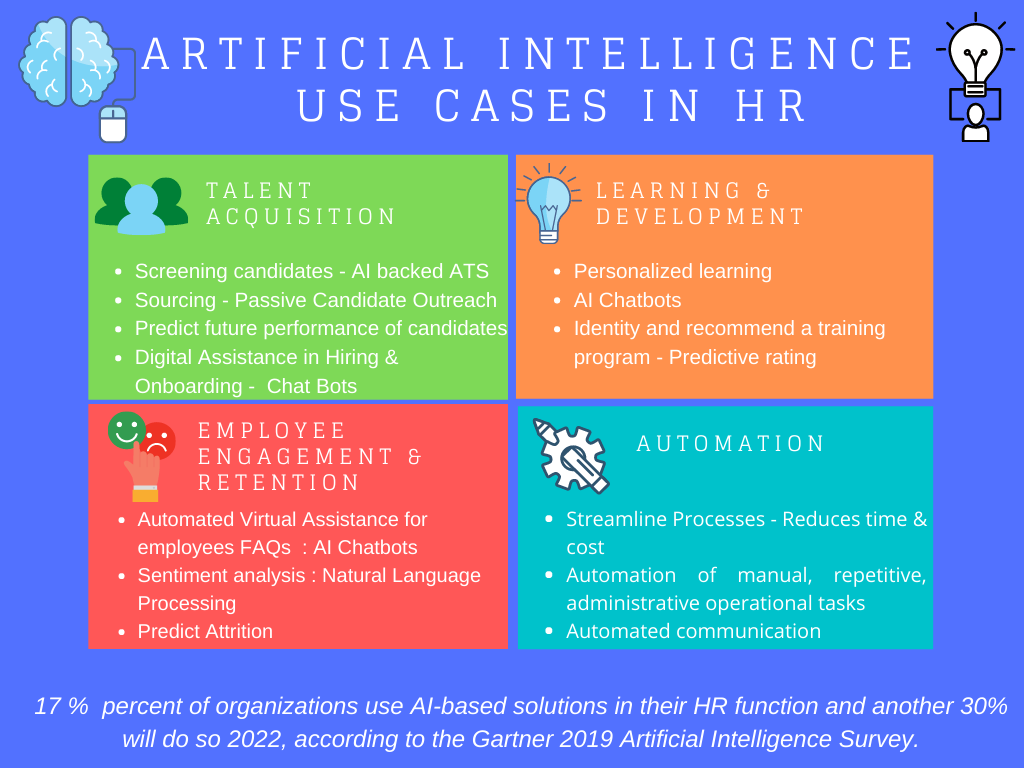
The integration of Artificial Intelligence (AI) and Machine Learning (ML) into HR software is set to revolutionize how small businesses manage their human capital. These technologies will move beyond simple automation to offer predictive analytics and intelligent insights, transforming routine HR tasks into strategic opportunities. For small businesses, this means accessing powerful capabilities previously only available to larger corporations.AI and ML will power a new generation of HR tools capable of analyzing vast amounts of data to identify patterns and predict future outcomes.
For instance, predictive analytics can help in forecasting employee turnover by identifying risk factors early on, allowing HR managers to intervene proactively with retention strategies. Similarly, AI-driven recruitment tools can sift through applicant pools more efficiently, identifying the best-fit candidates based on skills, experience, and cultural alignment, thereby reducing time-to-hire and improving quality of hire. Machine learning algorithms can also personalize learning and development pathways for employees, suggesting relevant training modules based on individual performance, career aspirations, and organizational needs.
This not only boosts employee skill development but also enhances engagement by showing a clear commitment to their professional growth.Consider the application of AI in performance management. Instead of annual reviews, AI can facilitate continuous feedback loops, analyzing performance data from various sources to provide real-time insights to both employees and managers. This can help in identifying areas for improvement or recognizing outstanding contributions more promptly.
Furthermore, AI-powered chatbots can handle a significant portion of routine HR inquiries, such as questions about benefits, company policies, or payroll, freeing up HR personnel to focus on more strategic initiatives. This increased efficiency is particularly valuable for small businesses where HR departments are often lean.
“AI and ML are democratizing sophisticated HR analytics, making them accessible and actionable for even the smallest businesses.”
Growing Demand for Mobile-First HR Solutions
The modern workforce is increasingly mobile, with employees expecting to access information and perform tasks conveniently from their smartphones and tablets. This trend is particularly pronounced in small businesses, where employees may work remotely, in the field, or have flexible schedules. Consequently, HR software is evolving to adopt a mobile-first approach, ensuring that essential HR functions are readily available on any device, at any time.Mobile-first HR solutions simplify common tasks such as time tracking, leave requests, accessing pay stubs, and even completing onboarding paperwork.
This ease of access not only improves employee convenience but also significantly boosts operational efficiency. For example, an employee working remotely can easily submit a leave request through a mobile app, which is then routed for approval and processed without delay. Similarly, field service technicians can clock in and out of jobs directly from their mobile devices, ensuring accurate timekeeping and payroll processing.The benefits extend to communication and engagement.
Mobile HR platforms can facilitate instant communication, push notifications for important company updates, and even host employee feedback surveys, making it easier to keep a dispersed workforce informed and connected. This is crucial for small businesses aiming to foster a strong company culture and a sense of belonging, regardless of physical location. The user interface of these mobile applications is designed for intuitive navigation, ensuring that employees of all technical skill levels can utilize them effectively.
Support for Employee Well-being and Mental Health Initiatives
As awareness around employee well-being and mental health grows, HR software is increasingly incorporating features to support these critical areas. Small businesses, often operating with limited resources, can benefit immensely from technology that helps them proactively address employee wellness. This shift recognizes that a healthy workforce is a productive and engaged workforce.HR platforms are beginning to integrate tools that facilitate wellness programs, such as tracking participation in fitness challenges, offering access to mental health resources, and providing anonymous feedback channels for employees to express concerns.
Some advanced solutions are even incorporating AI to identify potential signs of burnout or stress through anonymized communication patterns, alerting HR to offer support. For instance, an HR system might flag a trend of increased overtime requests or decreased engagement in team activities, prompting a manager or HR representative to check in with the affected individuals.Furthermore, HR software can help in managing flexible work arrangements, which are often key to supporting employee well-being.
Features that facilitate the management of remote work policies, flexible hours, and compressed workweeks can be integrated into the platform. This allows small businesses to offer a better work-life balance, which is a significant factor in employee satisfaction and retention. The ability to easily access and manage these flexible options through a unified HR system makes them more practical to implement and sustain.
Potential for Greater Personalization and Tailored Employee Experiences
The future of HR software for small businesses lies in its ability to deliver highly personalized experiences for each employee. Moving beyond a one-size-fits-all approach, advanced HR technology will leverage data to tailor interactions, development opportunities, and even benefits to individual needs and preferences. This personalization is key to enhancing employee engagement, fostering loyalty, and maximizing individual potential.This level of personalization can manifest in various ways.
For example, learning and development modules can be dynamically recommended based on an employee’s role, performance history, and stated career goals. Performance feedback systems can be customized to provide targeted coaching and development plans. Even onboarding processes can be adapted to an individual’s background and learning style, ensuring a smoother and more effective integration into the company.Imagine an HR platform that offers a personalized dashboard for each employee, highlighting relevant company news, upcoming training opportunities aligned with their career path, and even suggested wellness activities based on their past engagement.
Benefits administration could also become more personalized, allowing employees to select from a menu of benefits that best suit their life stage and individual needs, all managed through the HR system. This tailored approach not only makes employees feel valued but also empowers them to take ownership of their professional journey.
Emerging Role in Fostering Diversity, Equity, and Inclusion (DEI)
HR software is poised to play a more significant role in helping small businesses cultivate diverse, equitable, and inclusive workplace cultures. As DEI becomes a critical business imperative, technology will offer tools to support these efforts more effectively and systematically. For small companies, this means having accessible means to build a more representative and fair environment.AI-powered recruitment tools can be designed to mitigate unconscious bias in the hiring process by anonymizing resumes and focusing on skills and qualifications.
Analytics within HR software can help track diversity metrics across different stages of the employee lifecycle, from hiring and promotion to retention, identifying potential disparities that need addressing. For example, an HR system might reveal that women are underrepresented in leadership roles or that certain demographic groups have lower retention rates, prompting targeted interventions.Furthermore, HR platforms can facilitate the implementation and management of DEI training programs, track employee participation, and gather feedback on their effectiveness.
They can also support the creation and management of employee resource groups (ERGs) or affinity groups, providing a platform for employees to connect and advocate for specific interests. By providing data-driven insights and streamlined processes, HR software empowers small businesses to move beyond good intentions to tangible progress in building a truly inclusive workplace where everyone feels a sense of belonging and has an equal opportunity to succeed.
Conclusion
In essence, the journey of adopting HR software for small companies is a strategic evolution towards more efficient, engaging, and compliant operations. By understanding the fundamental drivers, identifying essential features, navigating the market, planning implementation carefully, and considering future trends, small businesses can unlock the full potential of HR technology. This empowers them to not only manage their workforce effectively but also to cultivate a thriving environment that boosts employee satisfaction, retention, and overall business success.
The ongoing advancements in AI and mobile solutions promise even more tailored and impactful HR experiences, ensuring that HR software remains a cornerstone of growth for small enterprises.
FAQ Explained
What is the average cost of HR software for a small company?
The cost varies widely based on features, number of employees, and vendor. Many providers offer tiered pricing, starting from as low as $20-$50 per employee per month for basic packages, with more comprehensive solutions costing significantly more.
Can HR software help with legal compliance for small businesses?
Yes, reputable HR software often includes features to help with compliance regarding labor laws, payroll taxes, and record-keeping, reducing the risk of penalties. However, it’s always advisable to consult with legal professionals.
How long does it typically take to implement HR software in a small business?
Implementation timelines can range from a few weeks to several months, depending on the complexity of the software, the amount of data to migrate, and the level of customization required. Thorough planning and employee training are crucial for a smooth transition.
Is HR software only for companies with many employees?
No, HR software is increasingly beneficial for small companies with even a handful of employees. It helps professionalize HR functions, saves time, and ensures consistency, regardless of team size.
What kind of support can I expect from an HR software vendor?
Support typically includes onboarding assistance, training materials, technical support via phone, email, or chat, and sometimes dedicated account managers, especially for higher-tier plans.