HRIS small business sets the stage for this enthralling narrative, offering readers a glimpse into a story that is rich in detail with casual formal language style and brimming with originality from the outset.
This exploration delves into the foundational purpose and practical implementation of Human Resources Information Systems (HRIS) tailored for small businesses. We will uncover how these systems streamline operations, enhance employee engagement, and pave the way for future growth, even within resource-constrained environments. From understanding core functions and initial benefits to navigating selection, security, and phased rollouts, this guide provides a comprehensive overview.
Furthermore, we will demonstrate the tangible impact of HRIS on productivity and employee satisfaction, examining how to empower employees and inform management decisions. Finally, we’ll look ahead at the evolving landscape and scalability considerations for small businesses embracing HRIS technology.
Understanding the foundational purpose of human resources information systems for burgeoning enterprises.
For any small business embarking on its journey, the effective management of its most valuable asset – its people – is paramount. This is where a Human Resources Information System (HRIS) steps in, acting as a digital backbone for crucial HR functions. At its core, an HRIS is designed to centralize, organize, and automate various human resources processes, transforming them from manual, time-consuming tasks into efficient, data-driven operations.
For a burgeoning enterprise, this foundational purpose translates into tangible benefits that can significantly impact growth and sustainability. It’s about moving beyond spreadsheets and paper files to a more sophisticated, yet accessible, system that supports strategic decision-making and operational excellence from the outset.The core functions of an HRIS for a new small business revolve around establishing a robust framework for employee management.
Initially, it provides a centralized database for all employee information, including personal details, contact information, emergency contacts, and employment history. This single source of truth eliminates data silos and ensures accuracy, which is vital for compliance and operational efficiency. Beyond basic record-keeping, an HRIS often includes functionalities for payroll processing, leave management, and performance tracking. For a startup, automating payroll can be a game-changer, reducing the risk of errors and ensuring timely payments, which is critical for employee morale and retention.
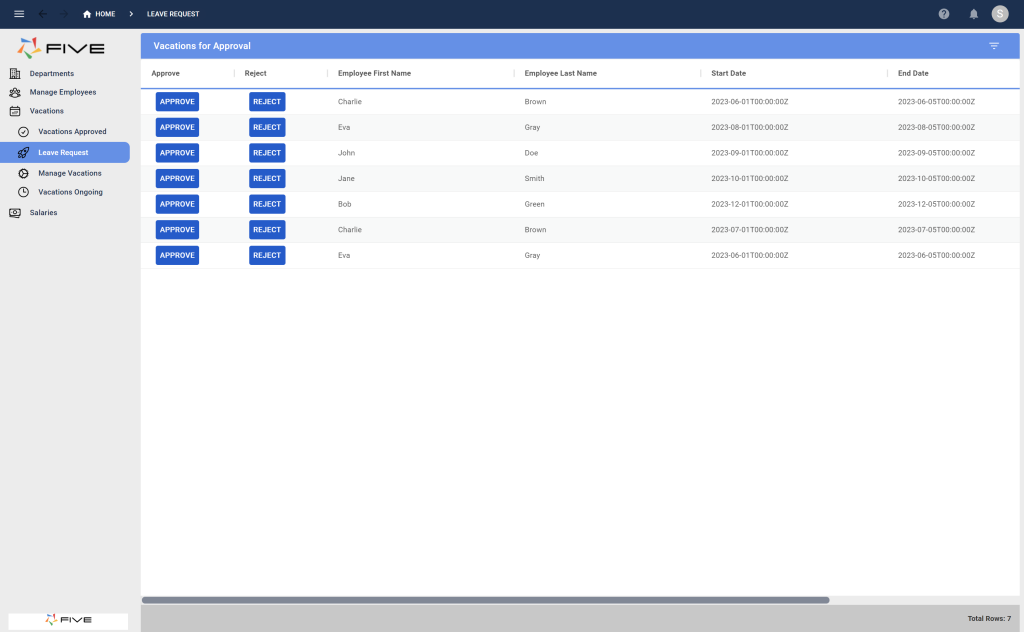
Similarly, managing employee leave requests and approvals through a system streamlines operations and provides clear visibility into workforce availability. Performance tracking modules, even at a basic level, allow for the documentation of employee contributions, setting the stage for future development and recognition. The initial benefits are clear: increased efficiency, reduced administrative burden, improved data accuracy, and enhanced compliance. By offloading repetitive tasks to an HRIS, founders and early managers can dedicate more time to strategic initiatives, product development, and customer acquisition, which are critical for survival and growth in the early stages.
Streamlining the onboarding process for new hires in a compact organizational setting.
The onboarding process is a critical first impression for any new employee, and for a small business, it can be a significant undertaking with limited resources. An HRIS dramatically streamlines this process by providing a structured, digital pathway for new hires to integrate into the company. From the moment an offer is accepted, the HRIS can initiate a series of automated actions.
For instance, new hire information can be captured directly into the system, triggering the generation of necessary employment contracts and tax forms. Instead of manual distribution and collection of these documents, new employees can often access and complete them electronically through a secure portal, a process that is both efficient and ensures data accuracy. This digital approach significantly reduces the administrative burden on the HR team or the individuals responsible for onboarding, freeing them up to focus on more strategic aspects of welcoming the new team member.Furthermore, an HRIS can facilitate the distribution of essential company information and policies.
New hires can be directed to a central repository within the HRIS where they can access employee handbooks, company policies, and training materials. This ensures that all new employees receive consistent and comprehensive information, regardless of who is conducting their onboarding. Beyond administrative tasks, an HRIS can also be used to set up initial training schedules and assign mentors or buddies, creating a more integrated and supportive onboarding experience.
For example, a small tech startup might use its HRIS to automatically enroll new developers in introductory training modules and assign them a senior developer as a mentor for their first few weeks. This structured approach not only accelerates the time-to-productivity for new hires but also fosters a sense of belonging and engagement from the outset. The ability to track the progress of onboarding tasks within the HRIS provides valuable insights, allowing for continuous improvement of the process and ensuring that no critical steps are missed, thereby setting new employees up for success and contributing to the overall stability and growth of the nascent organization.
Primary pain points faced in managing employee data before implementing an HRIS.
Before the advent of a dedicated Human Resources Information System, small businesses typically grapple with a myriad of challenges when it comes to managing employee data. One of the most significant pain points is the sheer lack of centralization. Employee information is often scattered across disparate sources – physical filing cabinets, individual computer hard drives, email inboxes, and even personal notebooks.
This fragmentation leads to data redundancy, inconsistencies, and a high probability of critical information being lost or inaccessible when needed. Imagine a scenario where an employee’s emergency contact details are stored in an old spreadsheet on a forgotten laptop, and during a critical situation, that information cannot be retrieved. This is a common and dangerous consequence of uncentralized data.Another major challenge is the manual nature of data entry and updates.
Every piece of employee information, from a change in address to a promotion, requires manual input. This process is not only time-consuming but also highly susceptible to human error. Typographical mistakes, missed updates, or incorrect data entry can have cascading effects, impacting payroll, benefits administration, and even legal compliance. For instance, an incorrect social security number entered manually can lead to significant payroll issues and potential penalties.
Furthermore, generating reports becomes an arduous task. Compiling data for audits, HR metrics, or workforce planning often involves manually sifting through various documents and spreadsheets, a process that can take days or even weeks, diverting valuable time and resources away from core business activities. Security is also a significant concern. Sensitive employee data stored in non-secure formats or on individual devices is vulnerable to unauthorized access, data breaches, and privacy violations.
The lack of robust security protocols in manual systems makes small businesses prime targets for data theft, which can result in severe reputational damage and legal repercussions.
Conceptual framework for essential modules in an entry-level HRIS for a small operation.
Designing an entry-level HRIS for a small operation requires a focus on core functionalities that address immediate needs without overwhelming the user or the budget. The conceptual framework should prioritize modules that directly impact efficiency, compliance, and employee management. At the heart of this framework lies the Employee Database Module. This is the foundational element, designed to securely store all essential employee information, including personal details, contact information, employment history, job titles, and reporting structures.
It should allow for easy data entry, updating, and retrieval, serving as the single source of truth for all employee-related data. This module is crucial for basic record-keeping and for providing a clear overview of the workforce.Complementing the employee database is the Payroll and Compensation Module. For a small business, accurate and timely payroll processing is non-negotiable. This module should automate salary calculations, tax deductions, and other statutory withholdings.
It should be capable of handling different pay frequencies and direct deposit setups. Furthermore, it should integrate with the employee database to ensure that compensation data is always up-to-date. Another critical component is the Leave and Attendance Management Module. This module streamlines the process of requesting, approving, and tracking employee leave (such as vacation, sick leave, and personal days). It provides visibility into employee availability, helps prevent scheduling conflicts, and ensures compliance with labor laws regarding leave entitlements.
Automated tracking of attendance, whether through simple clock-in/clock-out features or integrations with time-tracking devices, further enhances accuracy and reduces manual reconciliation efforts.Finally, an essential module for an entry-level HRIS is the Document Management and Compliance Module. This module allows for the secure storage and organization of important employee documents, such as employment contracts, performance reviews, and policy acknowledgments. It should also facilitate the generation of standard HR documents and ensure that the business remains compliant with relevant labor laws and regulations by providing templates and reminders for critical compliance tasks.
For instance, it might include features to track visa expiry dates or ensure that all employees have signed their confidentiality agreements. This module acts as a digital filing cabinet, ensuring that critical paperwork is organized, accessible, and legally sound, thereby mitigating risks for the burgeoning enterprise. These core modules, when integrated, form a robust yet manageable HRIS that can significantly enhance operational efficiency and support the growth of a small business.
Exploring the practical implementation pathways for human resources information systems within resource-constrained environments.

Implementing an HRIS in a small business, especially one with limited resources, might seem daunting. However, with a strategic approach, it’s entirely achievable and can yield significant benefits. This section Artikels how to navigate the selection, implementation, and integration of an HRIS, ensuring it aligns with your business’s unique constraints and objectives. The focus will be on practical, actionable steps that small business owners can take to leverage HRIS technology effectively without breaking the bank or overwhelming their team.The journey of adopting an HRIS for a resource-constrained small business is less about acquiring the most feature-rich and expensive system, and more about identifying a solution that addresses core needs efficiently and affordably.
It involves careful planning, a clear understanding of priorities, and a willingness to adapt. By breaking down the process into manageable steps, even the smallest of enterprises can successfully integrate HR technology to streamline operations and enhance employee management.
Selecting the most appropriate HRIS solution for specific needs
Choosing the right HRIS is a critical first step, and for a small business, it requires a deliberate and structured approach. The goal is to find a system that offers the most value for the investment, focusing on functionalities that directly impact efficiency and compliance. This process involves understanding your current HR pain points, defining essential features, and evaluating vendors based on affordability and scalability.Here’s a step-by-step guide to help a small business owner select the most appropriate HRIS solution:
- Identify Core HR Needs and Pain Points: Before looking at any software, sit down and list the biggest challenges you face in managing your employees. Are you struggling with payroll accuracy, tracking leave requests, onboarding new hires efficiently, or ensuring compliance with labor laws? Prioritize these needs. For example, if manual payroll processing is a constant source of errors and takes up too much time, then a robust payroll module should be a top priority.
If employee onboarding is chaotic and inconsistent, a system that offers digital onboarding workflows will be invaluable.
- Define Essential Features: Based on your identified needs, create a checklist of “must-have” features. For a small business, this might include:
- Employee database management (contact info, job roles, history)
- Time and attendance tracking
- Leave management (requesting, approving, tracking)
- Payroll processing integration or capabilities
- Basic onboarding/offboarding workflows
- Document management (storing contracts, policies)
- Reporting and analytics (basic HR metrics)
Consider “nice-to-have” features too, but keep the focus on what’s essential to avoid overspending on functionalities you won’t use.
- Research HRIS Options for Small Businesses: Look for HRIS providers that specifically cater to small and medium-sized businesses (SMBs). These solutions are often more affordable, user-friendly, and designed with simpler workflows in mind. Many offer tiered pricing based on the number of employees, which is ideal for growing businesses. Explore cloud-based (SaaS) solutions, as they typically require less upfront investment in hardware and IT infrastructure, and often have subscription models that fit a small business budget.
- Evaluate Vendor Reputation and Support: Don’t just look at features and price. Research vendor reviews, testimonials, and case studies from similar-sized businesses. Pay close attention to the quality and availability of customer support. For a small business without a dedicated IT team, responsive and helpful support is crucial. Check if they offer training resources and documentation.
- Request Demos and Free Trials: Once you’ve shortlisted a few vendors, request personalized demos. This allows you to see the system in action and ask specific questions related to your business processes. If possible, take advantage of free trials. This hands-on experience will give you a real feel for the system’s usability and whether it truly meets your needs. Involve key team members who will be using the system in these trials.
- Consider Scalability and Future Growth: Even if you’re small now, you likely have growth aspirations. Choose an HRIS that can scale with your business. Can you easily add more employees? Are there advanced modules you can upgrade to later as your HR needs become more complex? A system that can grow with you will save you the hassle and cost of switching vendors down the line.
- Analyze Total Cost of Ownership (TCO): Look beyond the monthly subscription fee. Understand all associated costs, including implementation fees, training costs, potential integration fees with other software, and any charges for additional support or features. Compare the TCO of different solutions to get a true picture of affordability.
- Check for Compliance Features: Ensure the HRIS helps you stay compliant with relevant labor laws and regulations in your region. This might include features for tracking overtime, managing different employee types (full-time, part-time, contractor), and storing necessary HR documentation securely.
By following these steps, a small business owner can make an informed decision, selecting an HRIS that not only meets current needs but also supports future growth and operational efficiency.
Critical factors to consider regarding data security and privacy when migrating employee information to an HRIS.
Migrating sensitive employee information to a new HRIS is a process that demands the utmost attention to data security and privacy. In today’s digital landscape, breaches can have devastating consequences, from financial penalties and legal repercussions to severe damage to your company’s reputation and employee trust. For small businesses, which may have fewer resources dedicated to cybersecurity, this aspect is even more critical.
It’s not just about compliance; it’s about safeguarding the personal data entrusted to you by your employees.Here are the critical factors to consider regarding data security and privacy when migrating employee information to an HRIS:
- Vendor Security Practices and Certifications: The HRIS provider you choose must have robust security measures in place. Look for vendors that comply with industry standards like ISO 27001, SOC 2, or GDPR (if applicable to your employee base). These certifications indicate that the vendor has undergone rigorous audits and has implemented strong policies and procedures for data protection. Inquire about their data encryption methods (both in transit and at rest), their physical security measures for data centers, and their protocols for handling security incidents.
A vendor that is transparent about its security posture is a good sign.
- Data Encryption: Ensure that all employee data is encrypted, both when it’s being transferred from your current systems to the HRIS (in transit) and when it’s stored within the HRIS (at rest). Strong encryption makes data unreadable to unauthorized parties, even if it were somehow intercepted or accessed. For instance, Transport Layer Security (TLS) is commonly used for data in transit, while AES-256 is a standard for data at rest.
- Access Controls and User Permissions: The HRIS should allow for granular control over who can access what data. Implement a principle of least privilege, meaning employees should only have access to the information they absolutely need to perform their job functions. For example, a payroll administrator might need access to salary information, but a regular employee should not. Regularly review and update these permissions as roles change within the company.
- Data Backup and Disaster Recovery: Understand the vendor’s backup and disaster recovery plan. What happens if their servers fail or a natural disaster strikes? A reliable HRIS provider will have regular, secure backups of your data and a plan to restore operations quickly. This ensures business continuity and prevents permanent data loss.
- Compliance with Data Privacy Regulations: Depending on your location and the location of your employees, you’ll need to comply with various data privacy laws, such as GDPR (General Data Protection Regulation) in Europe, CCPA (California Consumer Privacy Act) in the US, or similar regulations elsewhere. The HRIS should support your compliance efforts by providing features for data subject rights (like access, rectification, and erasure requests), consent management, and data retention policies.
- Employee Consent and Transparency: Inform your employees about what data is being collected, why it’s being collected, how it will be used, and who will have access to it. Obtain their consent where required by law. Transparency builds trust and is a fundamental aspect of data privacy. The HRIS can help manage consent records.
- Secure Data Migration Process: When you migrate data, ensure the process itself is secure. This might involve using secure file transfer protocols (SFTP), working with the vendor to ensure their migration tools are secure, and thoroughly testing the migrated data for accuracy and integrity before fully decommissioning old systems. Consider anonymizing or pseudonymizing data where possible during the migration if full access isn’t immediately required.
- Regular Security Audits and Updates: Stay informed about the HRIS vendor’s security updates and patches. Implement these promptly. If your business has internal audit capabilities, conduct periodic reviews of your HRIS security settings and access logs.
By meticulously addressing these security and privacy considerations, small businesses can migrate employee data to an HRIS with confidence, knowing that they are protecting their employees’ information and maintaining compliance.
Potential integration challenges with existing small business software and how to overcome them.
Integrating a new HRIS with your existing suite of small business software can unlock significant efficiencies, but it also presents potential challenges. Small businesses often rely on a patchwork of different tools for accounting, project management, customer relationship management (CRM), and more. Ensuring these systems can “talk” to each other seamlessly is crucial for data consistency and avoiding manual double-entry, which negates many of the benefits of an HRIS.Here are potential integration challenges and strategies to overcome them:
- Incompatibility of Software Platforms: The most common challenge is that your existing software might not have native integrations with the HRIS you choose, or vice versa. For example, your accounting software might be an older, on-premise solution, while your chosen HRIS is a modern cloud-based platform.
- Overcoming Strategy:
- APIs and Webhooks: Look for HRIS solutions that offer robust Application Programming Interfaces (APIs) and webhooks.
APIs allow different software applications to communicate with each other. Webhooks enable real-time data exchange when specific events occur. If both your existing software and the HRIS have APIs, an IT professional or a third-party integration specialist can build custom connections.
- Middleware or Integration Platforms: Consider using integration platforms as a service (iPaaS) like Zapier, Integromat (now Make), or Workato. These platforms act as intermediaries, connecting various applications through pre-built connectors or allowing for custom workflows. They can significantly simplify the integration process without requiring extensive coding knowledge.
- Data Export/Import Workflows: As a fallback, establish regular, automated (if possible) data export and import processes. For instance, you might export payroll data from the HRIS and import it into your accounting software. While not as seamless as direct integration, this can still reduce manual effort and errors compared to completely manual data entry.
- APIs and Webhooks: Look for HRIS solutions that offer robust Application Programming Interfaces (APIs) and webhooks.
- Overcoming Strategy:
- Data Mapping and Standardization Issues: Even if systems can connect, ensuring that data fields are correctly mapped is vital. For example, “Employee ID” in your HRIS might be called “Staff Number” in your payroll system. Inconsistent data formats or definitions can lead to errors.
- Overcoming Strategy:
- Thorough Data Audit and Mapping: Before integration, conduct a detailed audit of data fields across all relevant systems. Create a clear data mapping document that specifies how each field in one system corresponds to a field in another.
- Data Cleansing: Cleanse your existing data before migration and integration. Remove duplicates, correct inaccuracies, and standardize formats (e.g., date formats, address structures). This will make mapping much easier and reduce the risk of errors.
- Use of Unique Identifiers: Ensure that a unique identifier (like an employee ID) is consistently used across all integrated systems. This is crucial for accurate record matching.
- Overcoming Strategy:
- Cost of Integration: Developing custom integrations or subscribing to iPaaS solutions can incur additional costs, which might be a concern for resource-constrained businesses.
- Overcoming Strategy:
- Prioritize Integrations: Focus on integrating only the most critical systems first. For example, integrating HRIS with payroll and accounting might be a higher priority than integrating with a less frequently used CRM module.
- Leverage Pre-built Connectors: iPaaS platforms often have a library of pre-built connectors for popular applications. Using these can be more cost-effective than custom development.
- Negotiate with Vendors: Discuss integration needs with your HRIS vendor. Some may offer basic integration packages or have partnerships with integration providers that offer discounted rates.
- Overcoming Strategy:
- Technical Expertise Limitations: Small businesses may lack in-house IT expertise to manage complex integrations.
- Overcoming Strategy:
- Outsource Integration Tasks: Consider hiring freelance integration specialists or a small IT consultancy firm for the initial setup and configuration. This can be more cost-effective than hiring full-time staff.
- Choose User-Friendly Integration Tools: Opt for iPaaS solutions that are designed for ease of use, with visual workflow builders and good documentation.
- Phased Integration: Implement integrations in phases. Start with the simplest integrations and gradually move to more complex ones as your team gains confidence and expertise.
- Overcoming Strategy:
- Maintaining Integrations Over Time: Software updates from either the HRIS or your existing systems can sometimes break integrations.
- Overcoming Strategy:
- Stay Informed: Keep track of updates and release notes from all software vendors involved in integrations.
- Regular Testing: Schedule regular testing of your integrations to ensure they are still functioning correctly.
- Establish a Support Contact: Have a clear point of contact with your HRIS vendor and any iPaaS provider for support in case of integration issues.
- Overcoming Strategy:
By proactively addressing these potential integration challenges, small businesses can build a connected ecosystem of software that enhances operational efficiency and provides a unified view of employee data.
A phased rollout strategy for introducing an HRIS to a small team, minimizing disruption.
Introducing a new HRIS to a small team requires careful planning to ensure a smooth transition and minimize disruption to daily operations. A phased rollout strategy allows your team to adapt to the new system gradually, learn its functionalities, and provide feedback, leading to better adoption and a more successful implementation. This approach is particularly beneficial for resource-constrained businesses where the impact of a poorly managed rollout can be significant.Here’s a phased rollout strategy designed to introduce an HRIS to a small team effectively:
- Phase 1: Foundation and Core Data Migration (Weeks 1-4)
- Objective: Establish the HRIS infrastructure, migrate essential employee data, and ensure basic system functionality.
- Key Activities:
- Finalize System Configuration: Work with your chosen HRIS vendor to set up the core system based on your business needs. This includes configuring organizational structure, job roles, and basic HR policies.
- Data Cleansing and Preparation: Dedicate time to clean and standardize all existing employee data (personal information, employment history, contact details) from spreadsheets or previous systems. This is a crucial step for accurate migration.
- Secure Data Migration: Migrate the cleaned employee data into the HRIS. Perform thorough checks to ensure data accuracy and completeness.
- Initial User Training (Admin/HR): Provide in-depth training to the primary HR administrator(s) or the business owner who will manage the system. They need to understand how to navigate, manage data, and generate basic reports.
- Testing: Conduct internal testing of core functionalities like employee profile viewing, basic leave request initiation, and document access.
- Communication: Inform the team about the upcoming changes, the benefits of the new HRIS, and the timeline for the rollout. Emphasize that this is a gradual process.
- Phase 2: Introducing Key Employee Self-Service Features (Weeks 5-8)
- Objective: Empower employees to manage their own basic HR information and requests.
- Key Activities:
- Rollout Employee Self-Service (ESS) Portal: Introduce employees to the ESS portal where they can view and update their personal information (e.g., contact details, emergency contacts), access pay stubs, and view their leave balances.
- Training on ESS: Conduct short, focused training sessions or provide clear, simple guides (videos, FAQs) on how employees can use the ESS features.
- Leave Request and Approval Workflow: Implement the leave request and approval process through the HRIS. Train managers on how to approve or deny requests within the system.
- Feedback Collection: Actively solicit feedback from employees on their experience with the ESS portal and the leave management system.
- Communication: Clearly communicate the launch of ESS, the benefits of self-service, and how to access training materials.
- Phase 3: Expanding Functionality and Integration (Weeks 9-12)
- Objective: Introduce more advanced features and integrate with other essential business systems.
- Key Activities:
- Time and Attendance Tracking: If applicable, roll out time and attendance tracking features. Train employees on clocking in/out and managers on reviewing timesheets.
- Onboarding/Offboarding Workflows: Implement digital onboarding checklists for new hires and streamline offboarding processes.
- Payroll Integration/Processing: If not already done, integrate the HRIS with your payroll system or begin using the HRIS’s payroll module. Thoroughly test payroll runs.
- Reporting and Analytics: Train the HR administrator(s) on generating key HR reports (e.g., headcount, turnover, leave utilization).
- Integration Testing: If integrations with other software (e.g., accounting) were planned, ensure they are functioning correctly.
- Communication: Announce the availability of new features and explain their benefits.
- Phase 4: Optimization and Ongoing Support (Ongoing)
- Objective: Refine processes, provide continuous support, and explore further system optimization.
- Key Activities:
- Gather Feedback and Iterate: Continuously collect feedback from employees and managers. Use this to make adjustments to workflows, system configurations, and training materials.
- Advanced Training: Offer optional advanced training sessions for specific features or user groups as needed.
- Regular System Audits: Periodically review system usage, data accuracy, and security settings.
- Stay Updated: Keep abreast of new features or updates released by the HRIS vendor and evaluate their relevance to your business.
- Communication: Maintain open lines of communication for support requests and updates.
This phased approach ensures that your small team can adapt to the HRIS at a comfortable pace, minimizing resistance and maximizing the benefits derived from the new system. It allows for learning and adjustments at each stage, leading to a more robust and user-friendly HR management system for your business.
Demonstrating the Tangible Impact of Human Resources Information Systems on Employee Engagement and Productivity in Smaller Companies.

Implementing an HRIS in a small business is far more than just adopting new technology; it’s a strategic move that directly influences how employees feel about their jobs and how effectively they perform. For burgeoning enterprises, where every team member’s contribution is critical, enhancing engagement and productivity isn’t a luxury, it’s a necessity for survival and growth. An HRIS acts as a central nervous system, streamlining HR processes and, in doing so, creating a more positive and efficient work environment that empowers individuals and, consequently, the entire organization.The ripple effect of a well-implemented HRIS touches every aspect of the employee lifecycle, from onboarding to ongoing development.
By automating routine tasks and providing accessible information, it frees up both employees and HR personnel to focus on more strategic and value-adding activities. This shift not only boosts overall efficiency but also fosters a sense of empowerment and trust, which are fundamental drivers of engagement. When employees feel supported, informed, and valued, their commitment and productivity naturally increase, creating a virtuous cycle of success for the small business.
Employee Self-Service Empowerment for Personal Information and Benefits Management
A cornerstone of HRIS impact on employee engagement lies in its self-service capabilities. For small businesses, where HR departments are often lean, empowering employees to manage their own information reduces administrative burden and fosters a sense of autonomy and trust. This feature allows employees to access and update personal details, such as contact information, emergency contacts, and bank details, directly through a secure online portal.
This eliminates the need for paper forms, manual data entry by HR, and the potential for errors or delays, ensuring that crucial information is always current and accurate.Furthermore, the self-service portal extends to benefits management, a critical component of employee satisfaction. Employees can easily review their available benefits packages, enroll in new plans, make changes during open enrollment periods, and even access important documents like benefit summaries and enrollment confirmations.
This transparency and accessibility demystify the often-complex world of employee benefits, allowing individuals to make informed decisions that best suit their needs and those of their families. Imagine an employee needing to quickly check their dental coverage before an appointment; with an HRIS self-service portal, this information is just a few clicks away, rather than requiring a call to HR or sifting through piles of paperwork.
This immediate access to vital information reduces frustration and saves valuable time, contributing significantly to a positive employee experience.The impact on engagement is profound. When employees are given the tools and the freedom to manage aspects of their employment directly, it signals that their time and autonomy are valued. This ownership fosters a sense of responsibility and reduces the feeling of being a passive recipient of company policies.
It also contributes to a more efficient workflow; for instance, a new employee can complete their onboarding paperwork and benefit selections independently, allowing them to become productive members of the team much faster. This not only benefits the employee but also the business by accelerating the time-to-contribution. The ability to access pay stubs, tax forms, and request time off through the same portal further consolidates the employee’s experience, making HR processes less of a hurdle and more of an integrated, user-friendly system.
This empowerment, driven by self-service HRIS features, is a direct pathway to increased employee satisfaction and a more engaged workforce.
Informing Better Management Decision-Making Through Accurate and Accessible Employee Data
The value of an HRIS in a small business extends beyond employee convenience; it’s a powerful engine for informed management decision-making. Accurate and accessible employee data forms the bedrock of strategic human capital management. Without a centralized, reliable system, decisions regarding staffing, training, compensation, and workforce planning are often based on anecdotal evidence, outdated spreadsheets, or guesswork. An HRIS provides a single source of truth, consolidating critical information such as employee demographics, tenure, skills, performance history, training records, and compensation details.
This comprehensive view allows managers to move beyond intuition and make data-driven choices that align with business objectives.For example, consider a small manufacturing company looking to improve its production efficiency. By analyzing HRIS data, management can identify departments or teams with high employee turnover, correlate this with specific training gaps or compensation levels, and then implement targeted interventions. They might discover that a particular skill set is in high demand but underrepresented, prompting a focused recruitment or training initiative.
Similarly, if performance data reveals a consistent dip in productivity after a certain period of employment, management can investigate the underlying causes, such as the need for refresher training or better onboarding support, rather than making broad, ineffective adjustments. The ability to generate reports on key HR metrics, such as average time to hire, cost per hire, employee retention rates by department, and absenteeism patterns, provides invaluable insights that can highlight areas of strength to be leveraged and areas of weakness to be addressed proactively.Moreover, an HRIS facilitates better succession planning and talent management.
By tracking employee skills, career aspirations, and performance, managers can identify high-potential individuals and develop tailored development plans to prepare them for future leadership roles. This proactive approach ensures business continuity and reduces the risk associated with key personnel departures. In resource-constrained environments, where every hire and every employee’s performance is magnified, having this level of data accuracy and accessibility is not just beneficial, it’s transformative.
It allows small businesses to optimize their most valuable asset – their people – ensuring that investments in training, development, and compensation are strategic and yield the greatest possible return, ultimately driving productivity and profitability.
Comparative Employee Experience: With and Without an Effective HRIS
The difference in employee experience between a small business with an effective HRIS and one without is stark, impacting satisfaction and efficiency profoundly. In a business operating without a dedicated HRIS, employees often face a fragmented and cumbersome experience. Onboarding can be a lengthy and confusing process, involving stacks of paper forms, multiple meetings to get information, and a general sense of disorganization.
Employees might struggle to find answers to basic questions about their pay, benefits, or company policies, leading to frustration and a feeling of being undervalued. Requesting time off might involve verbal agreements, emails that get lost, or physical sign-up sheets, all of which are prone to errors and can create inter-employee conflicts or operational disruptions. Performance reviews, if they happen at all, are often ad-hoc, lacking standardized criteria, and without clear links to development opportunities, leaving employees unsure of their progress or future within the company.
This environment can breed inefficiency, with employees spending valuable time chasing down information or dealing with administrative roadblocks, rather than focusing on their core responsibilities.Conversely, a small business that has embraced an effective HRIS offers a significantly smoother and more empowering employee journey. From the moment of hire, onboarding is streamlined through online portals where new hires can complete necessary paperwork, review company policies, and learn about their benefits at their own pace.
This digital-first approach instills confidence and allows them to integrate into the team more quickly. Employees have easy access to a self-service portal where they can view pay stubs, update personal information, manage benefit selections, and submit time-off requests with just a few clicks. This transparency and control over personal administrative tasks significantly reduce stress and save time. Performance management becomes more structured and objective, with clear goal setting, regular feedback mechanisms, and accessible records of achievements.
This clarity helps employees understand expectations, receive constructive guidance, and see a clear path for professional growth.The overall satisfaction levels in a business with an HRIS are typically higher because employees feel more respected, informed, and supported. They perceive the company as organized and forward-thinking, which fosters trust and loyalty. The efficiency gains are also palpable; employees spend less time on administrative tasks and more time on productive work, leading to higher output and a greater sense of accomplishment.
For instance, a quick check of vacation balance or submission of an expense report via the HRIS is a minor convenience that collectively contributes to a less frustrating and more positive daily work experience. In essence, an HRIS transforms the often-tedious aspects of employment into user-friendly processes, allowing employees to focus on what they do best, leading to increased engagement, satisfaction, and ultimately, better business outcomes.
Scenario: Facilitating Effective Performance Reviews and Professional Development Planning
Consider a small marketing agency, “Creative Spark,” with 30 employees. Before implementing an HRIS, their performance review process was a yearly ritual marked by informal chats, scattered notes, and a general lack of standardization. Managers often struggled to recall specific achievements or areas for improvement from the past year, leading to subjective evaluations and employee dissatisfaction. Professional development was largely reactive, with training sought only when a critical skill gap became unmanageable.With the introduction of an HRIS, Creative Spark transformed this landscape.
The system allows managers to set clear, measurable goals for each employee at the beginning of the performance cycle, directly linked to the agency’s overall objectives. Throughout the year, both managers and employees can log achievements, ongoing projects, and any challenges encountered directly into the HRIS. This creates a continuous feedback loop, eliminating the need to recall information from months past.
When the annual review period arrives, the manager has a comprehensive, documented history of the employee’s performance, including qualitative feedback and quantitative achievements.For example, Sarah, a graphic designer, had a goal to improve her proficiency in a new design software. Her manager, David, logged her progress throughout the year, noting her successful completion of several projects using the software and providing specific feedback on areas where she excelled and where further practice would be beneficial.
He also documented her expressed interest in learning more about animation. During Sarah’s review, David could easily access this data. He started by acknowledging her significant progress in the new software, referencing specific projects that demonstrated her enhanced skills. He then used this concrete evidence to discuss her performance rating, which was positive due to her proactive learning and contributions.
“Effective performance reviews are not about judgment, but about growth and alignment.”
Following the review, the HRIS facilitated personalized professional development planning. Based on Sarah’s demonstrated aptitude and stated interest, David, with input from Sarah, used the HRIS to identify relevant online courses and workshops for animation. The system allowed them to allocate a specific budget for her training and set milestones for completion. This proactive approach ensured that Sarah’s development was aligned with her career aspirations and the agency’s future needs, such as expanding their animation services.
The HRIS also tracks the completion of these development activities, creating a record of continuous learning that can inform future reviews and career pathing. This scenario illustrates how an HRIS moves performance management from a perfunctory task to a strategic tool for employee growth, engagement, and ultimately, enhanced productivity for the entire agency.
Navigating the Evolving Landscape of Human Resources Information Systems for Small Businesses, Considering Future Scalability
As your small business grows, so do its HR needs. What worked perfectly when you had just a handful of employees might become a bottleneck as your team expands. This section delves into how to stay ahead of the curve with HRIS, ensuring your technology supports your journey from a burgeoning enterprise to a more established player, with a keen eye on future scalability.The world of HRIS is not static; it’s a dynamic ecosystem constantly shaped by technological advancements and evolving business requirements.
For small businesses, embracing this evolution proactively is key to maintaining agility, efficiency, and a competitive edge. This means not only selecting the right HRIS today but also anticipating how it can adapt and grow alongside your company.
Cloud-Based HRIS: Flexibility and Cost-Effectiveness for Growth
Cloud-based HRIS solutions have become a game-changer for small businesses, offering unparalleled flexibility and significant cost-effectiveness, especially as the company scales. Unlike traditional on-premise systems that require substantial upfront investment in hardware, software licenses, and IT infrastructure, cloud solutions operate on a subscription model. This “pay-as-you-go” approach significantly reduces initial capital expenditure, making advanced HR technology accessible even to resource-constrained startups.
The inherent scalability of cloud platforms means businesses can easily add or remove users, modules, and features as their workforce size and complexity change. For instance, a small business starting with basic payroll and employee record management can seamlessly add modules for performance management, time tracking, or applicant tracking as their hiring and operational needs increase, all without needing to overhaul their entire system.
This elasticity prevents the costly disruption of migrating to a new system every few years. Furthermore, cloud providers handle all the maintenance, updates, and security, freeing up valuable internal resources that can be redirected towards core business activities. The accessibility from any device with an internet connection also supports remote and hybrid work models, which are increasingly common, fostering better employee experience and operational continuity.
Companies like Gusto and Rippling exemplify this, offering modular cloud-based HR platforms that allow small businesses to start with essential services and expand their functionality as they grow, paying only for what they use. This agile approach is crucial for navigating the unpredictable growth trajectories of many small enterprises.
Emerging HRIS Trends for Long-Term Strategic Planning
To ensure long-term strategic success, small businesses must stay informed about emerging HRIS trends that can shape their future operations. One significant trend is the increasing integration of Artificial Intelligence (AI) and Machine Learning (ML) within HRIS platforms. These technologies are moving beyond basic automation to offer predictive analytics for employee retention, personalized learning and development recommendations, and even AI-powered chatbots for instant employee support, answering FAQs about benefits, policies, or payroll.
For a growing small business, this means anticipating a future where HRIS can proactively identify flight risks among key personnel or suggest tailored training programs to address skill gaps before they become critical. Another key trend is the heightened focus on employee experience and engagement, with HRIS evolving to become central hubs for this. This includes enhanced self-service portals, robust feedback mechanisms, and tools that facilitate recognition and communication.
Imagine a small business using an HRIS that not only manages employee data but also actively promotes a positive work environment through integrated pulse surveys and peer-to-peer recognition features. Furthermore, the emphasis on data analytics and reporting is growing, with HRIS providing deeper insights into workforce trends, such as diversity metrics, performance patterns, and cost-per-hire. This allows small businesses to make data-driven decisions about talent acquisition, development, and retention strategies.
The rise of specialized HRIS modules for niche areas like compliance management, particularly in rapidly changing regulatory environments, is also critical. For example, a small business operating in multiple jurisdictions might leverage an HRIS with advanced compliance features to ensure adherence to local labor laws without needing dedicated legal staff. The continuous development of mobile-first HRIS applications is another trend, catering to a workforce that expects seamless access to HR functions on their smartphones.
This trend ensures that employees can manage their HR tasks efficiently, regardless of their location or device.
Key Indicators of Outgrowing an Initial HRIS
Several key indicators signal that a small business has outgrown its initial HRIS and needs to consider an upgrade to a more robust solution. One of the most apparent signs is the emergence of manual workarounds and data silos. If your HR team is spending excessive time exporting data from the HRIS into spreadsheets for analysis, or if critical employee information is scattered across multiple disconnected systems (e.g., payroll in one system, benefits in another, time off requests in email), it’s a strong indication that the current HRIS lacks the necessary integration and functionality.
This not only leads to inefficiency but also increases the risk of errors and compliance issues. Another critical indicator is a decline in employee engagement or satisfaction related to HR processes. If employees are struggling to access their pay stubs, update personal information, or understand their benefits through the current system, it negatively impacts their experience. For example, a small business experiencing a surge in employee complaints about the difficulty of submitting time-off requests or accessing their performance reviews suggests the HRIS is no longer user-friendly or comprehensive enough.
As your company grows, so does the complexity of your HR needs, including more intricate payroll calculations, varied benefit plans, and potentially diverse employment contracts. If your current HRIS struggles to accommodate these complexities, leading to frequent errors or requiring significant manual intervention, it’s time for an upgrade. Furthermore, a lack of adequate reporting and analytics capabilities is a major red flag.
If you cannot easily generate reports on key HR metrics such as employee turnover rates, time-to-hire, or labor costs, you are missing out on valuable insights needed for strategic decision-making. For instance, a growing small business that cannot track its recruitment funnel effectively will struggle to optimize its hiring process. Finally, persistent compliance concerns or a growing fear of regulatory penalties due to an outdated or insufficient HRIS system are clear signals that the current solution is no longer adequate for the business’s evolving needs.
Decision Tree for HRIS Investment Timing, Hris small business
This simple decision tree can help small business leaders determine when it’s time to invest in a more robust HRIS. Start by asking: “Are we experiencing significant inefficiencies in our current HR processes?”
- If the answer is “No,” continue to the next question.
- If the answer is “Yes,” proceed to evaluate the severity of these inefficiencies. Are they causing significant delays, errors, or employee frustration? If yes, consider upgrading. If no, monitor for future development.
Next, ask: “Is our current HRIS capable of accurately managing our current payroll, benefits, and employee data complexity?”
- If the answer is “Yes,” continue.
- If the answer is “No,” this is a strong indicator that an upgrade is needed. Assess the specific areas of complexity the system cannot handle.
Consider this question: “Can we easily generate essential HR reports (e.g., turnover, labor costs, headcount) from our current HRIS?”
- If the answer is “Yes,” proceed.
- If the answer is “No,” or if generating reports is a laborious, manual process, an upgrade is likely warranted to enable data-driven decision-making.
Ask yourself: “Are employees consistently expressing frustration or difficulty using our current HR system for self-service tasks (e.g., accessing pay stubs, updating information)?”
- If the answer is “No,” continue.
- If the answer is “Yes,” this points to a poor employee experience, suggesting a need for a more modern and user-friendly HRIS.
Finally, ask: “Do we anticipate significant workforce growth or organizational changes in the next 1-3 years that our current HRIS might not support?”
- If the answer is “No,” and all previous “Yes” answers point towards maintaining the current system, it may be adequate for now.
- If the answer is “Yes,” or if you answered “Yes” to any of the previous critical questions (inefficiencies, complexity, reporting, employee experience), it is time to seriously evaluate and invest in a more robust HRIS solution.
Final Conclusion: Hris Small Business
In conclusion, the strategic adoption of an HRIS is no longer a luxury but a necessity for small businesses aiming for efficiency, employee satisfaction, and sustainable growth. By understanding its core functions, carefully navigating implementation, and recognizing its impact on engagement and productivity, small businesses can leverage HRIS to overcome data management challenges and foster a more empowered workforce. As the technology evolves, staying informed about cloud-based solutions and emerging trends will ensure that small businesses can scale their HR capabilities effectively, making informed decisions about when to upgrade and invest in more robust systems.
Ultimately, an HRIS empowers small businesses to manage their most valuable asset – their people – with greater precision and foresight.
FAQ Guide
What is the primary benefit of an HRIS for a brand-new small business?
The primary benefit is the establishment of organized and accessible employee data from the outset, which prevents common early-stage administrative chaos and builds a foundation for efficient HR processes.
How can a very small business afford an HRIS?
Many HRIS providers offer tiered pricing models or entry-level packages specifically designed for small businesses, often with cloud-based solutions that reduce upfront hardware costs and offer predictable monthly expenses.
Is an HRIS necessary if I only have a few employees?
Even with a few employees, an HRIS can be beneficial for standardizing processes like onboarding, time-off requests, and payroll, saving time and reducing the likelihood of errors as the business grows.
What happens if my chosen HRIS doesn’t integrate with my existing payroll system?
You may need to explore middleware solutions for integration, consider a manual data transfer process if the volume is low, or re-evaluate your HRIS choice to find one with native integration capabilities.
How often should a small business review its HRIS needs?
A small business should review its HRIS needs at least annually, or whenever significant changes occur, such as a substantial increase in employee headcount or the introduction of new benefits programs.